




 855-720-5244
Moving Fleet Vehicles to Multiple Locations? How to Plan Your Transport Car Shipping Tips
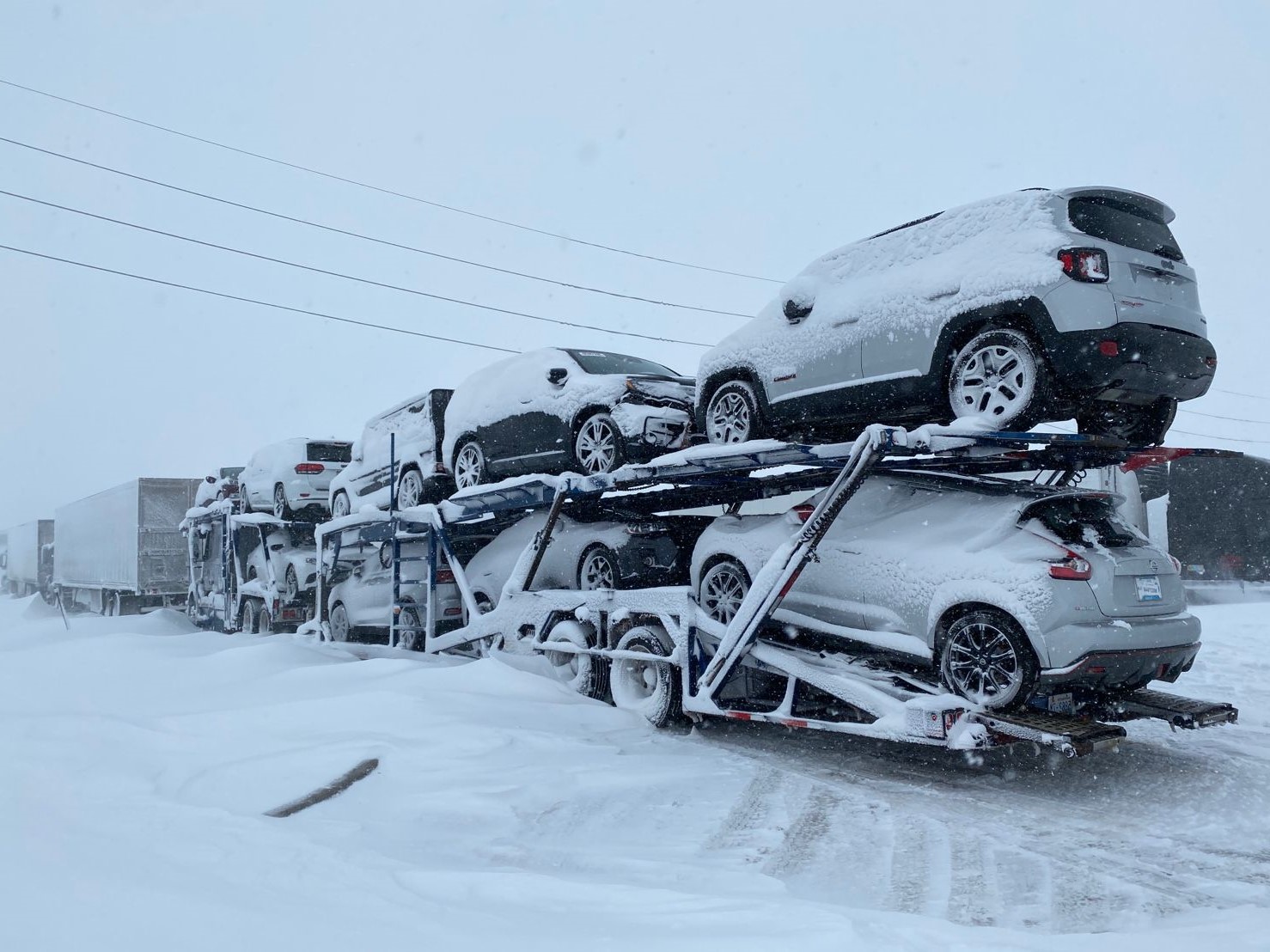
A company opens three new branches and needs two dozen service vans spread across them by the first of the month. A rental operator has too many SUVs sitting in one market and not enough in two others. A sales team is reorganized, and company cars need to come back from a dozen employee homes to one office. Each of these is a fleet move, and each one has more than one pickup or delivery address.
Moving one car is simple: one pickup, one delivery, one contact. Moving fleet vehicles to multiple locations is a logistics project. Every extra address adds a contact to coordinate, a schedule to match and a handoff that can go wrong. The good news is that a little planning up front turns a scattered set of moves into a few efficient truckloads.
Here is how to plan fleet vehicle transport to multiple locations, from the first vehicle list to the last signature.
Three Types of Multi-Location Fleet Moves
Before you ask for quotes, figure out which shape your move takes. It changes how carriers can load and route your vehicles.
One origin, many destinations
Vehicles leave a dealership, upfitter or central yard and go out to branches, job sites or employees. This is the most common pattern for a fleet rollout. Vehicles can often share a truck at pickup and then be dropped off one stop at a time along a route.
Many origins, one destination
Vehicles come in from branches, employee homes or job sites to one place, such as a headquarters, a remarketing lot, an auction or an upfitter. This is common when a fleet is consolidated, cycled out or returned at the end of a lease. Pickups are the hard part here, because each one needs a person, keys and truck access.
Many origins, many destinations
Vehicles move between several locations at once, such as rebalancing a rental fleet between markets or shifting units between regional offices. This is the most complex pattern. It usually works best as several smaller moves grouped by region, not one giant order.
Step 1: Build One Master Vehicle List
Everything starts with a single list that everyone works from. A spreadsheet is fine. For each vehicle, include:
- Unit number and full VIN, so the right vehicle gets loaded at every stop
- Year, make, model and body style, including roof height and wheelbase for vans
- Modifications such as ladder racks, shelving, toolboxes, lift gates, light bars or lift kits
- Running condition, and whether the vehicle needs a winch to load
- Pickup address, site contact, phone number and hours
- Delivery address, site contact, phone number and hours
- Need-by date and how firm it is
- Open or enclosed transport
A complete list lets the transport company quote accurately and plan the loads. Missing addresses, wrong vehicle sizes and unknown contacts are among the most common reasons fleet moves stall after booking.
Step 2: Group Vehicles by Lane and Region
Car carriers do not work like a delivery van making stops all over town. A typical open carrier hauls up to 7–9 standard cars and runs along major highway corridors. It can make several drops along one route, but it cannot zigzag across the country efficiently. For a closer look, read How Auto Transport Routes Are Planned and How Dispatchers Match Cars to Carriers.
That is why grouping matters. Sort your vehicles by:
- Origin region: which vehicles start in the same metro or along the same corridor
- Destination region: which vehicles end up near each other
- Timing: which vehicles can move in the same week
Vehicles that share a lane can often travel on the same truck, which usually means a lower cost per unit and fewer handoffs. Vehicles headed to scattered or out-of-the-way locations are more likely to ship as separate loads, and rural addresses take longer to schedule. See Why Some ZIP Codes Are Harder to Ship Cars To.
A simple example
Say a batch of new work vans leaves an upfitter in Ohio for branches in Nashville, Atlanta, Charlotte, Dallas and Houston. Instead of booking each van as its own shipment, the move can be planned around two corridors: one heading south through Nashville and Atlanta to Charlotte, and one heading southwest to Dallas and Houston. Each corridor may need one truck or more, depending on how many vans fit per load, but every truck makes a few drops along a route that makes sense, and each branch knows which run its vans are on.
Step 3: Set Priorities and Plan in Waves
Not every vehicle needs to arrive on the same day, and trying to force that usually drives up the cost. Sort the list into:
- Firm dates: a branch opening, a new hire's start date, a lease return deadline or a contract that starts on a set day
- Flexible moves: spare units, rebalancing and vehicles that can arrive within a week or two
Schedule the critical units first and let the flexible ones fill in around them. Large moves often go better in waves, for example one region per week, instead of all at once. This keeps each site's workload manageable and gives you time to fix problems before the next wave ships.
Keep in mind that pickup and delivery are usually windows, not exact times. Read Why Pickup Dates Are Windows, Not Exact Times. Book two to three weeks ahead when you can, and earlier around the holidays and the end of the year, when capacity gets tight. See How Far in Advance Should You Book Car Shipping? and Why Car Shipping Prices Spike Before Holidays. For a unit that truly cannot wait, ask about expedited shipping.
Step 4: Flag Vehicles That Need Special Handling
Fleets are rarely all sedans. Work vehicles often need more planning than a standard car, and the transport company needs to know about them before it assigns trucks.
- High-roof and long-wheelbase vans are taller and longer than cars, so fewer fit on a carrier and some spots on the truck will not work for them. Give exact heights and lengths.
- Pickups with racks, toolboxes or lift kits may be too tall or too heavy for some positions. Note every modification.
- Box trucks and heavier vehicles may need a different type of trailer than a standard car carrier.
- Electric vehicles are heavier and should usually be charged to about 30–50% before pickup. Read Shipping Electric Vehicles: What's Different About Transporting EVs and Hybrids.
- Non-running units need a truck with a winch. See Can You Ship a Non-Running Car?
- Executive or high-value cars may be worth sending by enclosed transport.
Surprises at pickup, like a van that will not fit or a truck that will not start, are a common reason a fleet load leaves without every vehicle on it. For more, read Why Some Vehicles Are Harder to Ship Than Others.
Step 5: Prepare Every Pickup and Delivery Site
Each location in a fleet move is its own handoff, and a missed pickup at one stop can delay the whole truck. For every site:
- Name a local contact and a backup with direct phone numbers, who will be there when the truck arrives
- Share hours and closed days, and say whether after-hours pickup or drop-off is allowed
- Check truck access. A full-size car carrier is about 75–80 feet long. Office parks, residential streets and busy lots may need a nearby meeting point instead
- Stage the vehicles together where the truck can reach them, not boxed in by other cars
- Tag the keys with the unit number and keep them with the site contact
- Check fuel and batteries. About a quarter tank is enough, and a dead battery on a vehicle that has been parked for weeks is a classic delay
When pickups are at employee homes, tell each employee exactly what to expect and who to call. If no one can be home, agree on who will release the vehicle before the truck is dispatched. The same goes for deliveries. Read Your Car Arrives Before You Do: Who Can Accept the Delivery? for options.
Step 6: Clear Out Tools, Cargo and Company Gear
Work vehicles tend to carry a lot: tools, parts, inventory, ladders, safety gear and paperwork. Most of it should come out before transport. Car carriers are set up to move vehicles, not cargo, and items left inside are generally not covered by the carrier's insurance. Loose items can also shift and cause damage. See Can You Put Personal Items in Your Car During Transport?
- Remove tools, parts, inventory and loose equipment, and make sure anything permanently installed is secure
- Take out fuel cards and company documents
- Remove toll transponders so the vehicle does not pick up toll charges while it rides on the carrier
- Leave plates on unless your company or the transport company tells you otherwise
- Decide whether GPS or telematics units stay active. Many fleet managers keep them on to see where each unit is
Step 7: Handle Paperwork and Inspections at Every Stop
Each vehicle gets its own inspection and its own bill of lading, which records its condition at pickup and delivery. With several sites involved, consistency matters:
- Make sure the person signing at each site checks the VIN and unit number against the paperwork
- Have site contacts take date-stamped photos of each vehicle before pickup
- Collect a copy or photo of every signed bill of lading in one place
- At delivery, inspect each vehicle before signing and note any new damage on the bill of lading. Share Your Car Just Arrived: 7 Things to Check Before Signing with site staff
- Agree on payment terms up front, including who pays, how and whether anything is due at delivery
- Ask the transport company for proof of carrier insurance before the first load moves
If damage is found, report it right away. Read What Happens If Your Car Is Damaged During Transport.
Step 8: Keep One Point of Contact and One Tracker
Fleet moves fall apart when five people book trucks with three different companies. Pick one coordinator on your side and work with one transport company that manages the whole move. Then keep one tracker that shows where every unit stands:
- Booked
- Carrier assigned
- Picked up
- In transit
- Delivered and inspected
Ask for a call or text before each pickup and delivery, and pass updates on to the sites that are affected. If a pickup slips, the delivery site and any employee waiting for a vehicle should know the same day. See How Technology Is Changing Car Shipping for more on tracking and status updates.
What Affects the Cost of a Multi-Location Fleet Move
Fleet pricing is built lane by lane. The main factors are:
- Distance and route for each lane, and whether it runs along a busy corridor
- Number of stops, since every extra pickup or drop adds time for the driver
- Vehicle size and weight, especially for vans, trucks and EVs
- Open or enclosed transport
- Timing and flexibility, including rush deadlines and peak seasons
- Location, with rural or hard-to-reach sites costing more
Volume helps most when vehicles share lanes. Ten vans going from one yard to two nearby cities will usually cost less per unit than ten vans going from ten different towns to ten different states. For how multi-vehicle pricing works, read Shipping Two Cars? Here's When Booking Together Could Save You Money. Be careful with quotes that come in far below the rest. A rate no carrier will accept leaves your vehicles waiting. See Why Cheap Car Shipping Quotes Fail and Broker vs. Carrier: What Auto Transport Companies Don't Tell You.
Quick Checklist: Planning a Multi-Location Fleet Move
- Build one master list with VINs, unit numbers, sizes and modifications
- Add pickup and delivery addresses, contacts and hours for every vehicle
- Group vehicles by lane, region and timing
- Separate firm deadlines from flexible moves and plan in waves
- Flag oversized, modified, electric and non-running units
- Confirm truck access and stage vehicles at every site
- Remove tools, cargo, fuel cards and toll transponders
- Inspect and photograph every vehicle at pickup and delivery
- Agree on payment terms and get proof of insurance
- Keep one coordinator and one tracker for the whole move
Fleet Transport With Tiger Auto Transport
Tiger Auto Transport moves fleets of all sizes, from a few company cars to rollouts across several states. We help group vehicles into efficient loads, coordinate with every pickup and delivery site and use licensed, insured carriers for every shipment. Learn more about our fleet car shipping service. Moving employee vehicles? See corporate relocation car shipping. Rebalancing a rental fleet or moving dealer inventory? See rental car shipping, car dealer shipping and Dealer-to-Dealer Car Shipping: How to Avoid Missed Handoffs. Ready to plan your move? Get a quote with your vehicle list.
FAQs
Can one truck deliver fleet vehicles to several locations?
Yes, if the locations fall along the same route. A carrier can make several drops on one trip, but locations far off the route usually ship on a separate truck.
How many vehicles fit on one car carrier?
A standard open carrier usually holds up to 7–9 cars. Larger vans and pickups take up more space, so fewer of them fit on each load.
How far in advance should I book a fleet move?
Two to three weeks is a good target. Allow more time for large moves, special vehicles, firm deadlines and the busy holiday season.
Do fleet moves get a volume discount?
Often, when vehicles share a lane and can travel on the same truck. Vehicles going to scattered locations are usually priced closer to individual shipments.
Can fleet vehicles be picked up from employees' homes?
Yes, as long as a truck can safely reach the address or a nearby meeting point and someone is there to release the vehicle and sign the bill of lading.
Should tools and equipment stay in work vehicles during transport?
No. Remove loose tools, parts and cargo. Items left inside are generally not covered by the carrier's insurance and can shift in transit.
Read also related blogs:

Switching Car Shipping Companies? Avoid These 5 Rebooking Mistakes
Thinking about switching car shipping companies after a missed pickup or a price hike? Avoid these 5 rebooking mistakes, from double booking and lost deposits to cheaper quotes and skipped checks, and switch the right way.
Read more →
California to Washington Car Shipping: What to Know Before You Book
Moving from California to Washington? Here is what to know about the I-5 route, pickup and delivery in both states, winter on the Siskiyou Pass, cost, transit time and Washington registration before you book car shipping.
Read more →