




 855-720-5244
Why Some Vehicles Are Harder to Ship Than Others Auto Logistics
Many people assume that shipping a car is the same no matter what vehicle you own.
In reality, some vehicles are significantly harder to ship than others, even when they’re going to the same destination.
This often leads to higher prices, longer pickup windows, fewer available carriers, and unexpected delays. And it’s not because companies are being difficult—it’s because certain vehicles create real logistical challenges.
In this article, we’ll explain why some vehicles are harder to ship, what makes carriers hesitate, and how you can plan around these challenges.
Auto Transport Is Built Around Equipment and Efficiency
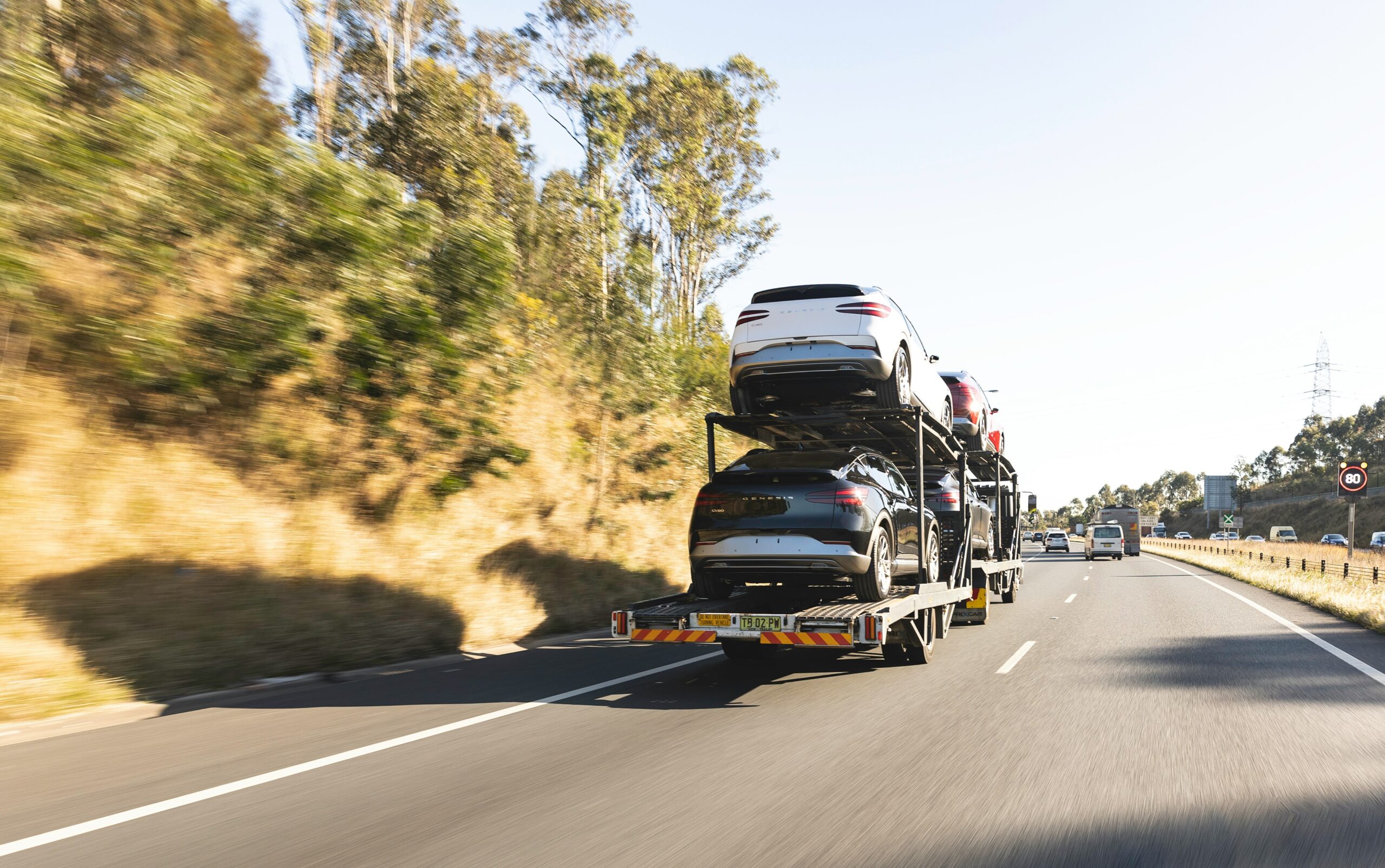
Car carriers don’t move vehicles one by one. They move multiple vehicles at once, on fixed-size trailers, with strict weight, height, and balance limits. Anything that disrupts trailer efficiency makes a vehicle harder to ship.
Vehicle Size, Weight, and Modifications
Larger and heavier vehicles reduce how many cars fit on a trailer. Full-size SUVs, pickup trucks, vans, and heavy electric vehicles take up more space, reduce total trailer capacity, and affect weight distribution—meaning fewer available spots and fewer willing carriers.
Vehicle modifications are one of the biggest reasons shipments get delayed. Lift kits, oversized tires, custom bumpers, and roof racks may cause vehicles to exceed height limits, require special loading angles, or be incompatible with standard trailers. Many carriers simply skip these shipments unless pricing compensates for the extra risk.
Low-Clearance Vehicles, Non-Running Cars, and EVs
Sports cars and performance vehicles create a different problem. Low-clearance vehicles risk scraping during loading, require slower and more careful handling, and sometimes need special ramps—limiting which carriers can safely load them and often leading to longer scheduling times.
Non-running vehicles require winches, hydraulic lift gates, and extra loading time. Because not all carriers are equipped for this, availability drops sharply. Electric vehicles introduce unique challenges as well: heavier weight due to batteries, different weight distribution, and limited neutral towing options. Some carriers prefer not to transport EVs unless they’re experienced with them.
Luxury, Exotic, Classic Cars, and Vehicles With Mechanical Issues
High-value vehicles are harder to ship because owners expect extra care, carriers assume higher liability, and specialized equipment may be required. Many owners choose enclosed transport for added protection, but enclosed trailers are far less common—making scheduling more competitive.
Even if a car technically runs, issues like broken steering, locked wheels, or brake problems can turn a standard shipment into a complex one. If these issues aren’t disclosed upfront, carriers may refuse pickup on arrival. Misrepresentation—where a vehicle arrives in worse condition than described—leads carriers to reject the shipment, request higher pay, or delay pickup.
How Routes and Carrier Decisions Compound the Challenge
A difficult vehicle on an easy route may still move smoothly. But a difficult vehicle on a rural route, a low-demand lane, or a seasonal route becomes exponentially harder to schedule. Vehicle difficulty plus route difficulty equals higher cost and longer timelines.
Carriers quickly assess size and weight, condition, modifications, route compatibility, and risk vs reward. If any factor makes the load inefficient or risky, they simply move on to the next option. This is not personal—it’s business.
How to Make a Difficult Vehicle Easier to Ship
You can often improve your chances by being flexible with pickup dates, meeting near major roads, accurately describing the vehicle, and accepting realistic pricing. Small adjustments significantly increase carrier interest. In auto transport, flexible customers get better results—even difficult vehicles ship successfully every day when flexibility is part of the equation.
Final Thoughts
Some vehicles are harder to ship because auto transport is a system built around efficiency, safety, and equipment limitations.
Size, weight, condition, modifications, and value all affect how carriers plan routes and choose loads.
Understanding these factors helps you avoid unrealistic expectations, prevent delays, and choose the right transport option.
With transparency and flexibility, even challenging vehicles can be shipped smoothly.
FAQs
Why is my SUV harder to ship than a sedan?
It takes more space and weight on the trailer, limiting capacity.
Are modified vehicles harder to ship?
Yes. Lifted or oversized vehicles require special handling.
Do non-running vehicles always cost more?
Yes, due to equipment and limited carrier availability.
Are electric vehicles harder to ship?
Often yes, because of weight and handling considerations.
Can difficult vehicles still be shipped?
Absolutely—just with proper planning and realistic expectations.
Read also related blogs:

5 Things to Know About Auction Car Shipping Before You Place a Bid
Storage fees, yard rules, vehicle condition and hidden costs can turn an auction deal sour. Here are five things to know about auction car shipping before you place a bid.
Read more →
5 Things a Cheap Car Shipping Quote Might Leave Out
A low car shipping quote is only a deal if it covers the same shipment. Here are five things a cheap quote might leave out, the questions to ask, and how to compare quotes fairly.
Read more →