




 855-720-5244
How Technology Is Changing Car Shipping Auto Logistics

The auto transport industry has traditionally been slow to adopt new technology. For decades, car shipping relied on phone calls, paper forms, and manual coordination between brokers, carriers, and customers.
That is rapidly changing.
Today, technology is reshaping how cars are quoted, scheduled, tracked, and delivered. From real-time data to digital documentation, modern tools are improving transparency, efficiency, and customer experience across the entire auto transport process.
This article explores how technology is changing car shipping, what has already evolved, and what the future likely holds.
From Phone Calls to Digital Platforms and Smarter Pricing
Not long ago, booking car shipping meant calling multiple companies, waiting for callbacks, receiving handwritten or emailed quotes, and relying on verbal updates. Today, digital platforms allow customers to request quotes online, submit vehicle details instantly, receive faster responses, and compare options more easily.
One of the biggest changes is how pricing is determined. Modern systems analyze route demand, carrier availability, fuel costs, seasonal trends, and historical shipment data. Instead of relying solely on intuition, brokers now use data-driven tools to estimate realistic market rates—helping reduce unrealistic quotes, match shipments to carriers faster, and minimize pricing surprises.
Real-Time Carrier Matching and GPS Tracking
In the past, brokers manually searched for carriers by calling dispatchers and posting loads on boards. Today, digital load boards and dispatch systems allow real-time posting of shipments, instant carrier visibility, and faster acceptance of loads. Carriers can review routes, vehicle details, and timing in seconds, making scheduling more efficient for everyone involved.
Tracking used to be one of the weakest points in car shipping—customers often had limited updates and long gaps in communication. GPS-enabled systems now allow location updates during transit, estimated delivery windows, and better communication between brokers and drivers. While not every shipment offers live tracking, visibility has improved dramatically compared to a decade ago.
Digital Inspections and Improved Communication Tools
Paper-based inspections are being replaced by digital tools. Drivers now use mobile apps, photo-based inspection reports, and digital signatures. This improves accuracy of condition reports, speed of documentation, and clarity during insurance claims. Digital Bills of Lading reduce paperwork errors and provide instant access to records for both customers and companies.
Technology has also transformed how customers stay informed. Modern communication includes automated notifications, text message updates, email confirmations, and centralized customer portals. These tools reduce uncertainty and keep customers informed without constant phone calls.
Route Optimization and Automation With the Human Element
Advanced routing software helps carriers avoid road restrictions, reduce fuel consumption, and optimize pickup and delivery sequences. While drivers still rely on experience, technology helps identify potential issues before they become problems—leading to fewer delays, more predictable timelines, and better overall efficiency.
Despite automation, car shipping is still a people-driven business. Technology supports faster decision-making, better coordination, and reduced manual errors—but human judgment remains critical for handling unexpected issues, communicating with customers, and making real-time adjustments. The most successful companies combine technology with experienced professionals.
Fraud Prevention, Mobile Technology, and AI
Technology is also helping reduce fraud. Tools now help verify carrier credentials, DOT and MC numbers, and insurance validity—making it harder for dishonest actors to operate. Drivers now use mobile devices for navigation, inspections, communication, and compliance tracking, reducing paperwork and allowing faster updates across the transport network.
AI is beginning to influence car shipping through predicting demand spikes, estimating pickup windows, identifying route inefficiencies, and improving pricing accuracy. As data quality improves, these systems will become more accurate and influential.
What Technology Still Cannot Fix and the Road Ahead
As technology improves, customer expectations rise. Customers now expect faster quotes, clear communication, digital documentation, and transparency throughout the process. Companies that fail to adapt risk falling behind.
Despite advancements, technology cannot eliminate weather delays, remove traffic disruptions, override legal driving limits, or replace human coordination. Looking ahead, we can expect more automation in dispatching, better tracking visibility, increased integration between systems, and improved customer-facing platforms. The industry will continue to modernize—but gradually, not overnight.
Final Thoughts
Technology is changing car shipping in meaningful ways.
From smarter pricing to better communication and documentation, digital tools are making the process more transparent and efficient for both customers and companies.
However, the best results still come from combining technology with experience, honesty, and clear communication.
Car shipping is becoming more modern—but it remains a logistics industry built on people, planning, and trust.
FAQs
Has technology made car shipping faster?
It has improved coordination and communication, but transit times still depend on logistics and routes.
Can I track my car in real time?
Sometimes. Tracking availability depends on the carrier and system used.
Are digital inspections reliable?
Yes. They often provide better documentation than paper forms.
Will technology lower car shipping costs?
It improves efficiency, but pricing still depends on market conditions.
Is car shipping fully automated now?
No. Human coordination is still essential.
Read also related blogs:
California to Texas Car Shipping: 5 Things to Know Before You Book
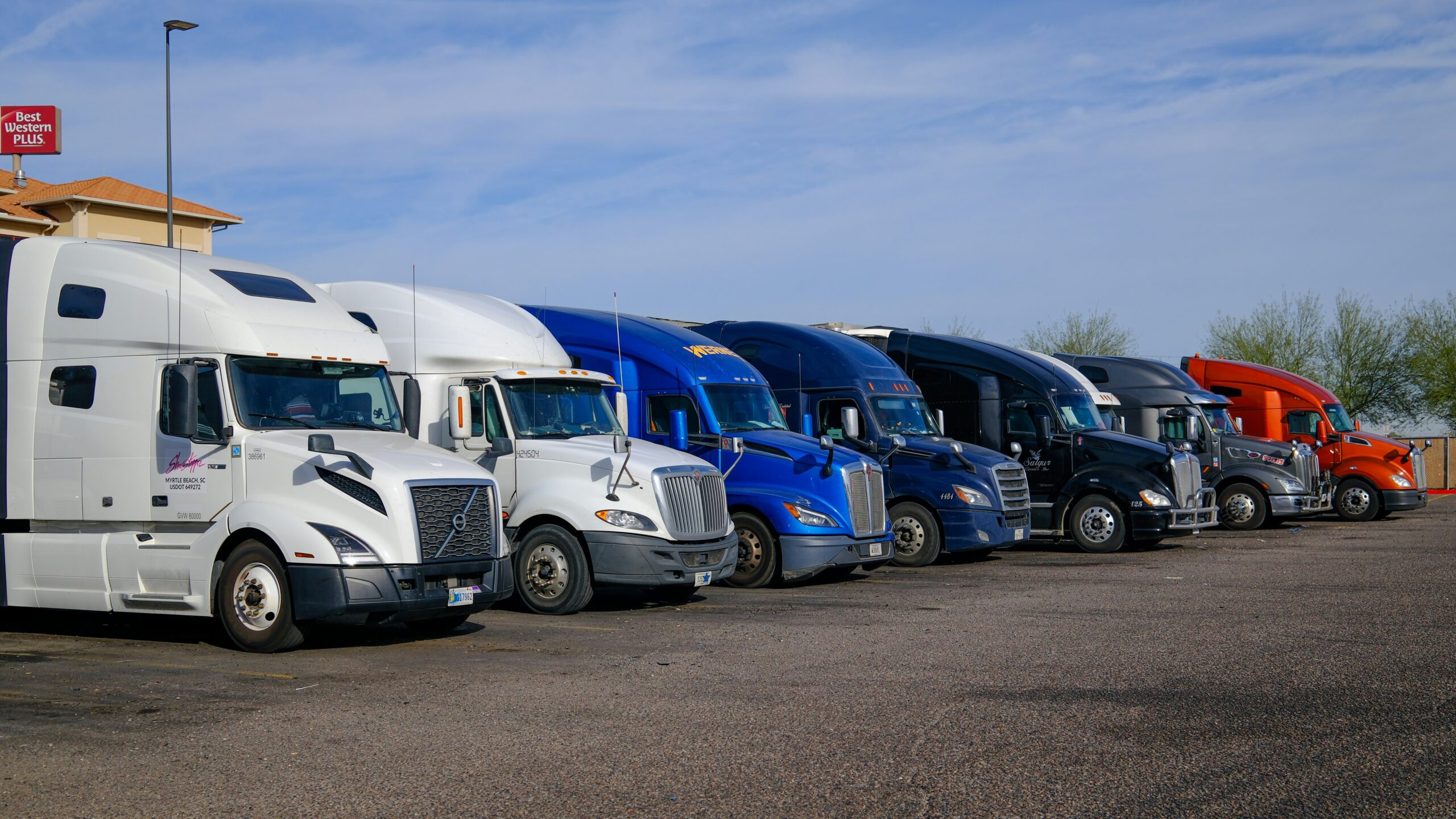
California to Texas is one of the busiest moving routes in the country. Here are five things to know about cities, timing, desert heat, transport type and Texas registration before you book your car shipment.
Read more →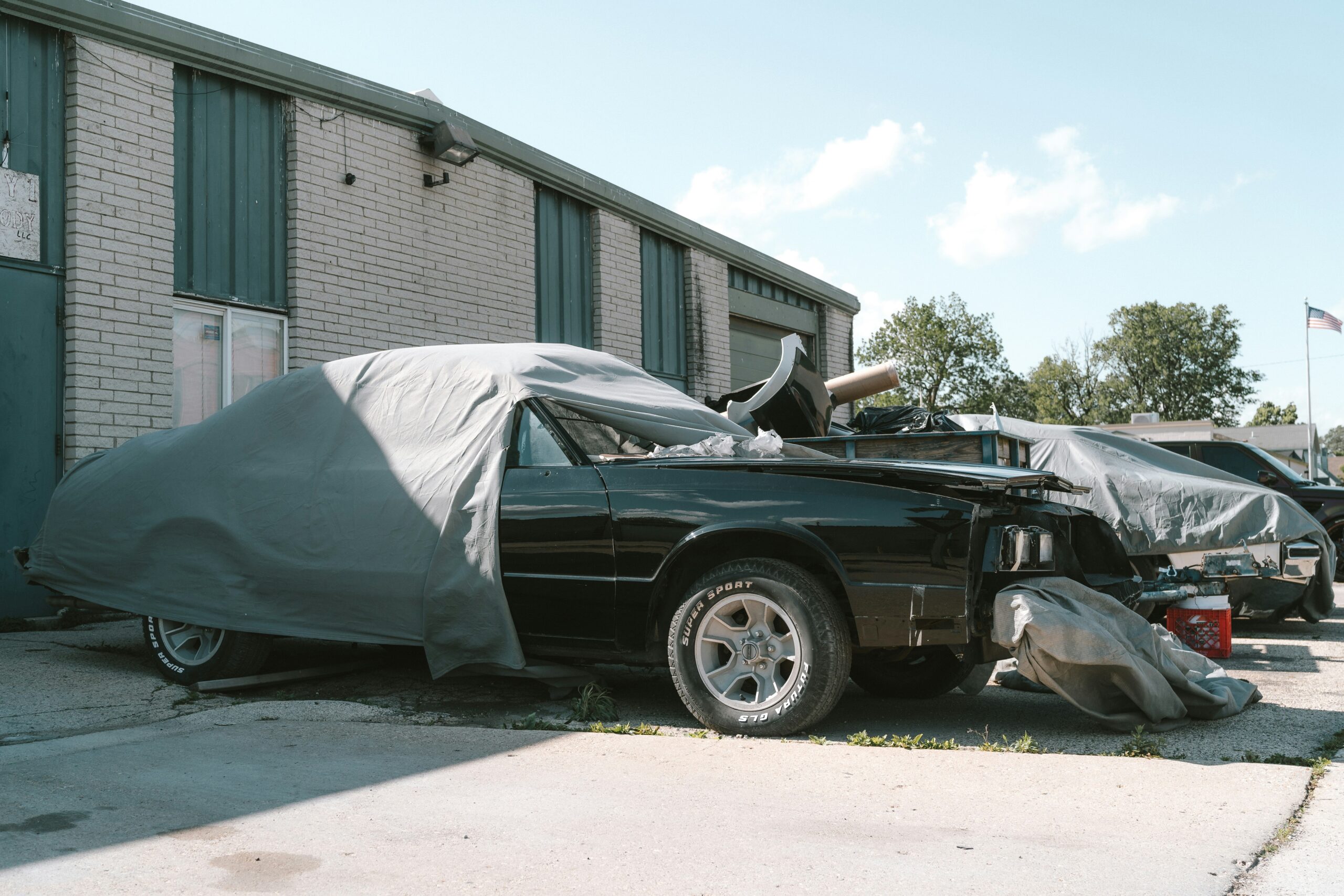
5 Things to Know About Auction Car Shipping Before You Place a Bid
Storage fees, yard rules, vehicle condition and hidden costs can turn an auction deal sour. Here are five things to know about auction car shipping before you place a bid.
Read more →