




 855-720-5244
What Happens If Your Car Is Damaged During Transport? Useful
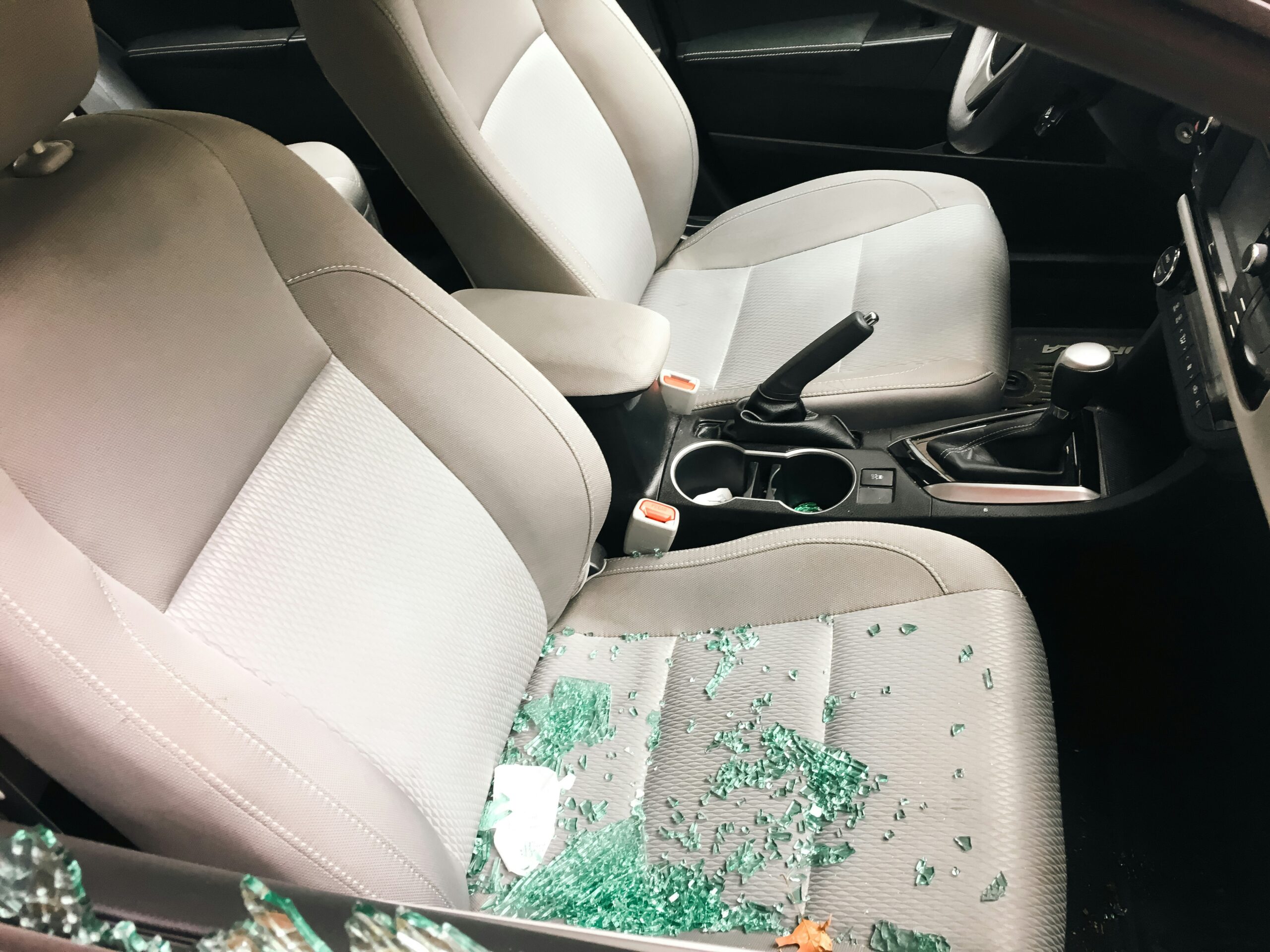
One of the biggest fears people have when shipping a car is simple:
What if my vehicle gets damaged?
While damage during auto transport is relatively rare, it can happen—and when it does, most customers don’t fully understand what the process looks like, who is responsible, or what steps to take.
In this article, we’ll walk through exactly what happens if your car is damaged during transport, how insurance works, what you should do immediately, and how to protect yourself before shipping.
How Common Is Damage and Who Is Responsible?
The vast majority of car shipments arrive without any issues. Professional carriers move thousands of vehicles every year, and serious damage is uncommon. When damage does occur, it’s usually minor cosmetic issues (small scratches, chips) caused by road debris, weather, or tight loading conditions. Major damage is rare, especially when using reputable carriers and realistic shipping methods.
Responsibility depends on when and how the damage is documented. In auto transport, the carrier—not the broker—is responsible for the vehicle while it’s in transit. Carriers are required to carry cargo insurance, and that insurance is what covers valid damage claims. However, responsibility only applies if the damage occurred during transport, was not pre-existing, and is properly documented. This is where paperwork becomes critical.
The Bill of Lading and What to Do at Delivery
The Bill of Lading (BOL) is the official inspection report used in auto transport. It is completed once at pickup and once at delivery. The BOL documents the vehicle’s condition before and after transport. If damage is noted at delivery and wasn’t listed at pickup, it’s considered a valid transit claim. If damage is not noted at delivery, claims become extremely difficult. Never rush this step.
If you see damage at delivery, follow these steps before signing anything: inspect the vehicle carefully (check all sides, wheels, roof, mirrors, and undercarriage if possible), note the damage on the Bill of Lading specifically, take clear photos immediately from multiple angles, and get a signed copy of the Bill of Lading. This documentation is your primary evidence for any claim.
How the Insurance Claims Process Works
After delivery, the carrier’s insurance company typically requires a copy of the Bill of Lading, photos of the damage, and a repair estimate from a body shop. The carrier or broker will provide instructions on where to submit the claim. Claims are not instant—review and approval can take weeks, and insurance may cover repair costs, not replacement value. Patience and documentation are key.
Carrier insurance has limits. Most policies do not cover pre-existing damage, normal wear and tear, mechanical issues unrelated to transport, leaks caused by aging seals, or items left inside the vehicle. This is why accurate pre-shipment inspection is essential.
Transport Type, Risk, and How to Protect Yourself
Transport method plays a role in exposure risk. Open Carrier Car Shipping exposes vehicles to weather and road debris, though damage is still uncommon. Enclosed Car Shipping offers additional protection and is often preferred for luxury, classic, or high-value vehicles. Choosing the right transport type helps reduce risk—but no method eliminates it entirely.
With Door To Door Car Shipping, accessibility matters. Tight streets or difficult loading areas can increase the chance of minor issues during loading or unloading. If access is limited, meeting at a nearby open area can reduce risk and simplify delivery.
You can significantly reduce risk by preparing properly: wash the car before pickup, take dated photos from all angles, remove personal items, disable alarms, and fold mirrors if possible. Clear communication and preparation make the entire process smoother.
What If Damage Is Discovered After Delivery?
If damage is discovered after delivery and not noted on the Bill of Lading, insurance claims are often denied and responsibility becomes difficult to prove. Always inspect the vehicle thoroughly at delivery—even if you’re in a hurry.
Final Thoughts
Car damage during transport is rare—but understanding the process matters. Knowing who is responsible, how insurance works, and what to document and when gives you confidence and control if something goes wrong. A professional auto transport company won’t just ship your car—they’ll explain the process clearly so you’re never caught off guard.
FAQs
How often do cars get damaged during transport?
Serious damage is rare. Most shipments arrive without issues.
Who pays if my car is damaged?
The carrier’s cargo insurance typically covers valid claims.
What if I don’t notice damage at delivery?
Claims are much harder if damage isn’t noted on the Bill of Lading.
Is enclosed transport safer?
Yes, it offers more protection, especially for high-value vehicles.
Should I take photos before shipping?
Absolutely. Photos are critical for documentation and claims.
Read also related blogs:
California to Texas Car Shipping: 5 Things to Know Before You Book
California to Texas is one of the busiest moving routes in the country. Here are five things to know about cities, timing, desert heat, transport type and Texas registration before you book your car shipment.
Read more →
5 Things to Know About Auction Car Shipping Before You Place a Bid
Storage fees, yard rules, vehicle condition and hidden costs can turn an auction deal sour. Here are five things to know about auction car shipping before you place a bid.
Read more →