





 855-720-5244
How Auto Transport Routes Are Planned Car Shipping Guides
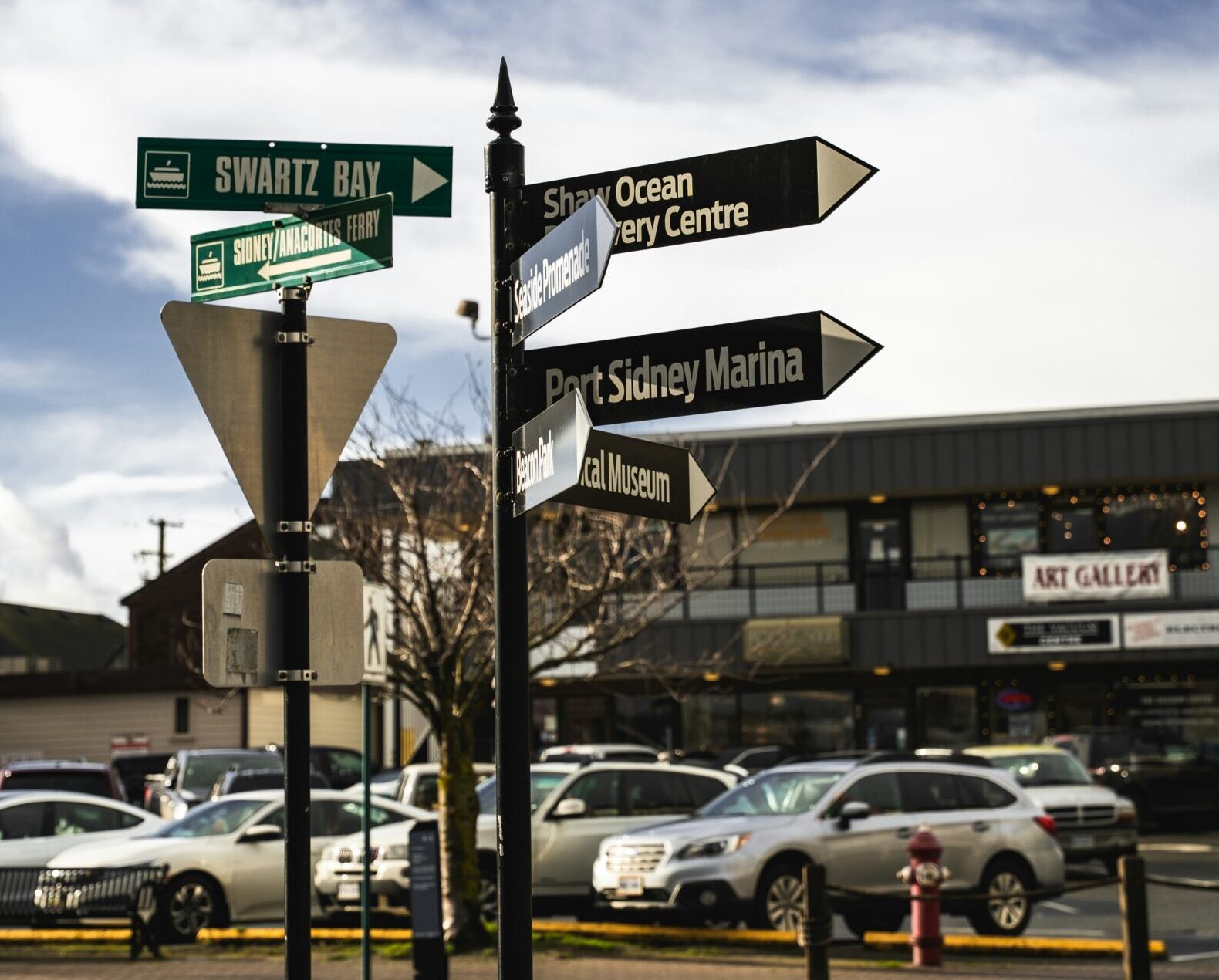
Many people assume car shipping routes are planned the same way you’d plan a road trip—by opening Google Maps and following the fastest path.
In reality, auto transport route planning is far more complex.
Car carriers don’t plan routes for one vehicle at a time. They plan routes for entire truckloads, balancing distance, demand, regulations, and profitability.
In this article, we’ll explain how auto transport routes are actually planned, what factors influence them, and why your shipment might not follow the most obvious path.
Routes Are Built for Multi-Vehicle Loads, Not Single Shipments
Car carriers rarely move a single vehicle from point A to point B. Instead, routes are designed to pick up and deliver multiple vehicles, minimize empty miles, and maximize trailer capacity. This means your car is often part of a larger logistics puzzle, not a solo shipment.
Distance alone doesn’t determine a route. High-demand corridors like California ↔ Texas and Florida ↔ New York have predictable, efficient routes because carriers know they can fill trailers both ways. Lower-demand routes may require detours, fewer pickup opportunities, and longer scheduling windows. This is one reason Why Car Shipping Quotes Vary So Much and why some routes cost more than others.
Carrier Availability and Regulatory Constraints
Carriers don’t just drive anywhere. They choose routes based on where other vehicles are booked, seasonal demand, and fuel efficiency. If no carrier is planning to run your route, your shipment may wait until enough vehicles align to make the route profitable. This also explains Why Car Shipping Gets Delayed (and How to Avoid It) in certain regions or seasons.
Auto transport routes must comply with federal Hours of Service regulations, weight limits, height and bridge clearances, and state-specific trucking laws. These restrictions can force carriers to avoid certain highways, take longer but legal routes, and schedule rest stops strategically. Route planning is as much about compliance as efficiency.
Accessibility, Seasonal Adjustments, and Mid-Transit Changes
Carriers evaluate whether locations are easily accessible for large trucks, near major roads or highways, and suitable for safe loading and unloading. With Door To Door Car Shipping, carriers aim to get as close as possible—but if access is limited, alternate meeting points may be used to keep the route efficient.
Routes change throughout the year. Snowbird season shifts traffic north and south, winter weather affects northern routes, and summer increases nationwide demand. Carriers adjust routes dynamically to avoid delays, road closures, and low-demand regions. It’s also not unusual for routes to change while a shipment is in progress, due to added or canceled vehicles, traffic or weather disruptions, or carrier capacity changes. This flexibility helps keep shipments moving—but it also means transit paths aren’t always fixed.
What This Means for Your Shipment
Because routes are planned around logistics—not individual preferences—customers may notice longer pickup windows, non-direct travel paths, and slightly adjusted delivery timelines. Understanding this process helps set realistic expectations and reduces frustration.
Final Thoughts
Auto transport routes are not random—and they’re definitely not based on Google Maps alone. They’re carefully planned using demand data, carrier availability, legal requirements, and seasonal patterns. Knowing how routes are built helps you understand pricing, timing, and why flexibility leads to better results.
FAQs
Are car shipping routes direct?
Not usually. Routes are designed to serve multiple vehicles efficiently.
Why does my car take a longer route?
Because carriers optimize for full loads, not shortest distance.
Can I request a specific route?
No, routes are determined by carrier logistics and regulations.
Do routes change during transport?
Yes. Routes may adjust due to weather, demand, or scheduling.
Does route planning affect cost?
Yes. High-demand routes are usually cheaper and faster.
Read also related blogs:
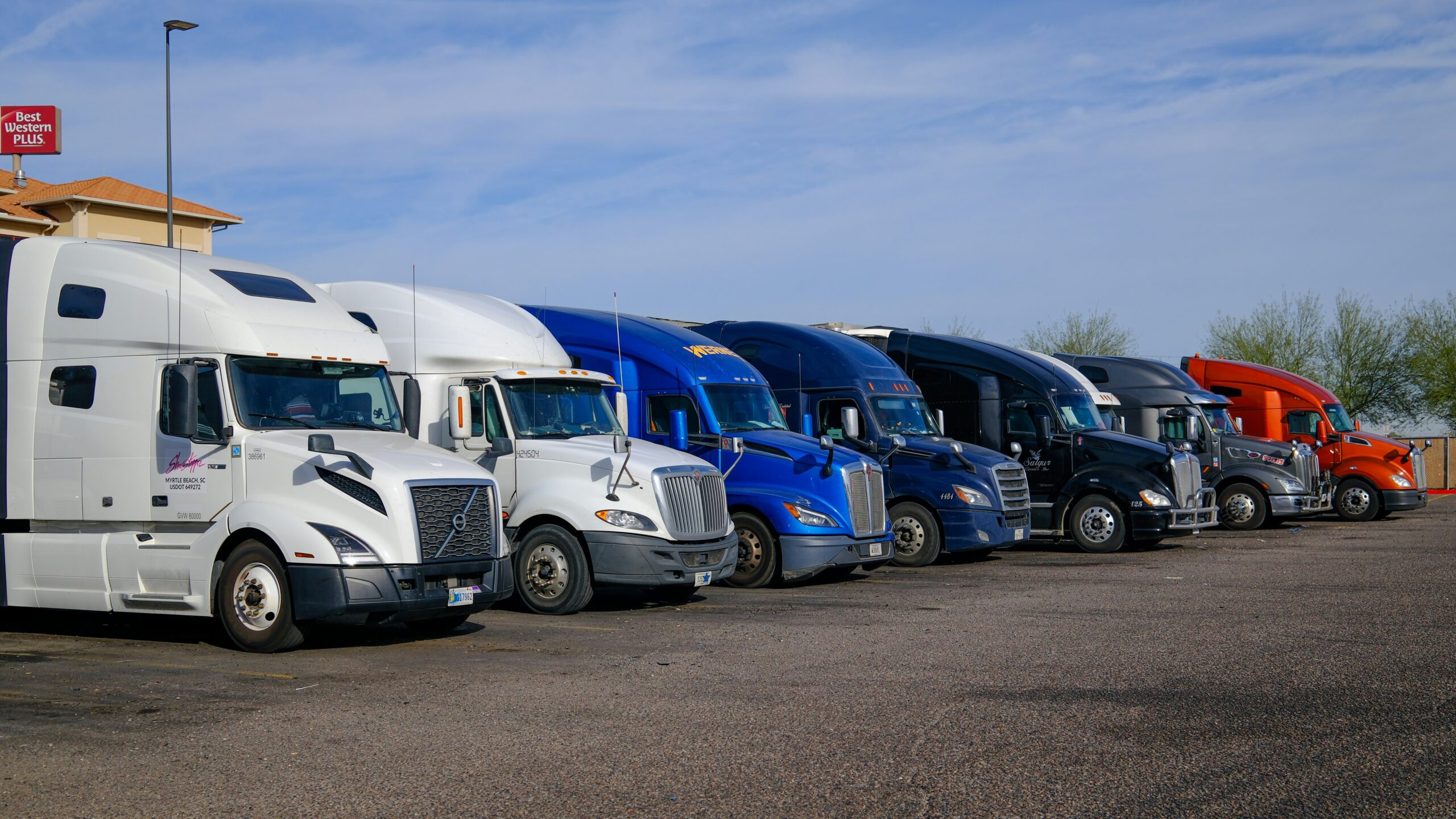
California to Texas Car Shipping: 5 Things to Know Before You Book
California to Texas is one of the busiest moving routes in the country. Here are five things to know about cities, timing, desert heat, transport type and Texas registration before you book your car shipment.
Read more →
5 Things to Know About Auction Car Shipping Before You Place a Bid
Storage fees, yard rules, vehicle condition and hidden costs can turn an auction deal sour. Here are five things to know about auction car shipping before you place a bid.
Read more →