





 855-720-5244
How Dispatchers Match Cars to Carriers Auto Logistics
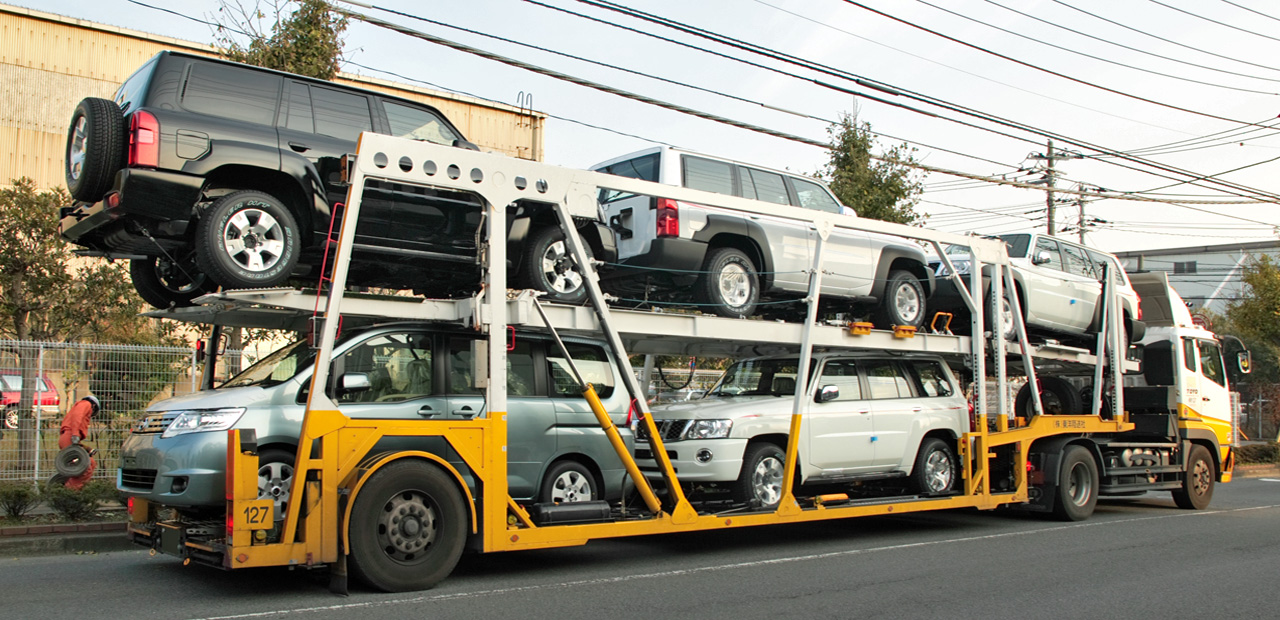
In auto transport, dispatchers are the invisible force that keeps vehicles moving. While customers usually interact with sales or customer support, dispatchers work behind the scenes, coordinating carriers, routes, and timing.
Many delays, pricing changes, and scheduling decisions trace back to dispatcher logic. Understanding how dispatchers match cars to carriers explains why some shipments move quickly while others take longer.
This article breaks down how dispatchers actually match cars to carriers, what factors matter most, and how customers can make that process easier.
The Dispatcher’s Role and Route-First Logic
Dispatchers are responsible for posting shipments to the market, communicating with carriers, evaluating route fit, managing timing and availability, and resolving conflicts and changes. Their goal is not just to move a car—but to move it efficiently within a larger route.
A key misunderstanding is thinking that dispatchers look for a truck specifically for your car. In reality, dispatchers think in terms of routes, load balance, trailer capacity, and sequence of pickups and deliveries. Your car must fit into an existing or planned route to be picked up.
Vehicle Details and Route Compatibility
Before anything else, dispatchers look at vehicle size, condition, modifications, and running status. These details determine which carriers can handle the vehicle, whether special equipment is needed, and how much trailer space the car will take. Incomplete or inaccurate vehicle details often delay matching.
Two shipments with the same mileage can have very different outcomes. Dispatchers evaluate highway access, pickup and delivery locations, detours required, and local restrictions. Routes that align well with carrier paths are matched faster.
Timing, Pricing, and Carrier Availability
Pickup windows heavily influence dispatcher decisions. Wide windows increase carrier interest and allow route optimization. Narrow windows reduce available options and increase pricing pressure. Dispatchers prioritize shipments that offer scheduling flexibility.
Dispatchers continuously evaluate market demand, competing shipments, and carrier responses. If carriers ignore a shipment, pricing may need adjustment to attract interest. They also track carrier locations, available trailer spots, and upcoming deliveries. A carrier may be ideal for a route but already fully loaded.
Equipment Compatibility and Carrier Reliability
Not all carriers have the same equipment. Dispatchers consider open vs enclosed trailers, lift gate or winch requirements, and height and weight limits. A mismatch here can prevent assignment entirely.
Experienced dispatchers also factor in carrier behavior—preferring carriers who communicate well, meet schedules, and handle vehicles carefully. Even if pricing is right, unreliable carriers may be skipped.
Regional Demand and Managing Multiple Shipments
Dispatchers are aware of regional trends. High-demand regions attract more carriers and move shipments faster. Low-demand or one-way regions have limited options and require more time or higher rates.
Dispatchers manage dozens or hundreds of shipments simultaneously, prioritizing based on pickup window start, route efficiency, customer urgency, and carrier interest. This balancing act affects which cars get matched first. Much of dispatching happens through load boards, direct calls, and text and messaging platforms. Carriers often make quick decisions, requiring dispatchers to respond fast and accurately.
When Dispatchers Escalate and How Customers Can Help
If a shipment isn’t getting traction, dispatchers may increase the offered rate, expand the pickup window, suggest alternate locations, or repost the shipment strategically. These adjustments aim to unlock carrier interest.
Customers can help by providing accurate vehicle details, being flexible with timing, being open to nearby pickup locations, and responding quickly to questions. The easier the shipment is to place, the faster it moves. Dispatching ultimately combines data analysis, market awareness, experience, and real-time judgment—no software fully replaces human decision-making in auto transport dispatching.
Faster matches usually involve common routes, standard vehicles, flexible windows, and competitive pricing. Slower matches often involve multiple complicating factors. Understanding what makes a shipment easy to place is the key to faster pickup.
Final Thoughts
Dispatchers play a critical role in auto transport, even though customers rarely see their work.
Matching cars to carriers is a complex process influenced by routes, timing, vehicle details, pricing, and human judgment.
Understanding this process helps explain delays, pricing changes, and why flexibility matters so much.
When dispatchers and customers work together, shipments move faster and more smoothly.
FAQs
What does a dispatcher do in auto transport?
They match vehicles to carriers and manage scheduling.
Why can’t dispatchers assign a carrier immediately?
Because they must wait for a carrier whose route and capacity align.
Does pricing affect dispatcher decisions?
Yes. Competitive pricing attracts more carriers.
Can dispatchers choose any carrier they want?
No. They choose from carriers available on that route at that time.
How can I help my shipment get matched faster?
Be flexible, accurate, and responsive.
Read also related blogs:
California to Texas Car Shipping: 5 Things to Know Before You Book
California to Texas is one of the busiest moving routes in the country. Here are five things to know about cities, timing, desert heat, transport type and Texas registration before you book your car shipment.
Read more →
5 Things to Know About Auction Car Shipping Before You Place a Bid
Storage fees, yard rules, vehicle condition and hidden costs can turn an auction deal sour. Here are five things to know about auction car shipping before you place a bid.
Read more →