




 855-720-5244
What Is the Bill of Lading in Car Shipping? Auto Logistics
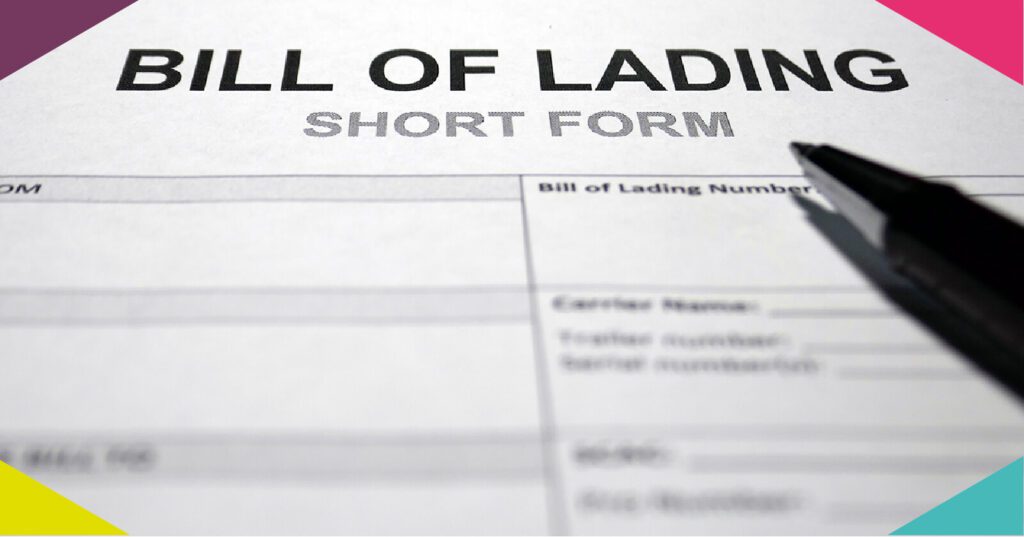
If you're shipping a car for the first time, you'll hear one term mentioned again and again:
the Bill of Lading.
It may sound like boring paperwork—but in reality, the Bill of Lading (often called the BOL) is the single most important document in auto transport. It affects insurance claims, responsibility for damage, and even whether a problem can be resolved at all.
In this article, we'll explain what the Bill of Lading is, how it works, why it matters, and what you should always check before signing it.
What Is a Bill of Lading and When Is It Created?
In car shipping, the Bill of Lading is a legal document that serves three purposes at the same time: a receipt for your vehicle, an inspection report documenting vehicle condition, and a contract between the shipper and the carrier. It records vehicle information, pickup and delivery details, and the condition of the car before and after transport.
The Bill of Lading is created at pickup and updated at delivery. At pickup, the carrier inspects the vehicle, notes existing damage, and both parties sign. At delivery, the vehicle is inspected again, any new damage is recorded, and final signatures confirm delivery. This two-step process is what makes the Bill of Lading legally meaningful. Without a properly completed Bill of Lading, resolving disputes becomes extremely difficult.
Why It Matters and What Information It Includes
The Bill of Lading determines who is responsible for the vehicle, whether damage is considered pre-existing, and whether an insurance claim is valid. If damage is not documented correctly, insurance claims are often denied—even if the damage is real.
A standard auto transport Bill of Lading includes shipper and carrier details, vehicle make, model, and VIN, pickup and delivery locations, date and time of pickup, a vehicle condition report (diagram or notes), and signatures from pickup and delivery. Some carriers use paper forms, others use digital versions—but the purpose is the same.
The Inspection Section and Common Mistakes
The vehicle condition report is the most critical part of the document. It notes scratches, dents, chips, or damage, often includes a diagram of the vehicle, and serves as the baseline for comparison at delivery. Never rush this step. Washing your car beforehand makes inspections clearer and reduces disputes.
Many problems happen because customers don't inspect the car carefully, sign without reviewing damage notes, assume photos alone are enough, or forget to keep a copy. Once the document is signed without damage noted, it becomes very hard to prove the issue happened during transport.
What to Do at Pickup and Delivery
At pickup, be present if possible, walk around the vehicle with the driver, point out any existing damage, take photos for your records, and make sure damage is written on the Bill of Lading. Never feel rushed—this document protects you.
At delivery, inspect the car before signing, compare its condition to the pickup inspection, note any new damage on the Bill of Lading, and take photos immediately. If something looks wrong, write it down before signing. If you sign the Bill of Lading at delivery without noting damage, the shipment is considered completed and insurance claims are often denied. This is why delivery inspections matter just as much as pickup inspections.
Digital vs Paper, Insurance Claims, and Who Provides the BOL
Many carriers now use digital Bills of Lading. Both are valid as long as inspections are clearly documented, signatures are captured, and copies are provided. Always ask for a copy before the driver leaves.
Insurance companies rely heavily on the Bill of Lading. To file a claim, you'll usually need the signed Bill of Lading, photos of the damage, and a repair estimate. If damage isn't noted on the Bill of Lading, proving liability becomes extremely difficult.
The carrier, not the broker, provides the Bill of Lading. Brokers coordinate logistics and communicate with customers; carriers transport the vehicle, inspect the car, and issue the Bill of Lading. Understanding this distinction helps clarify responsibility in case of problems. If someone else receives the car, designate someone you trust, make sure they understand inspection importance, and instruct them not to rush.
Final Thoughts
The Bill of Lading isn't just paperwork—it's your protection.
Understanding how it works helps you prevent disputes, protect your vehicle, and navigate insurance claims confidently.
Taking a few extra minutes to inspect and document your car can save weeks of stress later.
A professional auto transport experience always includes a clear, properly completed Bill of Lading.
FAQs
Is the Bill of Lading required for car shipping?
Yes. Every auto transport shipment uses one.
Who fills out the Bill of Lading?
The carrier completes it at pickup and delivery.
Should I sign the Bill of Lading immediately?
Only after inspecting the vehicle carefully.
What if damage is discovered later?
Claims are much harder if damage isn't noted at delivery.
Do I get a copy of the Bill of Lading?
Yes. Always request and keep a copy.
Read also related blogs:
California to Texas Car Shipping: 5 Things to Know Before You Book
California to Texas is one of the busiest moving routes in the country. Here are five things to know about cities, timing, desert heat, transport type and Texas registration before you book your car shipment.
Read more →
5 Things to Know About Auction Car Shipping Before You Place a Bid
Storage fees, yard rules, vehicle condition and hidden costs can turn an auction deal sour. Here are five things to know about auction car shipping before you place a bid.
Read more →