





 855-720-5244
Can You Put Personal Items in Your Car During Transport? Car Shipping Guides
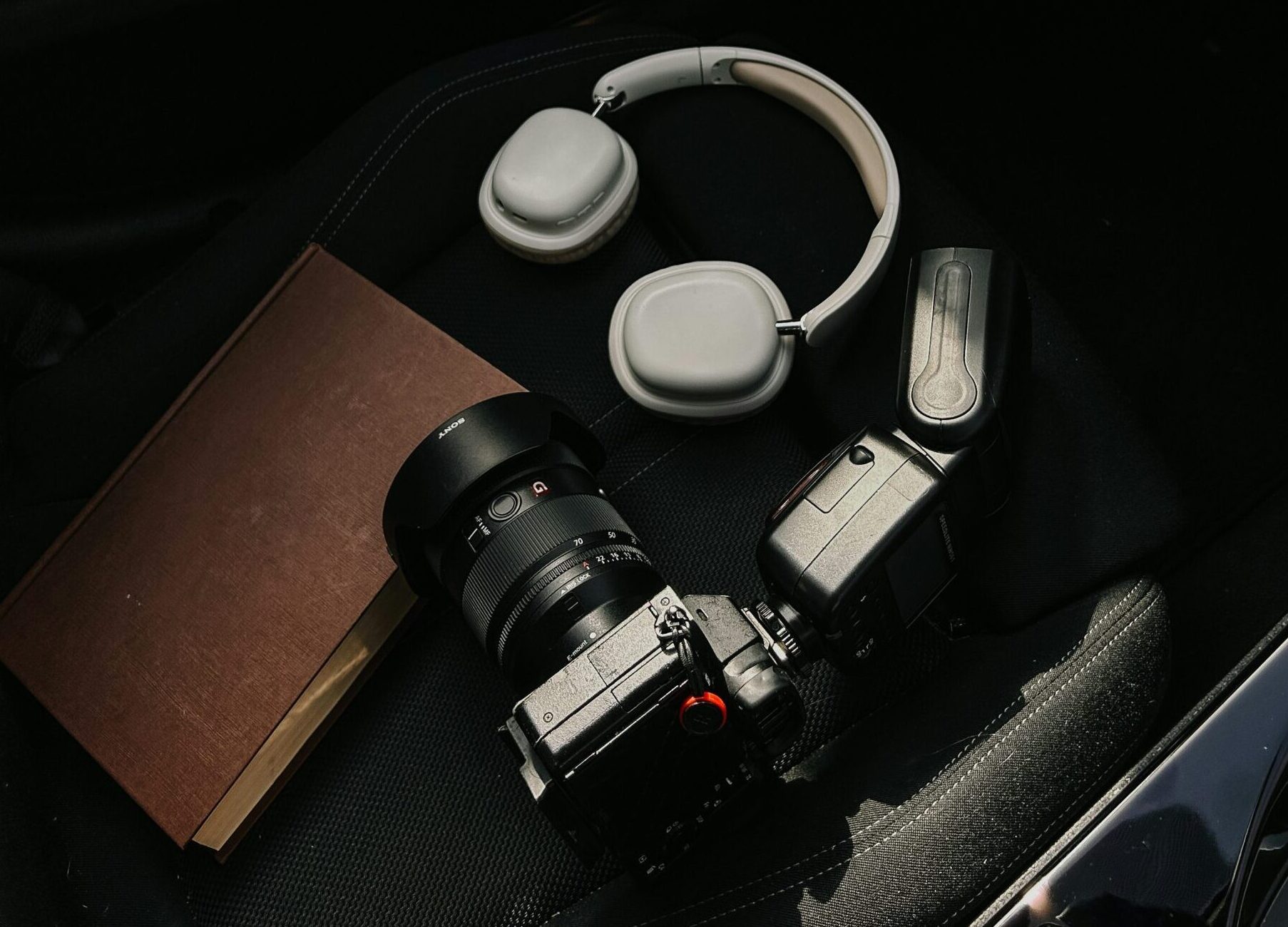
When shipping a car, many people ask the same question:
Can I put personal items in my car during transport?
The short answer is: sometimes – but with important limitations.
Rules around personal items are often misunderstood, and packing the wrong things can lead to delays, extra fees, or even refused pickup.
In this article, we’ll explain what’s allowed, what’s not, and how to avoid common problems when shipping your car.
Why Personal Items Are Restricted and What May Be Allowed
Car carriers transport vehicles—not household goods. Most auto transport insurance policies do not cover personal belongings, and federal regulations limit what carriers can haul beyond the vehicle itself. Allowing personal items increases weight, creates liability risks, and can violate transport regulations. This is why rules vary between carriers and shipments.
Some carriers allow a small amount of personal items, as long as they meet strict conditions. Typically allowed: lightweight items, items stored below window level, and items secured in the trunk. Examples include small boxes, soft bags, and car accessories. Always confirm with your carrier or broker before packing anything.
Prohibited Items and How They Affect Pricing
Most carriers prohibit valuables (electronics, jewelry), fragile items, liquids or hazardous materials, and firearms or ammunition. These items are not insured and may cause the carrier to refuse pickup.
Extra weight affects fuel consumption and load balance. If a vehicle appears overloaded, the carrier may charge extra, pickup may be delayed, or the shipment may be rejected. This is especially important on routes where pricing is sensitive to vehicle weight and balance. Understanding Why Car Shipping Quotes Vary So Much helps explain why small changes can impact pricing.
Transport Type and Door-to-Door Considerations
Transport method can influence what’s allowed. Open Carrier Car Shipping usually has stricter limits due to exposure and weight concerns. Enclosed Car Shipping may allow slightly more flexibility, depending on the carrier. Even with enclosed transport, items are still shipped at the owner’s risk.
With Door To Door Car Shipping, accessibility and inspection are important. If personal items block visibility or access, inspection may be delayed and items may need to be removed on the spot. Clear access ensures smoother pickup and delivery.
Best Practices If You Plan to Pack Items
If allowed by the carrier: keep items under 100 lbs total (or carrier limit), secure everything tightly, store items in the trunk only, and take photos before pickup. Never assume personal items are insured.
Final Thoughts
You may be able to ship a car with personal items inside—but it comes with restrictions and risks. To avoid delays or issues: confirm rules in advance, pack lightly and securely, and never include valuables. Clear communication is the key to a smooth car shipping experience.
FAQs
Are personal items insured during transport?
No. Carrier insurance does not cover personal belongings.
Can I pack my trunk full?
Usually no. Overloading can lead to delays or refusal.
Do all carriers allow personal items?
No. Policies vary by carrier and route.
Does enclosed transport allow more items?
Sometimes, but items are still shipped at your own risk.
Should I remove all personal items?
Yes, if possible. It’s the safest option.
Read also related blogs:
California to Texas Car Shipping: 5 Things to Know Before You Book
California to Texas is one of the busiest moving routes in the country. Here are five things to know about cities, timing, desert heat, transport type and Texas registration before you book your car shipment.
Read more →
5 Things to Know About Auction Car Shipping Before You Place a Bid
Storage fees, yard rules, vehicle condition and hidden costs can turn an auction deal sour. Here are five things to know about auction car shipping before you place a bid.
Read more →