




 855-720-5244
New York to Florida Auto Transport: Avoid These 5 Costly Mistakes Car Shipping Tips
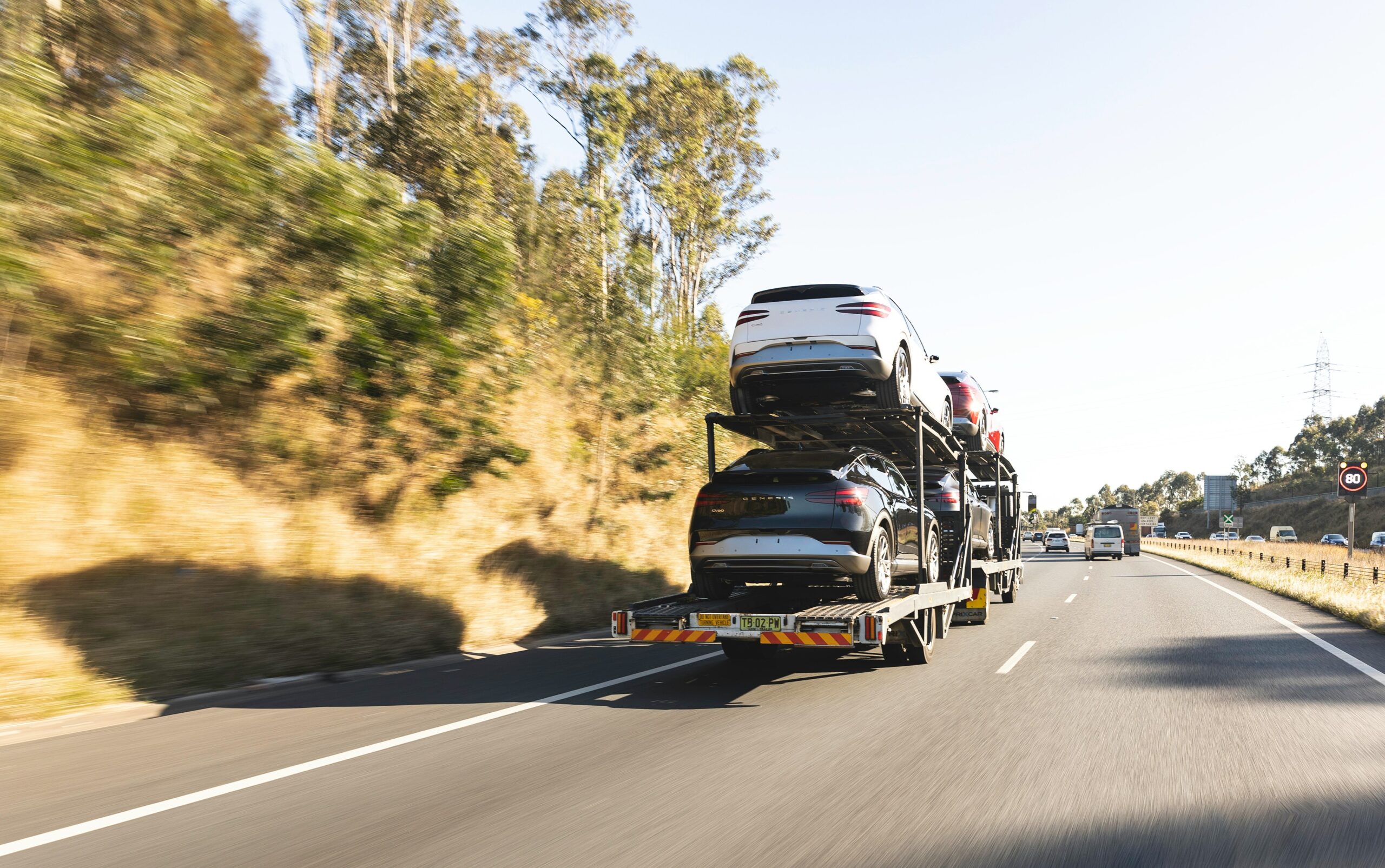
Every fall, one of the busiest corridors in American auto transport lights up: New York to Florida. Retirees heading to their winter homes, families relocating for lower taxes and warmer weather, college students, remote workers and seasonal business owners all need their cars moved roughly 1,000–1,300 miles down the I-95 corridor. Each spring, the same traffic flows back north.
Because this route is so popular, it is also one of the most competitive. That is good news for pricing and carrier availability, but it also means the market is crowded with lowball quotes, rushed bookings and avoidable surprises. Most of the problems customers run into on this lane come down to the same five mistakes.
In this guide, we break down each mistake, explain why it costs you money or time, and show you exactly how to avoid it. If you just want route specifics like distance and transit time, start with our New York to Florida car shipping page, then come back here before you book.
Why New York to Florida Is a Unique Route
Before getting to the mistakes, it helps to understand what makes this lane different from a typical state-to-state move.
- Strong seasonality. Southbound demand surges from October through January as snowbirds head south. Northbound demand peaks from March through May. Prices and pickup windows shift noticeably with these waves.
- High carrier volume. I-95 is one of the most heavily traveled transport corridors in the country, so carriers run it constantly. That keeps transit times relatively short — typically 3–5 days once the car is loaded.
- Tricky pickup areas. Manhattan, Brooklyn, Queens and many older suburbs have narrow streets, low trees and strict parking rules that make it hard for an 80-foot car carrier to reach a front door.
- Weather on both ends. Winter storms in the Northeast and hurricane season in Florida (June through November) can both affect schedules.
Understanding these factors is the key to avoiding every mistake below. For a deeper look at how routes like this one are built, see How Auto Transport Routes Are Planned.
Mistake #1: Booking Too Late During Snowbird Season
The single most expensive mistake on this route is waiting until the last minute in October, November or December. When tens of thousands of snowbirds all want their cars in Florida before Thanksgiving or the holidays, carrier space fills up fast. Late bookings face higher rates, wider pickup windows and less flexibility on delivery dates.
Why it costs you
Auto transport pricing works like airline seats. Carriers fill their trailers with the best-paying loads first. If you book five days before you need the car moved during peak season, your order competes with hundreds of others, and the only way to get it picked up quickly is to offer a higher rate. Customers who book late in the fall often pay noticeably more than those who booked a few weeks earlier for the exact same trip.
How to avoid it
- Book 2–3 weeks ahead for most of the year, and 3–4 weeks ahead between October and December.
- Avoid the holiday crunch. The weeks right before Thanksgiving and Christmas are the tightest. If you can ship in early October or early January, you will usually save.
- Plan the return trip early too. Northbound demand peaks in April. If you know you will head back in spring, lock in your date by February or early March.
Our guides on how far in advance you should book car shipping and the best time of year to ship a car cover timing in more detail. If you split your year between New York and Florida, our seasonal vehicle relocation service is designed exactly for you.
Mistake #2: Choosing the Cheapest Quote Without Asking Why It Is Cheap
Search for New York to Florida car shipping and you will find quotes that vary by hundreds of dollars. It is tempting to click the lowest number. Unfortunately, on a high-demand route, a quote far below the market rate is usually a warning sign, not a bargain.
Why it costs you
An unrealistically low quote often means one of three things:
- The price will not attract a carrier. Your order sits on the load board for days or weeks while drivers pass on it. Eventually, you are asked to pay more anyway — but now you have lost time.
- Fees are hidden. Fuel surcharges, "inoperable" fees, residential access fees or insurance add-ons appear after you commit.
- The company is not legitimate. Some operators take a deposit and disappear, or hand your car to an uninsured driver.
How to avoid it
- Compare at least two or three quotes and throw out any that are dramatically lower than the rest.
- Ask whether the quote is all-inclusive: fuel, insurance, door-to-door service and taxes.
- Ask whether the price is guaranteed or "estimated," and what happens if no carrier accepts it.
- Verify the company's USDOT and MC numbers on the FMCSA website.
- Read recent reviews that specifically mention the Northeast-to-Florida route.
To understand where price differences come from, read Why Car Shipping Quotes Vary So Much and Why Cheap Car Shipping Quotes Fail. For red flags to watch out for, see How to Avoid Auto Transport Scams.
Mistake #3: Ignoring Pickup Logistics in New York City and Dense Suburbs
Many customers assume "door-to-door" means the truck will pull up exactly at their apartment building on the Upper West Side or their row house in Brooklyn. In reality, a full-size car carrier is around 75–80 feet long and cannot legally or safely navigate many city streets.
Why it costs you
When the pickup location is not truck-accessible, drivers have to find an alternative spot on the day of pickup. If you are not prepared, that can mean missed appointments, extra waiting, rescheduling, or a carrier skipping your car entirely to stay on schedule. In some cases, customers end up paying for a local tow or smaller truck to bring the car to the carrier.
How to avoid it
- Tell your transport company the truth about your street. Narrow roads, low-hanging trees, gated communities, parking garages and HOA restrictions all matter.
- Pick a backup meeting point. A large shopping center, home improvement store parking lot or wide commercial street nearby works well. Your driver will usually call ahead to coordinate.
- Be flexible with time. Pickup dates on long-haul routes are windows, not exact appointments. Read why pickup dates are windows, not exact times so you can plan accordingly.
- Have someone available. If you are flying out before the pickup date, authorize a trusted friend, family member or building manager to release the car.
If you are shipping from the city, check out our New York City car shipping page, as well as service details for Brooklyn and Queens. Our door-to-door car shipping service gets as close to your address as safely possible, and the same logic applies on the Florida side in busy areas like Miami and Fort Lauderdale. For more on why some addresses take extra planning, see Why Some ZIP Codes Are Harder to Ship Cars To.
Mistake #4: Picking the Wrong Transport Type for Your Car
There are two main ways to ship a car from New York to Florida: open carrier and enclosed carrier. Choosing the wrong one can mean either paying for protection you do not need or exposing a valuable vehicle to risks you did not plan for.
Open carrier transport
Open carrier car shipping is the standard choice for most daily drivers. It is the same type of trailer dealerships use to deliver new cars. It is more affordable and, because there are far more open carriers on I-95, it usually offers faster pickup. The trade-off is exposure to weather and road debris — generally minor, but worth considering in the middle of a Northeast winter, when roads are treated with salt and brine.
Enclosed carrier transport
Enclosed car shipping protects the vehicle inside a covered trailer. It costs more and may have slightly less schedule flexibility, but it is the right choice for:
- Classic and collector cars (see our classic car shipping service)
- Luxury, exotic and high-value vehicles (see luxury and exotic car shipping)
- Cars with fresh paint, custom wraps or low ground clearance
- Vehicles shipped in winter when you want to avoid road salt entirely
How to avoid the mistake
Be honest about the car's value and condition. A five-year-old SUV going to your Florida condo is a perfect fit for open transport. A restored Corvette or a new Porsche going to Naples is worth the extra cost of enclosed transport. And if you are working against a hard deadline, ask about expedited shipping rather than hoping a standard booking moves faster.
Mistake #5: Skipping Vehicle Preparation and Documentation
The last mistake happens in the days before pickup. Many customers hand over the keys without preparing the car or documenting its condition — and only realize the importance when there is a question at delivery.
Why it costs you
If your car arrives in Florida with a new scratch and there are no clear "before" photos or notes on the inspection report, it becomes difficult to show where the damage happened. Loose personal items can also shift during transport, and they are generally not covered by the carrier's cargo insurance. Overloaded cars can even exceed weight limits and lead to extra charges or refused pickups.
How to avoid it
- Wash the car a day or two before pickup so existing scratches and dents are visible.
- Take dated photos and video of every panel, the roof, wheels, interior and odometer.
- Review the Bill of Lading carefully. Make sure all existing damage is marked at pickup, and inspect again before signing at delivery. Learn more in What Is the Bill of Lading in Car Shipping.
- Remove personal items, toll tags such as E-ZPass (to avoid charges along I-95), garage openers and loose accessories. See Can You Put Personal Items in Your Car During Transport?
- Leave about a quarter tank of fuel, check tire pressure and battery, and note any mechanical quirks for the driver.
- Disable car alarms or explain to the driver how to turn them off.
Our full guide to preparing your car for shipping walks through every step. And if something does go wrong, read what happens if your car is damaged during transport so you know your options.
How Much Does It Cost to Ship a Car From New York to Florida?
Price depends on the exact pickup and delivery ZIP codes, vehicle size, transport type and season. As a general guide, a standard sedan on an open carrier between the New York metro area and major Florida cities typically falls in the range of roughly $900–$1,400. SUVs and pickup trucks cost more, and enclosed transport usually adds 30–60%. Peak snowbird weeks push prices toward the higher end, while off-peak months like late summer can be cheaper southbound.
Key factors that move the price:
- Season and direction — southbound in fall and northbound in spring are the most expensive.
- Exact locations — major metros like Orlando, Tampa and Miami are easier to serve than rural towns.
- Vehicle size and condition — larger and non-running vehicles require more space or special equipment.
- Transport type — open vs. enclosed.
- Fuel prices — see how gas prices and seasonality affect car shipping costs.
The fastest way to get an exact number is to request a free quote with your pickup and delivery ZIP codes and preferred dates.
How Long Does Shipping Take?
Once the car is picked up, transit from New York to Florida usually takes about 3–5 days, depending on the exact cities, weather and how many other stops the driver has. Add the pickup window — typically 1–5 business days after your first available date — to estimate the total timeline. Shipping to South Florida usually takes a little longer than shipping to Jacksonville or Orlando.
Weather can also play a role. Snowstorms in the Northeast and tropical storms in Florida may slow carriers down for safety reasons. Our article on why car shipping gets delayed explains what to expect and how to plan a buffer.
Quick Checklist: Shipping Your Car From New York to Florida
- Book 3–4 weeks ahead during October–December
- Compare quotes and verify USDOT/MC numbers
- Confirm the quote is all-inclusive and guaranteed
- Share street access details and choose a backup meeting spot
- Choose open or enclosed transport based on the car's value
- Wash the car and take detailed photos
- Remove personal items and toll tags
- Leave about ¼ tank of gas
- Inspect the car and the Bill of Lading at pickup and delivery
- Plan your spring return trip early
Ship Your Car South With Confidence
Shipping a car from New York to Florida does not have to be stressful. Avoid these five mistakes — booking late, chasing the cheapest quote, ignoring city pickup logistics, picking the wrong transport type and skipping preparation — and you will save money, time and frustration.
Tiger Auto Transport moves vehicles along the I-95 corridor every week, with experienced carriers, transparent pricing and door-to-door service. Whether you are a snowbird, a relocating family or shipping a classic car to your winter home, we can help. Explore our New York car shipping and Florida car shipping pages, or request your free quote today.
FAQs
How far in advance should I book New York to Florida car shipping?
Two to three weeks is usually enough, but book three to four weeks ahead between October and December, when snowbird demand peaks.
How long does it take to ship a car from New York to Florida?
Transit typically takes 3–5 days after pickup, plus a pickup window of a few business days.
Can a car carrier pick up my car in Manhattan or Brooklyn?
Often not directly at your door because of narrow streets and parking restrictions. The driver will usually meet you at a nearby truck-accessible spot such as a large parking lot.
Is open or enclosed transport better for this route?
Open transport is the affordable, popular choice for most vehicles. Enclosed transport is better for classic, luxury or exotic cars, or when you want to avoid winter road salt.
Can I leave personal items in the car?
It is best to remove them. Personal items are generally not covered by the carrier's insurance and add weight to the vehicle.
When is the cheapest time to ship from New York to Florida?
Late spring and summer are usually cheaper southbound, since most demand on this route moves north at that time of year.
Read also related blogs:
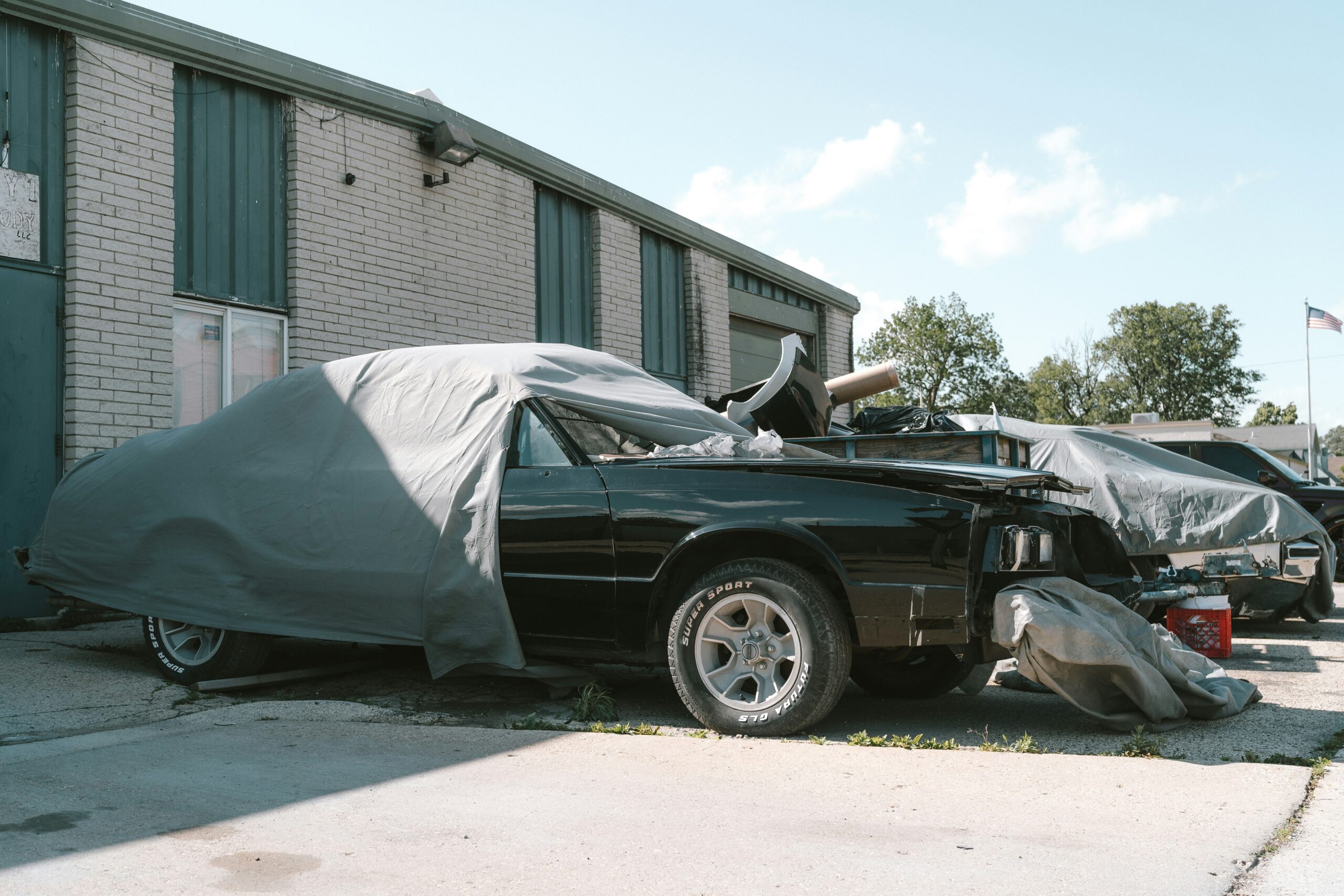
5 Things to Know About Auction Car Shipping Before You Place a Bid
Storage fees, yard rules, vehicle condition and hidden costs can turn an auction deal sour. Here are five things to know about auction car shipping before you place a bid.
Read more →
5 Things a Cheap Car Shipping Quote Might Leave Out
A low car shipping quote is only a deal if it covers the same shipment. Here are five things a cheap quote might leave out, the questions to ask, and how to compare quotes fairly.
Read more →