





 855-720-5244
How to Prepare Your Car for Shipping: A Complete Checklist Car Shipping Tips
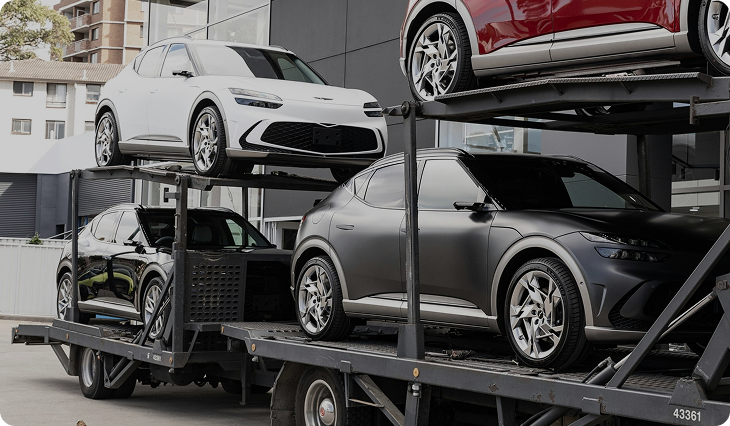
You've booked your shipment, got a pickup window, and now the carrier is arriving in a few days. What do you actually need to do before they show up?
Most people skip this step entirely — and then scramble at pickup trying to find insurance cards, take photos in bad lighting, or argue about a scratch they didn't document. This guide walks you through everything, in order.
Step 1: Document the Vehicle's Condition Before Pickup
This is the most important step, and the one most people skip.
Before the carrier arrives, take clear photos of:
- All four sides of the vehicle (front, rear, driver side, passenger side)
- The roof
- The interior (front and back seats, dashboard)
- Any existing damage: scratches, dents, chips, cracks, paint scuffs
- The odometer reading
Take these photos in good lighting — daylight, not a dark garage. Use your phone's timestamp feature or ensure the file metadata records the date and time.
Why this matters: When the car arrives at the destination, you and the driver will complete a Bill of Lading inspection. If damage appears at delivery that wasn't noted at pickup, the carrier's insurance is responsible. Without photos, it becomes your word against theirs.
Step 2: Remove Personal Items From the Vehicle
Auto transport carriers are not licensed to transport personal belongings. This is a federal regulation — carriers are licensed to transport vehicles, not household goods.
Remove all personal items before pickup, including:
- Clothing, bags, luggage
- Electronics: chargers, laptops, tablets
- Toll transponders (E-ZPass, SunPass, FasTrak)
- Garage door openers
- Valuables: cash, jewelry, documents
- Car seats and strollers
Items left in the vehicle are not covered by cargo insurance. If belongings are damaged or go missing, there is no recourse through the carrier or broker.
Step 3: Handle the Fuel Level
Keep the fuel tank between ¼ and ½ full.
The carrier needs enough fuel to drive the vehicle onto and off the transport trailer. A full tank adds unnecessary weight (roughly 6 lbs per gallon), which matters when loading multiple vehicles on a trailer.
For electric vehicles, charge to between 30–50% before pickup. See our full guide on Shipping Electric Vehicles for more on EV-specific requirements.
Step 4: Disable Toll Transponders
If you forgot to remove your toll transponder (or it's hardwired to your windshield), disable it before pickup.
Carriers drive through tolls. A transponder left active on a trailer full of cars can trigger charges on your account as the driver passes through toll plazas across multiple states. Most transponders can be put into sleep mode via the account app or by placing them in a Mylar bag.
Step 5: Address Any Mechanical Issues
Your vehicle needs to be in operable condition — meaning it can start, move under its own power, and roll onto the carrier trailer.
If there are known issues, disclose them when booking:
- Flat or low tires — inflate to proper PSI before pickup
- Dead battery — charge or replace it
- Non-running vehicles — require winch loading and must be disclosed upfront
Attempting to hand off a non-operable vehicle without prior disclosure can result in the carrier refusing pickup or charging additional fees on the spot.
Step 6: Secure Custom Accessories
If your vehicle has aftermarket accessories, secure or remove them before pickup:
- Roof racks and cargo boxes — remove if possible; they add height and can be damaged by trailer clearances
- Antennas — retract or remove extended antennas
- Bike racks — remove; they extend beyond the vehicle profile
- Convertible tops — ensure fully secured and latched
Lowered vehicles may need special ramps for loading. Notify the carrier in advance if your car has ground clearance under 4 inches.
Step 7: Prepare Your Documentation
Have these ready at pickup:
- Your booking confirmation — from your auto transport company
- Photo ID — matching the name on the order
- Keys — primary set required
- Gate or access codes — if pickup is at a gated community or restricted location
You don't need to provide the car title, registration, or insurance to the carrier. If someone else is handing off the vehicle on your behalf, provide them with a signed authorization letter and a copy of your ID.
Step 8: Review and Sign the Bill of Lading at Pickup
The Bill of Lading (BOL) is the legal record of the vehicle's condition at pickup. At pickup the driver will note existing damage, the odometer reading, and vehicle condition.
Before signing:
- Walk the car with the driver and compare notes against your photos
- If the driver missed a scratch, point it out and ask them to add it
- Never sign a blank or incomplete BOL
- Keep a copy (a photo of the signed document is fine)
The same process repeats at delivery. Compare the vehicle against the pickup BOL before signing the delivery receipt. If new damage is present, note it on the delivery BOL before the driver leaves.
Complete Pre-Shipping Checklist
- Take timestamped photos of all sides, roof, interior, and odometer
- Remove all personal belongings from the vehicle
- Fuel tank at ¼ to ½ full (EVs: 30–50% charge)
- Disable or remove toll transponders
- Confirm vehicle is operable and battery is charged
- Remove or secure roof racks, bike racks, cargo boxes
- Retract antenna; fold in mirrors
- Have booking confirmation and photo ID ready
- Walk the car with the driver before signing the Bill of Lading
- Keep a copy of the signed BOL
FAQs
Can I leave items in my car during shipping?
Some carriers allow under 100 lbs in the trunk, but personal items are not covered by cargo insurance. Remove everything valuable.
How much fuel should be in the tank?
¼ to ½ tank is standard. A full tank adds unnecessary weight.
What if I can't be present at pickup?
You can designate a representative. Provide them with a signed authorization letter and a copy of your ID. They must be able to walk the car and sign the Bill of Lading.
Do I need to wash the car before shipping?
Not required, but recommended. A clean car makes it easier to spot and document pre-existing damage accurately.
Should I disable my car alarm?
Yes. Notify the driver of any alarm quirks and make sure they have a key fob that can disable it.
Read also related blogs:
California to Texas Car Shipping: 5 Things to Know Before You Book
California to Texas is one of the busiest moving routes in the country. Here are five things to know about cities, timing, desert heat, transport type and Texas registration before you book your car shipment.
Read more →
5 Things to Know About Auction Car Shipping Before You Place a Bid
Storage fees, yard rules, vehicle condition and hidden costs can turn an auction deal sour. Here are five things to know about auction car shipping before you place a bid.
Read more →