



 855-720-5244
Selling a Car to an Out-of-State Buyer? How to Handle Shipping Car Shipping Tips
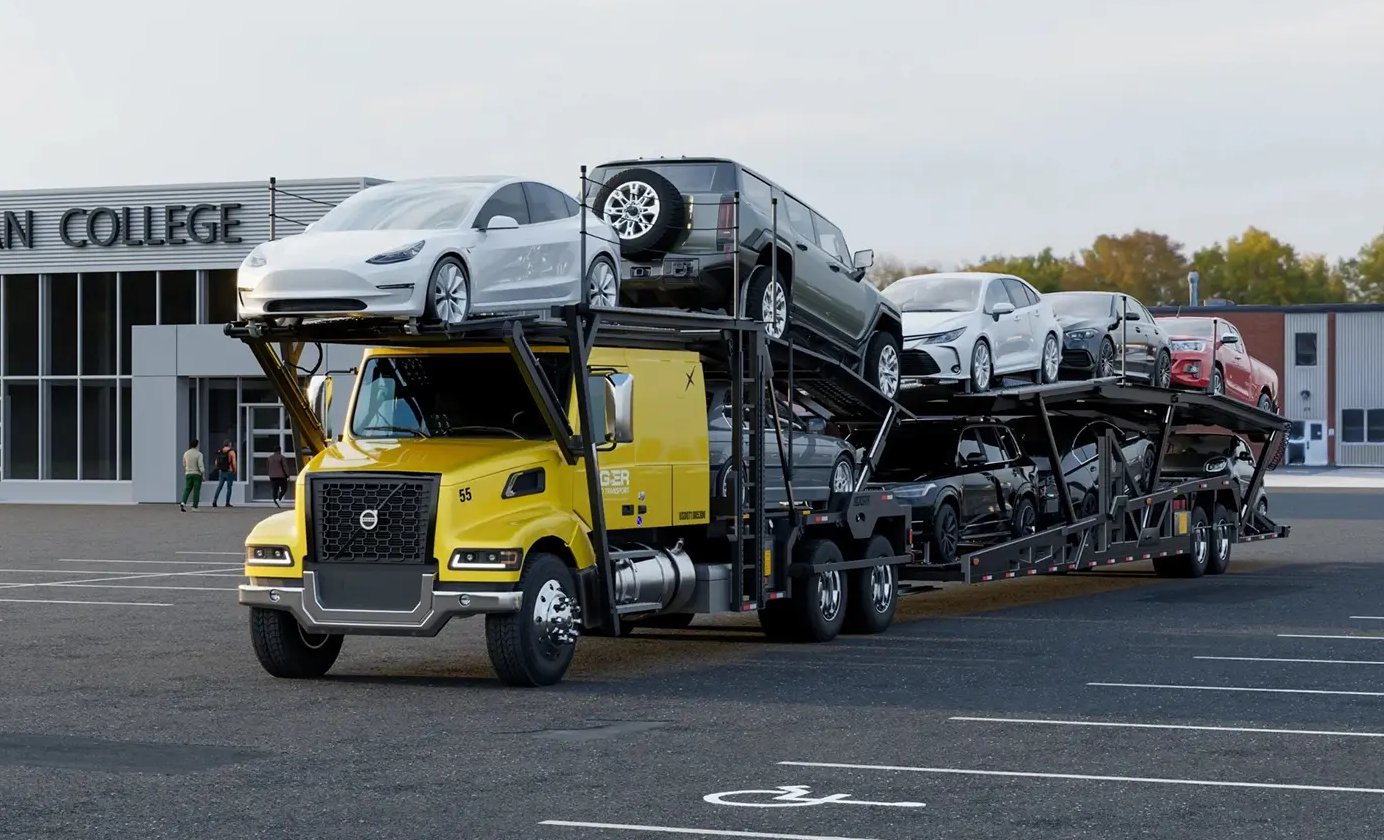
You listed your car online and the best offer came from someone three states away. That is good news, since a wider pool of buyers often means a better price. It also raises new questions. Who arranges the shipping? Who pays for it? When do you hand over the title? And how do you make sure you get paid before your car rolls onto a truck headed somewhere you have never been?
Selling a car to an out-of-state buyer is common and usually goes smoothly, but only if the payment, paperwork and pickup happen in the right order. Get the order wrong and you can end up without the car and without the money.
Here is how to handle shipping when you sell a car to a buyer in another state, step by step, plus the red flags that tell you a "buyer" is really a scammer.
Who Arranges and Pays for Shipping?
In most private sales, the buyer arranges and pays for shipping. The car is theirs once the sale is complete, they choose the delivery address and timing, and the shipping cost is part of their total price. Your job as the seller is to have the car ready, be available for pickup and sign the inspection report.
There are exceptions. Some sellers offer to arrange transport to close a deal, especially for classic, collector or specialty cars. If you do, agree in writing on who pays, the shipping cost and whether it is added to the sale price. Either way, it should be clear before anyone books a truck.
If the buyer asks what shipping will cost, point them to a real quote rather than guessing. Distance, vehicle size, open or enclosed transport and timing all change the price. Our car shipping cost guide and Why Car Shipping Quotes Vary So Much explain the details.
The Golden Rule: Get Paid Before the Car Leaves
Never release the car to a carrier until the full payment has cleared into your account. Not "sent," not "pending," but cleared and available. Once a car is on a truck, getting it back is difficult and expensive.
- Wire transfer. A bank wire is one of the most common ways to pay for a private car sale. Confirm with your own bank that the money has arrived before you release anything.
- Escrow service. A reputable escrow company holds the buyer's money until the car is delivered, protecting both sides. Use only an escrow service you have found and verified yourself, never one the buyer insists on.
- Cashier's check. Cashier's checks can be forged. If you accept one, contact the issuing bank using a phone number you look up yourself, and wait until the funds fully clear.
- Payment apps. Most peer-to-peer payment apps have transfer limits and limited protection for large purchases. They are a poor fit for the full price of a car.
A small deposit to hold the car is fine. The balance should be in your account before pickup day.
Red Flags: Common Scams When Selling to an Out-of-State Buyer
Out-of-state sales attract scammers because the buyer never has to show up in person. Watch for these warning signs:
- Overpayment. The buyer sends a check for more than the price and asks you to wire back the difference "to pay the shipper." The check bounces days later, and your wired money is gone.
- "My shipper will handle everything." The buyer insists on a specific shipping company you cannot verify and asks you to pay that company directly.
- Fake payment emails. You receive an email that looks like it is from a payment service or escrow company saying the money is "on hold" until you do something. Check your actual account, not the email.
- Rushed pickup. The buyer pressures you to release the car before payment clears because "the truck is already on its way."
- No questions about the car. A real buyer usually asks about condition, history and maintenance. A scammer often agrees to the price without asking anything.
If something feels off, slow down. A real buyer will wait for funds to clear. Read our guide on how to avoid auto transport scams for more warning signs.
Paperwork to Sort Out Before Pickup
Title rules vary by state, so check with your state's DMV or motor vehicle agency for the details. In general, expect to handle:
- Bill of sale. Write one even if your state does not require it. List the buyer and seller, the vehicle (year, make, model, VIN), the sale price, the date and an "as is" statement if that is your agreement. Both sides should keep a signed copy.
- The title. Sign it over only after payment has cleared. Many sellers mail the signed title to the buyer by tracked mail after the money arrives, rather than leaving it in the car.
- Loans and liens. If you still owe money on the car, the lender holds the title. Contact the lender about the payoff and how the title will be released to the buyer. Read Shipping a Leased or Financed Car for how financed vehicles affect transport.
- License plates. In many states, the plates stay with the seller. Remove them before pickup unless your state's rules say otherwise.
- Release of liability. Many states let you file a notice of sale or transfer with the DMV. This protects you if the car gets tickets, tolls or worse after it leaves your hands.
- Insurance. Keep your coverage until the car is picked up and the sale is complete, then cancel it. The carrier's cargo insurance covers the car during transport.
The buyer will handle registration and taxes in their own state. For their side of the process, they can read Buying a Car Out of State: What to Know Before Shipping.
Preparing the Car for the Truck
- Clean the car so existing scratches and dents are easy to see on the inspection.
- Take dated photos and video of every panel, the wheels, the interior and the odometer. Share them with the buyer. They protect you if the buyer later claims the car was damaged before it shipped.
- Remove personal items, garage door openers, toll tags and anything in the trunk or glove box. See Can You Put Personal Items in Your Car During Transport?
- Leave about a quarter tank of fuel.
- Gather all keys, manuals and service records for the buyer.
- Tell the buyer about any issues that affect loading: a car that does not start, low ground clearance, leaks or modifications. The buyer's transport company needs to know up front.
If the car does not run, transport is still possible but needs a carrier with a winch. Read Can You Ship a Non-Running Car? Our full preparation guide covers the rest.
What Happens on Pickup Day
Expect a pickup window, not an exact time
Pickup dates are usually a window of one to a few business days, and the driver typically calls ahead with a closer time. Plan to be reachable during the window, or arrange for someone you trust to be there. Read why pickup dates are windows, not exact times.
Verify the driver
Before you hand over keys, make sure the truck and driver match what the buyer or transport company told you. Ask the buyer for the carrier's company name and, if possible, the driver's name in advance. A legitimate driver will have a bill of lading and will not ask you for money.
Inspect the car together and sign the bill of lading
The driver will inspect the car and note its condition on the bill of lading. Walk around the car with them, compare their notes to your photos and make sure the report is accurate before you sign. Keep a copy or a photo of it and send one to the buyer.
Check truck access
A full-size car carrier is about 75–80 feet long. If you live on a narrow street or in a community with truck restrictions, agree on a nearby meeting point such as a large parking lot. Door-to-door service gets as close as is safely possible, and terminal shipping is an option in some areas.
Open or Enclosed Transport?
If the buyer is arranging shipping, it is their choice, but you can help them decide. Most everyday cars travel safely and affordably on an open carrier. For a classic, exotic, rare or freshly restored car, enclosed transport is common and often expected by buyers paying top dollar. See When Enclosed Car Shipping Is Worth the Extra Cost, or our classic car and luxury and exotic car shipping services.
If You Arrange the Shipping Yourself
Offering to handle shipping can help close a sale, especially with a buyer who has never shipped a car. If you take it on:
- Get the full payment, including the shipping cost if the buyer is paying for it, before you book
- Use a licensed, insured company you have checked yourself. Read Broker vs. Carrier to understand who actually moves the car
- Get the buyer's exact delivery address, a phone number and the name of anyone else who may accept the car
- Agree in writing that responsibility for the car passes to the buyer at pickup, delivery or another point you choose
- Share tracking updates and the bill of lading with the buyer
Be wary of a cheap quote that sounds too good to be true. A price that no carrier will accept means the car sits while your buyer waits. Read Why Cheap Car Shipping Quotes Fail.
Quick Checklist: Selling a Car to an Out-of-State Buyer
- Agree in writing on the price and who arranges and pays for shipping
- Confirm the full payment has cleared before pickup
- Watch for overpayment, fake escrow and "my shipper" scams
- Write a bill of sale and sign the title only after payment clears
- Contact your lender if there is a loan on the car
- Remove plates, toll tags and personal items
- Clean the car and take dated photos and video
- Verify the driver and check the bill of lading before you sign
- File a release of liability with your DMV and cancel insurance after the sale
Sold Your Car? We Can Get It to the Buyer
Whether you are the seller offering to arrange transport or the buyer looking for a reliable carrier, Tiger Auto Transport ships cars between all 48 continental states with licensed, insured carriers, door-to-door service and clear pricing. Learn more about our state-to-state car shipping, or get your free quote to share with your buyer.
FAQs
Who pays for shipping when selling a car out of state?
Usually the buyer. They arrange the transport and pay the carrier. Sellers can offer to arrange shipping, but the cost and responsibility should be agreed in writing.
When should I release the car to the carrier?
Only after the full payment has cleared and is available in your account. Do not release the car based on a pending transfer, an email confirmation or a check that has not cleared.
Should I give the title to the truck driver?
Generally, no. Many sellers mail the signed title to the buyer by tracked mail after payment clears. Ask the buyer or their transport company if they have a specific need, and never sign the title before you are paid.
Do I need to be there when the car is picked up?
Someone needs to hand over the keys and sign the inspection report. If you cannot be there, arrange for a trusted person to release the car and give them your photos for the inspection.
What if the buyer says the car was damaged when it arrived?
The bill of lading shows the car's condition at pickup, and your dated photos back it up. Damage that happened during transport is handled through the carrier's insurance. Read What Happens If Your Car Is Damaged During Transport.
Should I keep my plates and insurance?
In many states, the plates stay with the seller. Keep insurance until the car is picked up and the sale is final, then cancel it and file a release of liability with your DMV.
Read also related blogs:
Seattle to Dallas Car Shipping: What Affects Your Price and Pickup Date?
Shipping a car from Seattle to Dallas? Here is what drives the price and the pickup date on this 2,100-mile route, from mountain passes and ferries to seasonal demand, plus what to do when the car arrives in Texas.
Read more →
Ship or Sell Your Car Before Moving? Compare These 5 Costs
Moving to a new state and not sure whether to ship your car or sell it? Compare these five costs, from a rushed sale and sales tax to insurance and time without a car, before you decide.
Read more →