



 855-720-5244
5 Times Enclosed Car Shipping Is Worth the Extra Cost Car Shipping Tips
Every car shipping quote eventually comes down to one question: open or enclosed? Open carrier transport is the industry standard, and for most everyday vehicles it is the smart, affordable choice. Enclosed transport costs more — usually 30–60% more for the same route — and many customers wonder whether that premium actually buys anything.
The honest answer is that it depends on the car, the route and the timing. For a ten-year-old commuter sedan, enclosed transport is usually money you do not need to spend. For a restored muscle car, a new supercar or a vehicle crossing the country in the middle of winter, the extra cost can be the cheapest insurance you will ever buy.
In this guide, we explain what the premium pays for, walk through the five situations where enclosed car shipping is clearly worth it, and cover the cases where open transport is the better value. If you already know you want maximum protection, you can go straight to our enclosed car shipping service page.
What You Actually Pay for With Enclosed Transport
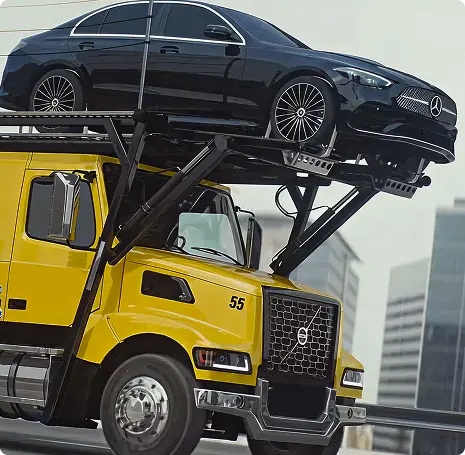
An open carrier is the two-level trailer you see on the highway with eight to ten exposed cars. An enclosed carrier puts the car inside a covered trailer, and that changes more than just the roof.
- Full protection from the elements. Walls and a roof keep out rain, snow, hail, UV exposure, bird droppings, tree sap and road grime. Hard-sided walls also block flying gravel, the most common source of chips.
- Fewer vehicles per load. Enclosed trailers typically carry one to seven cars, so there is less loading, unloading and handling.
- Gentler loading equipment. Many enclosed carriers use hydraulic liftgates instead of steep ramps, which matters for cars with low ground clearance, long front overhangs or delicate splitters and spoilers.
- Higher insurance limits. Enclosed carriers generally carry larger cargo insurance policies because they routinely haul high-value vehicles. Always ask for the exact coverage amount before you book.
- Specialized drivers and privacy. Enclosed drivers are used to classic, exotic and show cars, and nobody on the highway can see what is inside the trailer.
There are two types of enclosed trailers. Soft-sided trailers use heavy-duty vinyl or canvas walls; they keep out weather and most debris at a lower price. Hard-sided trailers have solid aluminum or steel walls and offer the highest level of protection. For truly irreplaceable cars, ask specifically for hard-sided transport.
The premium exists because fewer cars share the cost of better equipment and more insurance. To see how pricing works, read Why Car Shipping Quotes Vary So Much.
1. You Are Shipping a Classic, Antique or Restored Car
This is the most common reason customers choose enclosed transport, and for good reason. A classic car is rarely just transportation. It may represent years of restoration work, original paint that can never be replaced, period-correct chrome and trim, or a family history that has nothing to do with market value.
Why open transport is a risk
Older paint is softer than modern clear coats. A stone chip a new car would shrug off can mean a costly respray on a 1960s car — and a respray can lower the value of an original, numbers-matching vehicle. Older window and door seals can also let driving rain into the cabin.
What to ask for
- Hard-sided enclosed transport for high-value or original-paint vehicles.
- Soft-tie straps around the wheels or through the wheels, rather than chains attached to the frame or suspension.
- Liftgate loading if the car sits low or has long overhangs.
- Clear instructions for the driver on starting, choke use, steering quirks or brakes if the car runs.
If your classic does not run, tell your transport company up front, since it will need a winch or other equipment to load. Our guide on shipping a non-running car explains how that works. You can also learn more about our dedicated classic car shipping service.
2. Your Car Is Luxury, Exotic or Low to the Ground
New luxury and exotic vehicles are another clear case for enclosed transport. When a car is worth six figures, even a few hundred dollars of paint correction is a minor cost compared to the risk — and the price premium for enclosed shipping is small relative to the car's value.
Why the math favors enclosed
If an enclosed quote is a few hundred dollars more on a $150,000 car, you are paying well under 1% of the vehicle's value for much better protection. On a sports car with paint protection film, ceramic coating, carbon-fiber trim or forged wheels, a single rock chip or a scuffed wheel can easily exceed that amount to repair properly.
Low clearance changes everything
Cars like Lamborghinis, McLarens, lowered sports cars and many modern performance models simply do not fit well on standard open-carrier ramps. The steep angle can scrape front splitters, side skirts and undertrays. Enclosed carriers with hydraulic liftgates raise the car level, so there is no ramp angle to worry about.
When you book, give the transport company the car's exact year, make and model, and mention any aftermarket modifications such as lowered suspension, wide body kits or larger wheels. Our luxury and exotic car shipping service is built around these vehicles. For more on why some cars need special handling, read Why Some Vehicles Are Harder to Ship Than Others.
3. Your Car Is Crossing the Country
The longer a vehicle sits on an open trailer, the more exposure it accumulates. A 300-mile trip is one day of highway driving; a coast-to-coast move is a different situation.
Exposure adds up over thousands of miles
A cross-country shipment from New York to California, or from Florida to Washington, typically covers 2,500–3,000 miles and spends a week or more in transit. Along the way the car may pass through desert heat, mountain passes, plains thunderstorms and construction zones. Each mile is another chance for gravel, debris or weather to reach an exposed vehicle.
When it makes the most sense
Long distance alone does not mean every car needs enclosed transport — plenty of daily drivers cross the country on open carriers without a problem. But when you combine a long route with a vehicle you care about, the case for enclosed gets stronger fast. A newer car with dark paint, a freshly detailed vehicle or a car with expensive wheels is far more likely to arrive the way it left if it stays covered for those 3,000 miles.
Popular long routes include Florida to California, New York to California and California to Texas. Learn more about our coast-to-coast car shipping service, and read why some car shipping routes cost more than others to understand how distance affects your quote.
4. You Are Shipping in Winter or Storm Season
Weather is the one risk no driver can fully control on an open trailer. During certain parts of the year, it becomes the main reason to pay for enclosed transport.
Road salt and winter grime
From roughly November through March, highways in the Northeast, Midwest and mountain states are treated with salt, brine and sand. Trucks throw that spray into the air, and cars on open carriers — especially on the lower deck — can arrive coated in a corrosive film. A prompt wash usually removes it, but on classic cars, cars with bare metal or exposed undercarriage components, or vehicles you want to arrive spotless, it is a real concern.
Routes that run through states like Michigan, Illinois, New York and Colorado in winter are the most common examples.
Hail, hurricanes and heat
Spring and summer bring their own risks. Hail is common across the central United States, and a single hailstorm can dent every panel on an exposed vehicle. Hurricane season on the Gulf and Atlantic coasts runs from June through November, bringing heavy rain and wind to routes in and out of Florida, Texas and Louisiana.
Enclosed transport will not stop a snowstorm from closing a highway, but the car stays protected while it waits. For seasonal planning, read how weather events disrupt car shipping routes and our guide to the best time of year to ship a car. If you move a car between homes every season, our seasonal vehicle relocation service can help you plan both trips.
5. The Car Has to Arrive Show-Ready
Sometimes the vehicle simply has to look perfect the moment it comes off the truck, with no time to wash or fix anything.
Auto shows, concours events and auctions
Show cars, concours entries and vehicles headed to high-end auctions are detailed for days before they ship. On an open carrier, a single rainstorm or a day of road dust can undo all of that work. Enclosed transport delivers the car in the condition it was loaded, ready to roll onto the show field or the auction block.
These events also come with fixed dates. If the car arrives late or needs another round of detailing, there is often no second chance. Tell your transport company the event date when you book and plan your pickup with a buffer. Our auto show shipping and auto auction shipping services are designed around these deadlines. If the timeline is tight, ask about expedited shipping.
Fresh paint, wraps and protective coatings
The same logic applies to any vehicle with a new finish. Fresh paint needs time to fully cure, and it is more vulnerable to chips and contamination in the first weeks. Custom vinyl wraps, matte finishes and newly applied paint protection film or ceramic coatings are also easy to damage and expensive to redo. If you have just spent thousands on the car's finish, it makes sense to protect that investment for the trip.
Dealers delivering premium vehicles straight to a buyer use enclosed transport for the same reason — see our car dealer shipping service.
When Open Transport Is the Better Value
Enclosed transport is not automatically the "better" option — it is the more protective one. For many shipments, open carrier car shipping is the right call, and paying more would not change the outcome in any meaningful way.
- Everyday vehicles. Most sedans, SUVs, minivans and pickup trucks are designed to handle highway driving in all weather. Open transport is how dealerships move new cars every day.
- Short and medium routes. A trip of a few hundred miles in good weather carries very little exposure.
- Tight budgets. If you are moving a family's worth of vehicles, the savings from open transport add up quickly.
- Flexible or urgent schedules. There are far more open carriers on the road, so pickup windows are often shorter and easier to fill.
Both open and enclosed transport include standard carrier insurance and can be booked as door-to-door car shipping. Our detailed comparison of door-to-door vs terminal car shipping covers the other big choice you will make when booking.
How Much More Does Enclosed Car Shipping Cost?
On most routes, enclosed transport adds roughly 30–60% to the price of an open carrier shipment. The exact difference depends on:
- Distance and route. Enclosed carriers are less common, so routes between major metro areas are easier and more affordable to fill than rural or remote locations.
- Trailer type. Hard-sided trailers usually cost more than soft-sided ones.
- Vehicle size and weight. Larger vehicles take up more of the limited space inside an enclosed trailer.
- Season. Demand for enclosed transport rises during snowbird season and around major auto shows and auctions.
- Fuel prices. See how gas prices and seasonality affect car shipping costs.
As an example, if an open carrier quote for your route is $1,200, an enclosed quote would typically fall somewhere around $1,550–$1,900. Compare that to the cost of repairing a single stone chip on a high-end finish, a hail-damaged hood or a scraped front splitter, and the decision often becomes simple. You can check estimates on our car shipping cost page or use the shipping calculator for your exact route.
Be cautious with enclosed quotes barely above open prices. As we explain in Why Cheap Car Shipping Quotes Fail, a price too low to attract a qualified carrier usually leads to delays.
How to Book Enclosed Transport the Right Way
- Book early. Enclosed carriers are scarcer, so allow two to four weeks. See how far in advance to book car shipping.
- Specify soft- or hard-sided. Do not assume — ask which type of trailer will carry your car.
- Ask about insurance. Request the carrier's cargo coverage amount and make sure it matches your vehicle's value.
- Verify the company. Check USDOT and MC numbers and read recent reviews. See how to avoid auto transport scams and broker vs carrier.
- Prepare and document the car. Wash it, photograph every panel and remove personal items. Follow our full guide to preparing your car for shipping.
- Inspect the Bill of Lading. Note existing marks at pickup and inspect again at delivery. See What Is the Bill of Lading in Car Shipping.
Quick Checklist: Is Enclosed Worth It for Your Car?
If you answer yes to one or more of these questions, enclosed transport is likely worth the extra cost:
- Is the car a classic, antique, collector or restored vehicle?
- Is it a luxury, exotic or high-performance car worth well above average?
- Does it have low ground clearance or a body kit?
- Is it traveling more than 2,000 miles?
- Will it ship through snow, salt, hail or hurricane season?
- Does it have fresh paint, a custom wrap, PPF or ceramic coating?
- Does it need to arrive ready for a show, auction or customer handover?
If you answered no to all of them, open transport is very likely the better value for your shipment.
Protect the Car That Matters to You
Enclosed car shipping is not for every vehicle, but for classic cars, luxury and exotic vehicles, cross-country trips, winter and storm-season routes, and show-ready cars, it is easily worth the extra cost.
Tiger Auto Transport offers both open and enclosed transport nationwide with door-to-door service. Not sure which fits your car? We can compare both for your route. Get your free quote or read our customer reviews to see how we handle every shipment.
FAQs
Is enclosed car shipping worth it for a regular car?
Usually not. Most everyday vehicles travel safely on open carriers, which cost less and often have faster pickup. Enclosed is worth considering for a regular car mainly during harsh winter weather or after fresh paint or bodywork.
How much more does enclosed transport cost?
Enclosed car shipping typically costs about 30–60% more than open transport on the same route. Trailer type, distance, season and vehicle size all affect the final price.
Does enclosed shipping take longer than open shipping?
Transit time is similar once the car is loaded, but there are fewer enclosed carriers on the road, so pickup can take longer. Booking two to four weeks in advance helps.
Is my car insured during enclosed transport?
Yes. Licensed carriers are required to carry cargo insurance, and enclosed carriers typically carry higher limits. Always ask for the exact coverage amount and confirm it matches your vehicle's value.
Can I ship a non-running classic car in an enclosed trailer?
Yes. Let your transport company know in advance so they can send a carrier with a winch or liftgate that can safely load an inoperable vehicle.
Read also related blogs:
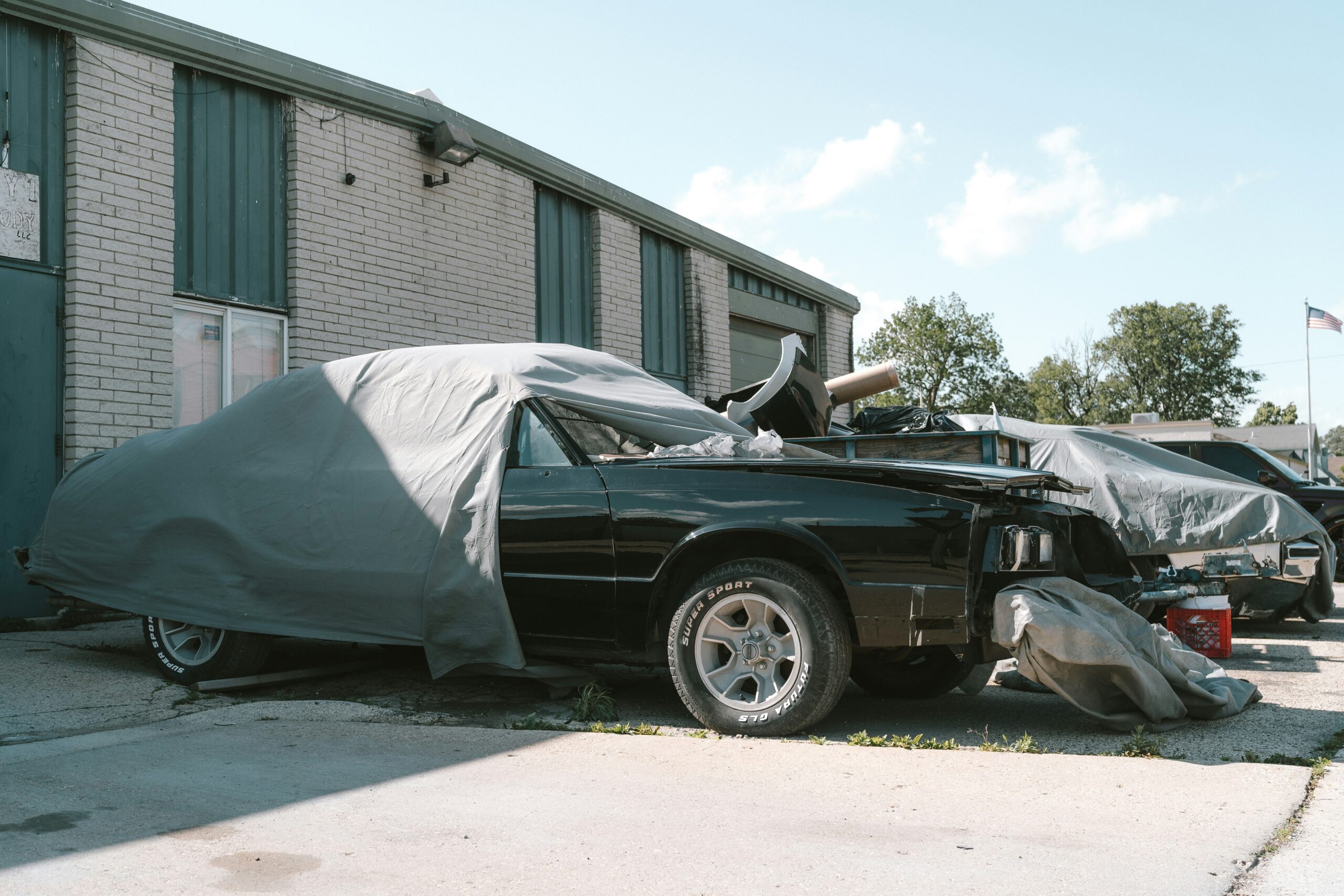
5 Things to Know About Auction Car Shipping Before You Place a Bid
Storage fees, yard rules, vehicle condition and hidden costs can turn an auction deal sour. Here are five things to know about auction car shipping before you place a bid.
Read more →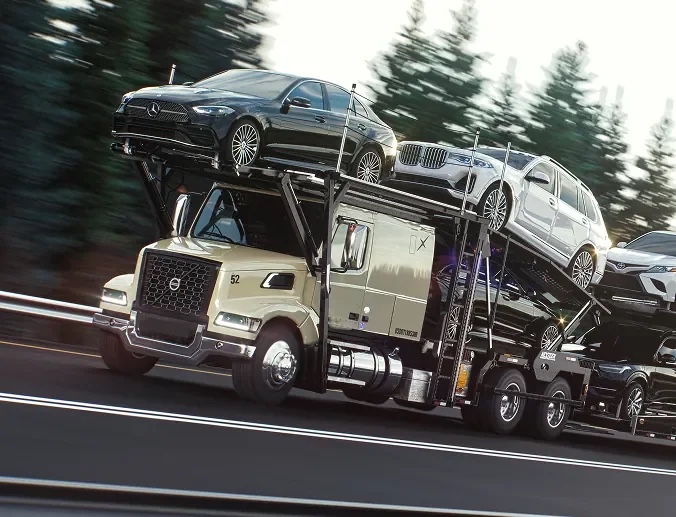
5 Things a Cheap Car Shipping Quote Might Leave Out
A low car shipping quote is only a deal if it covers the same shipment. Here are five things a cheap quote might leave out, the questions to ask, and how to compare quotes fairly.
Read more →