



 855-720-5244
Buying a Car Out of State? 4 Things to Know Before Shipping It Car Shipping Tips
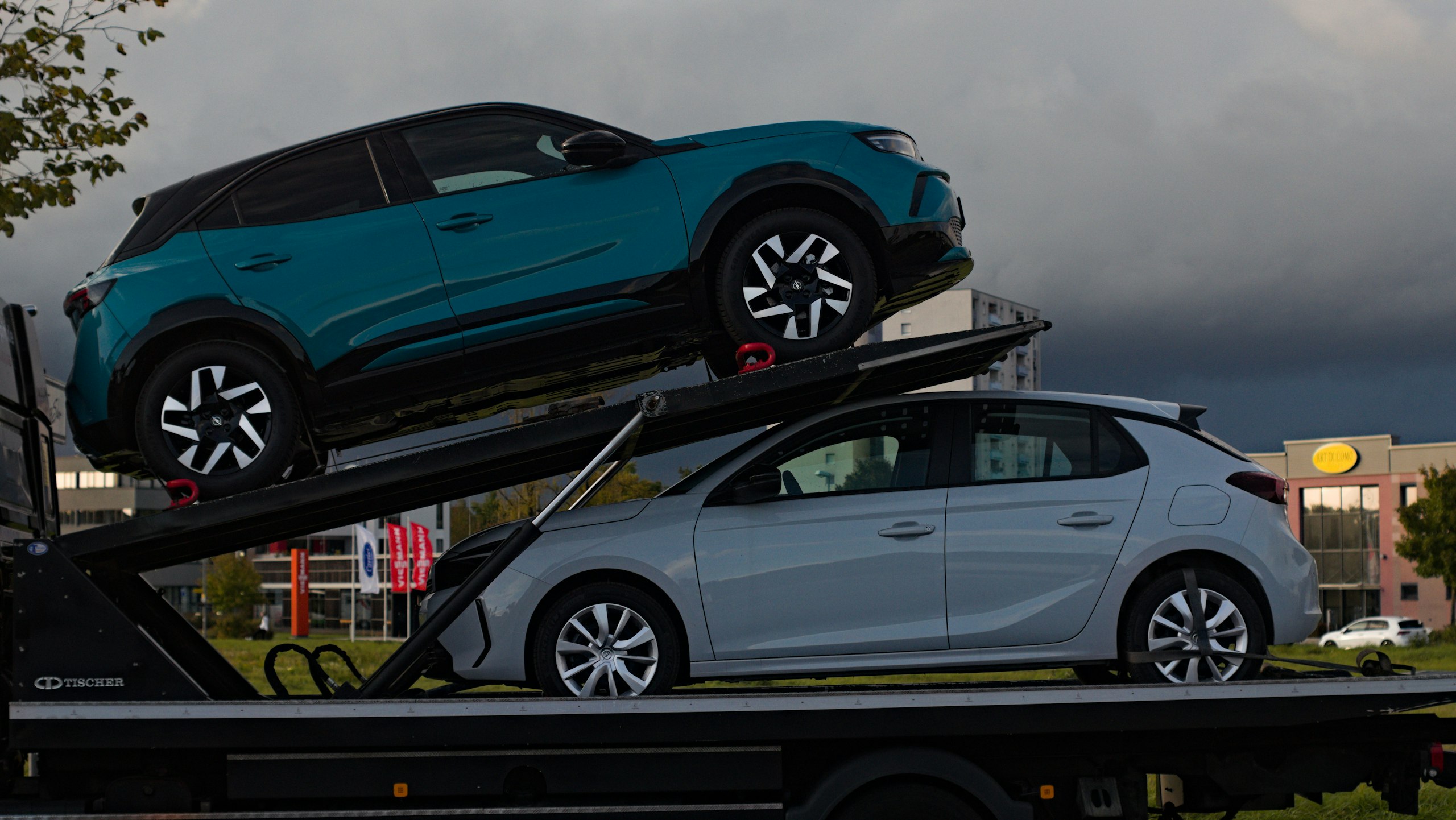
Car shopping no longer stops at the state line. Online marketplaces, nationwide dealer inventory and online auctions make it easy to find the exact make, trim and color you want — often at a better price — hundreds or even thousands of miles from home. For many buyers, the out-of-state deal is simply the best deal.
The catch is everything that happens after you agree on a price: taxes and registration across two states, making sure the car matches the listing, a pickup you probably will not attend, and getting the vehicle home. Flying out to drive it back adds airfare, hotels, fuel and days on the road — plus hundreds of miles on a car you just bought.
Shipping is usually the simpler path, and it works best when you plan for four things before the carrier arrives. Below, we walk through each one, explain how buying from a dealer, a private seller or an auction changes the process, and finish with a checklist. If you are ready to move the car now, our state-to-state car shipping page is a good place to start.
Why Buy a Car Out of State in the First Place?
- Wider selection. A national search turns up the exact configuration you want, not the closest thing on a nearby lot.
- Better prices. Trucks, convertibles and all-wheel-drive vehicles can cost noticeably less in some markets than in others.
- Cleaner cars. Buyers in the Northeast and Midwest often look to Sun Belt states for used cars that have never seen road salt.
- Specialty vehicles. The right classic, collector or exotic car is rarely in your hometown.
None of that matters if the purchase turns into a paperwork headache or the car shows up with surprises. That is where the four things below come in.
1. Taxes, Title and Registration Follow You Home
The most common misunderstanding about buying out of state is where you pay sales tax and register the car. In general, you pay tax and register the vehicle in the state where you live and will keep the car — not the state where you bought it.
Sales tax: where you register, not where you buy
Buying in a state with no sales tax does not usually mean you skip sales tax. When you register the car at home, your state will typically collect its own sales or use tax. Many dealers that sell to out-of-state buyers collect your home-state tax for you; others leave it to you to pay at registration. Some must collect their own state's tax, and your home state may credit what you already paid.
Before you sign, ask the seller exactly what tax is being collected and for which state, then confirm with your own DMV or tax agency that you will not end up paying twice.
Title and temporary tags
With a dealer purchase, the dealer usually handles the title application or provides the documents you need, and may issue a temporary tag. With a private sale, it is on you to make sure the title is right before any money changes hands:
- The seller's name on the title matches their photo ID.
- The VIN on the title matches the VIN on the car — check both the dashboard and the driver's door jamb.
- There is no active lien, or, if there is, you have a clear plan with the lender to pay it off and receive the title.
- The title is signed exactly where your state requires, with the odometer reading recorded if required.
You will also want a bill of sale that lists the price, date, VIN and both parties' names and addresses. Your DMV will almost certainly ask for it.
Inspections, emissions and VIN verification
Many states require a VIN verification for vehicles previously titled somewhere else — usually a quick check by the DMV, a law enforcement officer or a licensed inspector. Some states also require a safety inspection, an emissions test or both before the car can be registered.
Emissions rules deserve special attention. California, for example, generally will not register a new or nearly new vehicle (under 7,500 miles) bought out of state unless it is certified to California emissions standards, and several other states follow similar rules. If you live in one of those states, check the emissions label under the hood before you buy. Shipping to the West Coast? Our California car shipping page covers routes and timing.
Insurance
Once the car is yours, it needs insurance — even before it is registered. Most states require proof of insurance to register, and lenders require coverage before they will fund a loan. The carrier's cargo insurance protects the vehicle while it is in their care, but it is not a substitute for your own policy. Call your insurer before pickup and add the new vehicle by VIN. If you are financing the purchase, read Shipping a Leased or Financed Car for what lenders typically expect.
2. Verify the Car Before It Ships — Not After
When you buy locally, you can walk away from a car with a problem. Once an out-of-state car is loaded on a truck and delivered to your driveway, undoing the deal is much harder. Do your homework before you pay and before you book transport.
Check the history
- Run a vehicle history report from a provider like Carfax or AutoCheck to look for accidents, title brands, odometer problems and ownership history.
- Check the VIN through NMVTIS (the National Motor Vehicle Title Information System) for salvage, junk or flood brands.
- Look up open recalls on NHTSA's website using the VIN.
- Be extra careful with cars from flood-prone areas. After major hurricanes, flood-damaged vehicles can be cleaned up and sold in other states. A musty smell, silt under the carpets and corrosion in unusual places are all warning signs.
Get a pre-purchase inspection
If you cannot see the car in person, pay for an independent pre-purchase inspection. Mobile inspection services and local repair shops can examine the car, test-drive it and send you a report with photos — usually for far less than it would cost to discover a problem after delivery. A seller who refuses an inspection is giving you useful information.
Document the condition yourself
Ask the seller for a detailed walk-around video in daylight: every panel, the roof, wheels and tires, the interior, the odometer and a cold start. Save it along with the listing photos. These records help in two ways. They confirm you are getting what you paid for, and they give you a "before" reference if a question ever comes up about the car's condition at delivery.
Protect your payment
Remote car sales attract scammers, especially on marketplace listings. Be wary of prices far below market, sellers who will not get on the phone, pressure to pay by wire transfer or gift card, and sellers who insist on using "their" shipping company — some scammers even pose as transport companies themselves. For dealer purchases, verify the dealership's address and reviews. For private sales, consider an escrow service. Our guide on how to avoid auto transport scams covers the most common red flags.
3. Plan the Pickup — Because You Probably Will Not Be There
The biggest difference between shipping a car you already own and shipping a car you just bought is the pickup. When you move, you hand the keys to the driver yourself. When you buy out of state, someone else — a dealer, a private seller or an auction yard — has to release the car on your behalf. Most pickup delays on these orders come from release problems, not from the truck.
Buying from a dealership
Dealers are usually the easiest pickup. Their lots are commercial, truck-accessible and staffed, and many ship cars to out-of-state buyers every week. Before you book, confirm:
- The car is paid in full and the dealer has authorized its release.
- The name and phone number of the person who will hand over the keys.
- Business hours — many dealers close or run a skeleton crew on Sundays, and drivers need to know when they can arrive.
- That all keys, fobs and paperwork going with the car are ready at pickup.
Tiger Auto Transport works with dealerships every day; see our car dealer shipping service for details.
Buying from a private seller
Private sales take more coordination. The seller needs to be available during the pickup window, hand over the keys and walk through the driver's inspection. Settle these points with the seller in advance:
- Payment is complete and the title is signed over (or held in escrow) before the car is released.
- The seller understands that pickup dates are a window, not an exact appointment. Our article on why pickup dates are windows, not exact times is worth sending them.
- The street is truck-accessible. If the seller lives on a narrow residential street or in a gated community, agree on a nearby parking lot as a meeting point. See Why Some ZIP Codes Are Harder to Ship Cars To.
- What happens to the license plates. In many states, plates stay with the seller. Carriers can transport a car without plates, so this does not affect shipping.
Buying at an auction
Online auctions such as Copart, IAA and Manheim add their own rules. You typically need to pay in full, provide release paperwork or a gate pass, and get the car picked up quickly — storage fees can start after just a few days. Book transport as soon as you win the bid, and tell the shipping company whether the vehicle runs. Our auto auction shipping service is built around these timelines, and Can You Ship a Non-Running Car? explains what changes for inoperable vehicles.
The Bill of Lading when you are not present
At pickup, the driver inspects the car and records its condition on the Bill of Lading. Since you will not be standing there, ask the person releasing the car to review that inspection carefully and to send you photos from pickup. At delivery, inspect the car yourself and compare it against the pickup report before you sign. Learn more in What Is the Bill of Lading in Car Shipping?
4. Choose the Right Transport, Timing and Budget
With the paperwork and pickup sorted out, the last decision is the transport itself. A few choices make a big difference in cost and peace of mind.
Open or enclosed transport
Open carrier car shipping is the standard choice for most purchases. It is how dealerships move new inventory every day, it costs less, and there are far more open carriers on the road, which usually means faster pickup. Enclosed car shipping costs more but keeps the car out of weather and road debris. It makes sense if you bought a classic, a luxury or exotic car, a vehicle with fresh paint or low ground clearance, or anything you would not want exposed to winter roads. Our guide on when enclosed car shipping is worth the extra cost can help you decide.
Time the booking with the purchase
Get a shipping quote while you are still negotiating so you know the full cost of the deal, but book transport once the purchase is final and the car is ready for release. Most shipments go smoothly with one to two weeks of notice; peak seasons and remote locations may need more. If the seller has a hard deadline — a dealer that wants the car off the lot or an auction yard charging storage — ask about expedited shipping. For more on timing, see how far in advance you should book car shipping.
Prepare the car remotely
Normally you would wash the car, empty it and check the fuel level yourself. When buying remotely, ask the seller to:
- Leave about a quarter tank of fuel.
- Remove personal belongings, toll tags and garage door openers.
- Include every key, fob and owner's manual.
- Tell the driver about any mechanical quirks, alarms or leaks.
How Much Does It Cost to Ship a Car You Bought Out of State?
A car that is $2,000 cheaper three states away is only a deal if the savings survive taxes, fees, inspections and transport, so add shipping to the purchase price before you commit. Shorter regional moves cost less overall, long cross-country shipments cost less per mile, and dealership or auction pickups in major metros are generally easier to schedule than private-seller pickups in rural areas.
The main factors that move the price:
- Distance and route — busy interstate corridors cost less than remote destinations.
- Vehicle size and weight — trucks and large SUVs take up more space on the trailer.
- Running condition — inoperable vehicles need a winch and cost more to load.
- Open vs. enclosed — enclosed transport usually adds 30–60%.
- Season — demand spikes around holidays and during snowbird season.
For a breakdown of why prices differ from one company to the next, read Why Car Shipping Quotes Vary So Much. For an exact price, request a free quote with the seller's ZIP code, your ZIP code and the vehicle details.
How Long Does It Take?
Once the car is loaded, regional shipments of a few hundred miles often take 1–3 days, mid-distance moves 3–5 days, and coast-to-coast shipments about 7–10 days. Add the pickup window — usually a few business days — plus time for payment, title and release, and build in a buffer for weather or holiday traffic if you need the car by a specific date. Our coast-to-coast car shipping page explains what to expect on the longest routes.
Quick Checklist: Buying and Shipping a Car From Out of State
- Confirm which state's sales tax the seller will collect
- Check your state's VIN verification, inspection and emissions rules
- Verify the title, VIN and any liens before paying
- Run a history report and check for open recalls
- Order an independent pre-purchase inspection
- Get a detailed walk-around video from the seller
- Use a secure payment method and watch for scams
- Add the car to your insurance policy before pickup
- Confirm the release, contact person and pickup hours
- Choose open or enclosed transport
- Book transport once the purchase is final
- Inspect the car against the Bill of Lading at delivery
- Register the car within your state's deadline
Bring Your New Car Home the Easy Way
Buying a car out of state can get you a better price, a better vehicle or the exact car you have been hunting for. Handle the four essentials — taxes and registration, verifying the car, planning the release and choosing the right transport — and the distance stops being a problem.
Tiger Auto Transport ships purchased vehicles from dealerships, private sellers and auctions across the country, with experienced carriers, transparent pricing and door-to-door car shipping. Whether your new car is one state over or on the opposite coast, we will coordinate the pickup and bring it home. Request your free quote today.
FAQs
Do I pay sales tax in the state where I buy the car or where I live?
Usually where you register the car, which is typically the state you live in. Some dealers collect your home-state tax at the time of sale; otherwise you pay it when you register. Check with the seller and your DMV so you do not pay twice.
Can a car be shipped without license plates or registration?
Yes. Carriers routinely transport unregistered and unplated vehicles, including new cars from dealerships and vehicles bought at auction.
Do I need to be there when the car is picked up?
No. The dealer, seller or auction yard can release the car to the driver as long as payment is complete and the release is authorized. Ask for photos from the pickup inspection.
Is it cheaper to fly out and drive the car home?
Sometimes, for short distances. On longer trips, once you add airfare, hotels, fuel, meals, time off work and miles on the car, shipping is often comparable or cheaper — and far less stressful.
What if the car arrives damaged?
Note any new damage on the Bill of Lading before you sign at delivery, take photos, and contact the transport company to start a claim. See what happens if your car is damaged during transport.
Read also related blogs:
5 Things to Know About Auction Car Shipping Before You Place a Bid
Storage fees, yard rules, vehicle condition and hidden costs can turn an auction deal sour. Here are five things to know about auction car shipping before you place a bid.
Read more →
5 Things a Cheap Car Shipping Quote Might Leave Out
A low car shipping quote is only a deal if it covers the same shipment. Here are five things a cheap quote might leave out, the questions to ask, and how to compare quotes fairly.
Read more →