





 855-720-5244
Heading to Arizona for Winter? How to Get Your Car There Without the Long Drive Car Shipping Tips
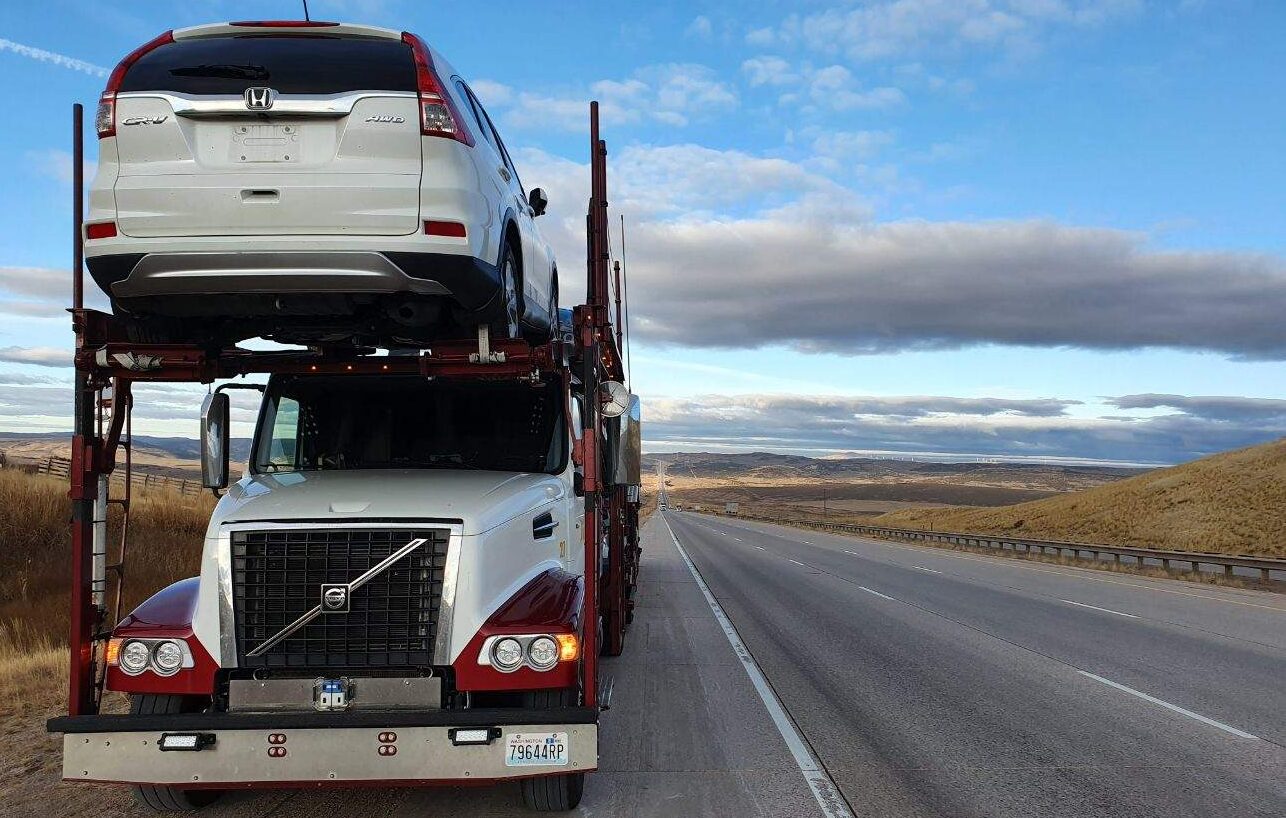
Every fall, hundreds of thousands of winter visitors trade snow shovels for golf clubs and head to Arizona. Retirees from Chicago, Minneapolis, Detroit and Milwaukee, families from Seattle and Portland, and remote workers from all over the country spend October through April in Phoenix, Scottsdale, Mesa, Tucson and Yuma. And nearly all of them want their own car once they get there.
The problem is the drive. From the Midwest, Arizona is 1,500 to 2,000 miles away — three or four long days on I-40, I-70 or I-80, often through snow in the Rockies or on the high plains, plus motels, meals, fuel and a few thousand miles of wear on your car. Then you get to do it all again in spring.
Shipping the car lets you skip all of that: hand over the keys at home, fly to Phoenix Sky Harbor or Tucson, and meet your car at your winter address. Here is how to do it smoothly, what it costs and how to plan the trip back. For state-specific details, see our Arizona car shipping page.
Why Shipping a Car to Arizona for Winter Works Differently
- Strong seasonal waves. Demand into Arizona builds from October through January as winter visitors arrive, then flips in March through May when everyone heads home. Prices and pickup windows shift with those waves.
- Long routes through winter weather. Cars coming from the Midwest, Mountain West and Pacific Northwest cross mountain passes and plains where snow and ice can slow carriers down.
- Popular, easy-to-serve destinations. The Phoenix metro and Tucson sit on major interstates, and carriers deliver there constantly, so most winter addresses are straightforward to reach.
- Gated and age-restricted communities. Many winter visitors stay in 55+ communities, golf resorts and RV parks with gates, HOA rules and narrow streets that a full-size car carrier cannot enter.
Driving vs. Shipping: What the Long Drive Really Costs
On paper, driving looks cheaper. In practice, the gap is smaller than most people expect once you add everything up:
- Fuel for 1,500–2,000 miles each way
- Two or three nights in hotels and a week of road meals across both trips
- Time — three to four days each direction, or six to eight days per season
- Wear and tear — up to 4,000 extra miles per year on tires, brakes and oil, plus lower resale value
- Winter driving risk on snowy stretches of I-80, I-70, I-25 and I-40 near Flagstaff
For many snowbirds — especially those who would rather not spend days behind the wheel — shipping is the clear winner. Read more in Why Choose Auto Transport Instead of Driving and our guide to how to ship your car and fly to your destination.
Step 1: Book Before the Fall Rush
The most common mistake winter visitors make is waiting until the week before they leave. From mid-October through December, carrier space into Arizona fills up quickly, and late bookings face higher rates and wider pickup windows.
- Book 2–3 weeks ahead for most of the year, and 3–4 weeks ahead for October through December.
- Avoid the holiday crunch. The weeks before Thanksgiving and Christmas are the tightest. Shipping in early October or early January usually saves money.
- Ship a few days before you fly. Pickup dates are windows, not exact appointments, so let the car leave first and plan to arrive around the time it does.
Our guides on how far in advance to book car shipping, why pickup dates are windows and why prices spike before holidays explain the timing in more detail.
Step 2: Choose Open or Enclosed Transport
Open carrier for most winter cars
Open carrier car shipping is the most affordable option and has the most trucks on the road, which means faster pickup. It is the right choice for most daily drivers, SUVs and second cars headed to a winter home.
Enclosed carrier for valuable cars and winter roads
Enclosed car shipping costs more but keeps the car out of the weather. On winter routes from the Midwest and Mountain West, that also means no road salt, slush or brine on the paint. It is worth considering for:
- Classic and collector cars you want to enjoy in the Arizona sun (see classic car shipping)
- Luxury, exotic and high-value vehicles (see luxury and exotic car shipping)
- Convertibles, fresh paint, custom wraps and low-clearance cars
- Any car you simply do not want exposed to winter roads
Not sure which to pick? Read When Enclosed Car Shipping Is Worth the Extra Cost.
Step 3: Plan Pickup and Delivery Around Gates and HOAs
A full-size car carrier is about 75–80 feet long. Many Arizona winter communities — 55+ developments, golf resorts and RV parks around Mesa, Scottsdale, Surprise, Sun City and Green Valley — do not allow large trucks past the gate, and their streets are not built for them. The same can be true at home in older neighborhoods, cul-de-sacs or snowy rural roads.
- Check your community's rules on large trucks and deliveries before you book, and share them with your transport company.
- Pick a meeting point just outside the gate, such as a shopping center or clubhouse lot. Drivers usually call ahead to coordinate.
- Arrange gate access if the truck can enter, and let the front desk or HOA know a carrier is coming.
- Have someone available. If you are not there for pickup or delivery, authorize a neighbor, friend, family member or community manager to release or accept the car.
Our door-to-door car shipping service gets as close to your address as is safe and legal, whether that is a home in Phoenix, a condo in Scottsdale, an RV resort in Mesa or a casita in Tucson. See why some ZIP codes are harder to ship cars to for more.
Step 4: Prepare the Car for Winter Pickup
Getting a car ready in a cold northern driveway is a little different from a typical shipment:
- Wash the car a day or two before pickup — even in winter — so existing scratches and dents are visible on the inspection report.
- Take dated photos and video of every panel, the wheels, the interior and the odometer.
- Check the battery. Cold weather weakens batteries, and a car that will not start at pickup causes delays. If the battery is old, replace it before you ship.
- Check tire pressure and fluids, and make sure the antifreeze is in good shape for the cold leg of the trip.
- Leave about a quarter tank of fuel, and charge EVs to around 30–50%.
- Remove toll tags such as I-PASS or E-ZPass so they are not charged along the way, plus garage openers and loose items.
- Clear out personal belongings. They are generally not covered by the carrier's cargo insurance and add weight.
Our full guide to preparing your car for shipping covers every step, and Can You Put Personal Items in Your Car During Transport? explains the rules on belongings. At delivery, use our list of 7 things to check before signing the Bill of Lading.
Step 5: Sort Out Insurance, Registration and the Trip Home
Insurance and registration
Tell your insurance company the car will be garaged in Arizona for part of the year, and make sure your registration will not expire while you are away — renewal notices often go to your home address. Arizona generally treats people who stay seven months or more in a calendar year as residents, so a typical October-to-April stay can come close. If you become a resident, take a job in Arizona or plan to stay longer, check the ADOT Motor Vehicle Division's residency rules, since residents are expected to register their vehicles in Arizona.
Book the return trip early
Northbound demand peaks from March through May, when Arizona's winter visitors all head home at once. If you know your spring date, book it by February or early March. Many snowbirds arrange both legs at once with our seasonal vehicle relocation service, so the trip home is handled before the season even starts.
Mind the spring heat
If you stay into May, the Arizona sun is already strong. Remove sunscreen, aerosols and electronics before the car ships home. Our post on heat and car shipping has more tips.
How Much Does It Cost to Ship a Car to Arizona?
Price depends on your exact ZIP codes, vehicle size, transport type and timing. As a general guide, shipping a standard sedan on an open carrier from the Upper Midwest to the Phoenix area typically runs roughly $1,100–$1,600. Shorter trips — from Denver, Salt Lake City or Southern California — cost less, while the Northeast costs more. SUVs and pickups cost more, and enclosed transport usually adds 30–60%. Peak weeks in late fall push prices toward the higher end.
- Distance — Chicago to Phoenix is about 1,750 miles; Minneapolis is about 1,650; Seattle is about 1,400.
- Season and direction — southbound in fall and northbound in spring are the most expensive.
- Location — Phoenix and Tucson are easy to serve; rural towns and remote resorts cost a bit more.
- Vehicle and transport type — larger vehicles and enclosed trailers cost more.
See our car shipping cost guide and how seasonality affects car shipping costs, or request a free quote for an exact price.
How Long Does It Take?
Once the car is picked up, transit to Arizona usually takes 3–5 days from the West Coast or Mountain West and 5–8 days from the Midwest or Northeast. Add a pickup window of typically one to five business days. Winter storms on northern routes can add a day or two, so build in a buffer. Learn more about how weather disrupts car shipping routes.
Quick Checklist: Shipping Your Car to Arizona for Winter
- Book 3–4 weeks ahead for October–December
- Choose open or enclosed based on the car's value and winter roads
- Check your community's rules on large trucks and pick a meeting point
- Authorize someone to release or receive the car if you cannot be there
- Wash the car and take dated photos
- Check battery, tires and fluids; leave about ¼ tank
- Remove toll tags, garage openers and personal items
- Tell your insurer the car will be garaged in Arizona
- Inspect the car and the Bill of Lading at pickup and delivery
- Book the spring return trip by February or early March
Spend Your Winter in the Sun, Not on the Interstate
Shipping your car to Arizona means no snowy passes, no motel nights and no extra miles — just a flight, a warm welcome and your own car waiting for you. Tiger Auto Transport moves winter visitors' vehicles to Phoenix, Scottsdale, Mesa, Tucson and beyond every season, with licensed, insured carriers and door-to-door service. Explore our Arizona car shipping page, see routes like Illinois to Arizona, Minnesota to Arizona and Washington to Arizona, or get your free quote today.
FAQs
When should I ship my car to Arizona for the winter?
Book three to four weeks ahead if you are heading south between October and December. Early October and early January are usually the easiest and most affordable times to ship.
How much does it cost to ship a car to Arizona?
From the Upper Midwest to the Phoenix area, a standard sedan on an open carrier typically costs roughly $1,100–$1,600. Shorter routes cost less, and enclosed transport costs more.
How long does it take to ship a car to Arizona?
Usually 3–5 days of transit from the West Coast and 5–8 days from the Midwest or Northeast, plus a pickup window of a few business days.
Can the truck deliver inside my gated community?
Sometimes, but many 55+ communities and RV resorts do not allow large trucks. The driver will usually meet you at a nearby truck-accessible spot, such as a shopping center lot.
Do I need to register my car in Arizona if I only stay for the winter?
Generally not, as long as you remain a resident of your home state. Arizona treats people who stay seven months or more in a calendar year as residents, so check ADOT MVD rules if your stay is long.
Can I book the return trip at the same time?
Yes. Booking both legs early, especially the spring trip home, helps you avoid the March–May northbound rush.
Read also related blogs:

Seattle to Dallas Car Shipping: What Affects Your Price and Pickup Date?
Shipping a car from Seattle to Dallas? Here is what drives the price and the pickup date on this 2,100-mile route, from mountain passes and ferries to seasonal demand, plus what to do when the car arrives in Texas.
Read more →Ship or Sell Your Car Before Moving? Compare These 5 Costs
Moving to a new state and not sure whether to ship your car or sell it? Compare these five costs, from a rushed sale and sales tax to insurance and time without a car, before you decide.
Read more →