





 855-720-5244
How Weather Events Disrupt Car Shipping Routes Moving
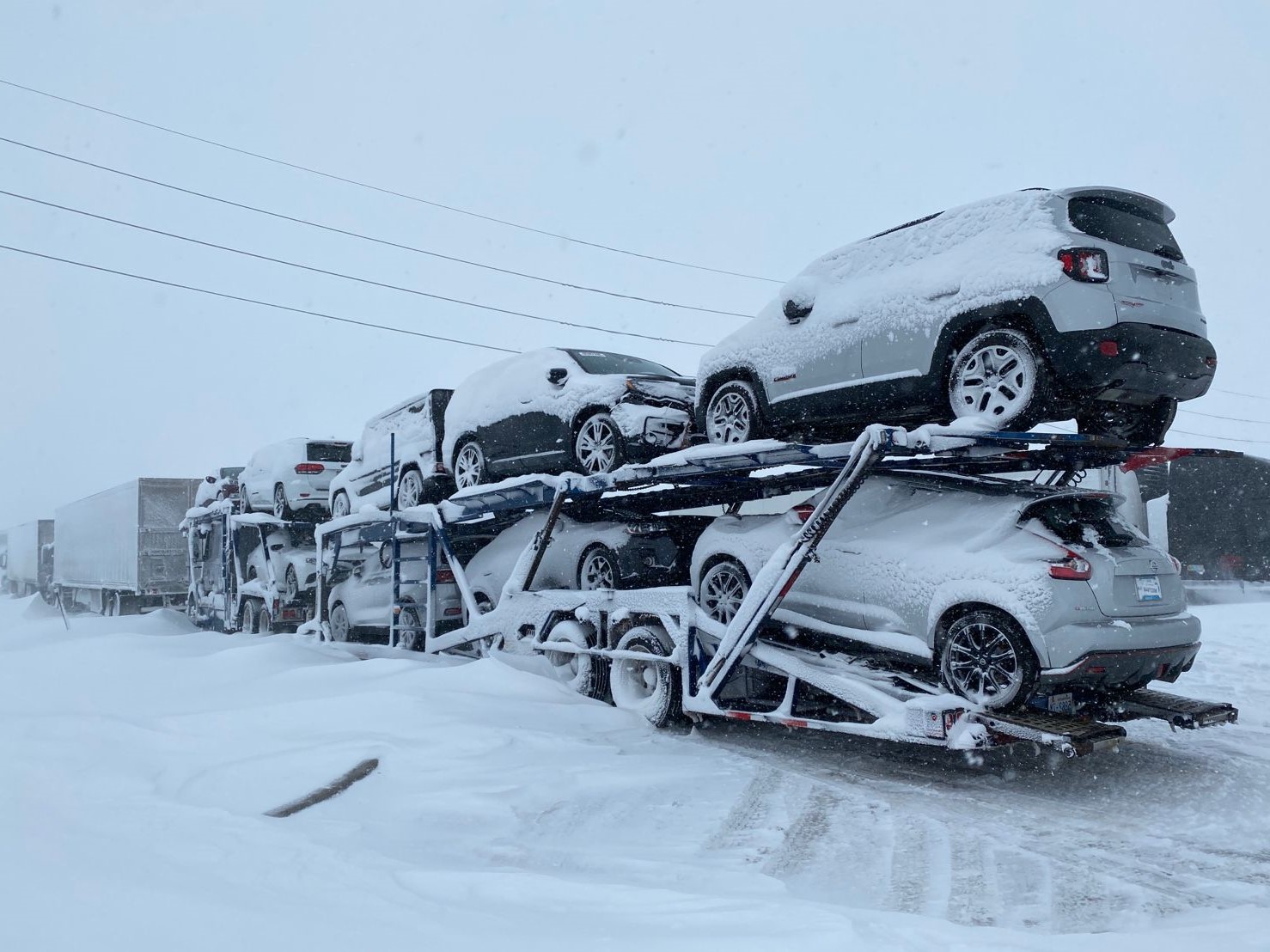
Weather is one of the few factors in auto transport that no company can fully control.
Even with perfect planning, experienced drivers, and optimized routes, severe weather events can—and do—disrupt car shipping across the country.
Snowstorms, hurricanes, floods, wildfires, and extreme heat don’t just slow trucks down. They reshape entire transport networks, change carrier availability, and affect pricing, timing, and routing decisions.
In this article, we’ll explain how weather events disrupt car shipping routes, what actually happens behind the scenes, and how you can reduce the impact on your shipment.
Why Weather Has Such a Big Impact on Auto Transport
Auto transport relies on: predictable routes, legal driving hours, safe loading and unloading conditions, and coordinated multi-vehicle schedules. Weather interferes with all of these at once. Unlike personal driving, car carriers cannot reroute freely, must follow strict regulations, carry multiple customer vehicles, and operate large, heavy trucks with height and weight limits. A single weather event can disrupt dozens of shipments at the same time.
Winter Storms, Ice, and Freezing Rain
Winter storms are one of the most common causes of delays, impacting northern states, mountain passes, and Midwest corridors. Snow and ice create road closures, reduced speed limits, and unsafe loading conditions. Carriers may be forced to pause routes entirely, reroute hundreds of miles, or delay pickups and deliveries. Even areas with light snow can cause issues if local authorities restrict commercial truck movement.
Freezing rain is more dangerous than snow because it creates invisible road hazards, drastically increases stopping distance, and makes loading ramps unsafe. Most professional carriers will not load or unload vehicles during icy conditions, even if roads appear open. This is a safety decision, not a service failure.
Hurricanes, Flooding, and Wildfires
Hurricanes don’t just affect coastal areas—they cause port closures, fuel shortages, road flooding far inland, and evacuations and emergency restrictions. During hurricanes, carriers may pull trucks out of affected regions, avoid entire states temporarily, and prioritize driver safety over schedules. This is especially common on Florida, Gulf Coast, and Southeast routes.
Flooding is unpredictable and often localized, causing washed-out roads, hidden damage under water, and sudden route closures. Even when highways reopen, carriers may avoid flooded areas until conditions stabilize. Loading and unloading also becomes risky if ground is unstable or parking areas are waterlogged.
Wildfires affect car shipping more than many people realize. They can cause highway shutdowns, mandatory evacuations, and reduced visibility from smoke. Carriers may reroute hundreds of miles to avoid fire zones, increasing transit time, changing delivery sequences, and affecting fuel costs. These disruptions are common in western states during late summer and fall.
Extreme Heat and How Weather Disrupts Route Planning
Extreme heat isn’t just uncomfortable—it’s operationally risky. High temperatures affect tires, brakes, engines, and hydraulic systems. During heatwaves, carriers may drive fewer hours, routes may be adjusted, and breakdowns become more likely. Extreme heat can also limit loading times, especially on enclosed trailers.
Auto transport routes are planned for efficiency, not emergencies. When weather hits, carriers must rebuild routes mid-transit, drop or reorder deliveries, and delay pickups to keep schedules legal. One delayed route can affect multiple shipments across several states. Not all routes respond to weather the same way—mountain routes, rural highways, coastal corridors, and low-demand lanes are hit harder. High-demand routes recover faster because carriers can replace disrupted routes more easily.
Pickup Challenges, Pricing Impact, and What Companies Do
Weather doesn’t just affect driving—it affects access. Flooded streets, snow-blocked neighborhoods, and emergency parking restrictions can prevent pickup or delivery at the planned location. Carriers may request alternate meeting points to safely complete the pickup or delivery. This is normal and helps avoid damage or further delays.
Weather doesn’t directly raise prices, but it changes market conditions. When weather disrupts routes, fewer carriers are available, operating costs increase, and demand may spike—leading to temporarily higher quotes, wider pickup windows, and premium pricing for urgent shipments.
Reputable companies focus on driver safety, vehicle protection, and regulatory compliance. This may mean delaying shipments, communicating updated timelines, and adjusting routes dynamically. While frustrating, these decisions protect your vehicle and prevent larger issues.
How to Reduce Weather-Related Delays
You can’t control the weather—but you can plan around it. Best practices include avoiding peak weather seasons when possible, booking earlier during winter or hurricane season, staying flexible with pickup windows, and keeping communication lines open. Flexibility is the single biggest factor in minimizing weather-related disruption.
Normal during severe weather: pickup delays of several days, route adjustments, and revised delivery windows. Red flags: no communication, vague explanations unrelated to weather, and repeated rescheduling without clarity.
Final Thoughts
Weather events disrupt car shipping routes because auto transport is a safety-first, regulation-driven industry.
Snow, storms, floods, fires, and heat don’t just slow trucks—they reshape logistics in real time.
Understanding how weather affects routes helps you set realistic expectations, avoid unnecessary stress, and choose smarter timing and flexibility.
A professional auto transport company doesn’t fight the weather—they work around it to protect your vehicle.
FAQs
Do weather delays happen often in car shipping?
Yes, especially during winter, hurricane season, and extreme weather events.
Can my shipment be canceled due to weather?
It may be delayed or rescheduled, but cancellations are rare.
Does weather affect pricing?
Indirectly, yes—by reducing carrier availability and increasing demand.
Are some routes more weather-sensitive?
Yes. Mountain, coastal, and rural routes are affected more often.
Can I avoid weather-related delays completely?
No, but early booking and flexibility reduce the impact significantly.
Read also related blogs:
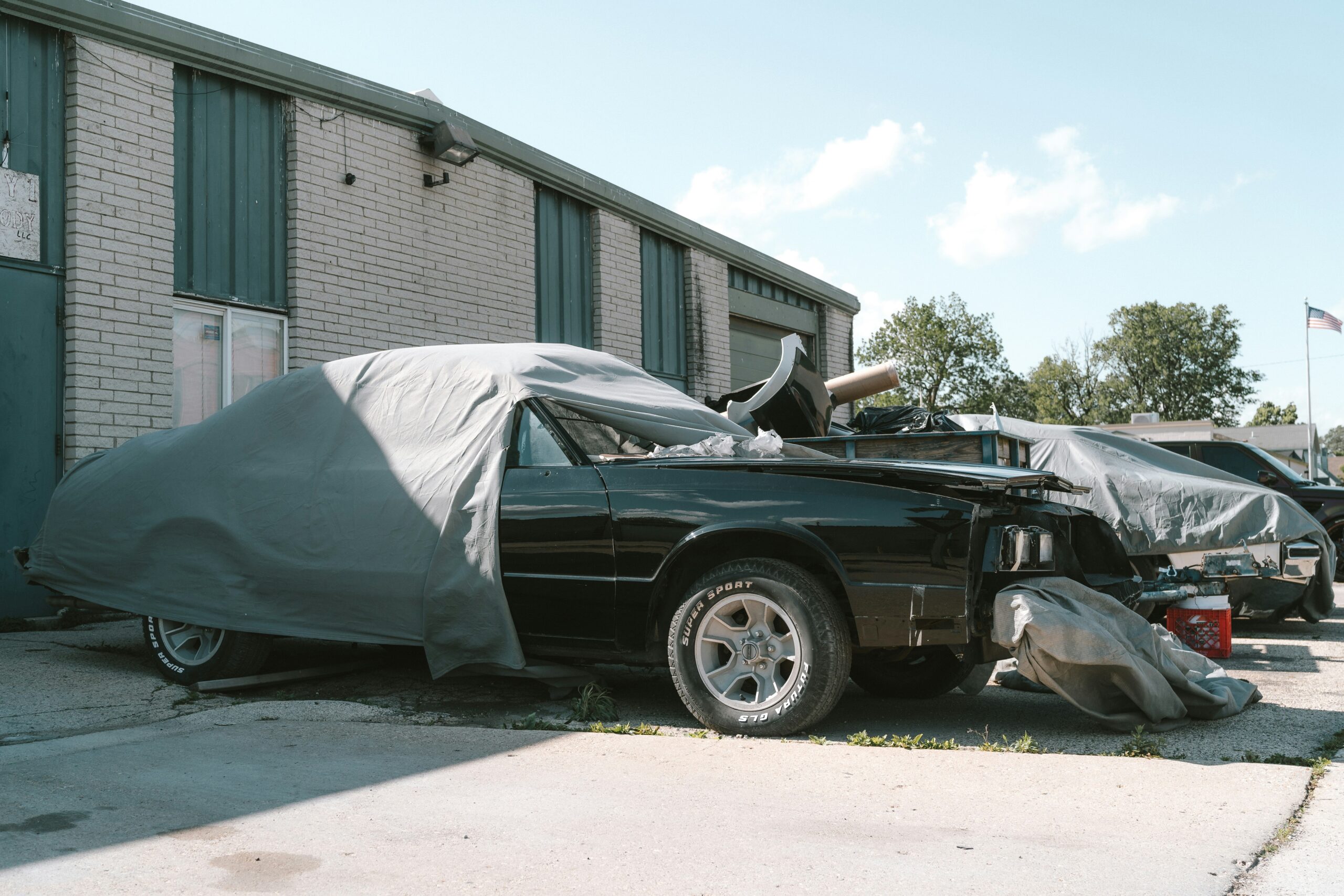
5 Things to Know About Auction Car Shipping Before You Place a Bid
Storage fees, yard rules, vehicle condition and hidden costs can turn an auction deal sour. Here are five things to know about auction car shipping before you place a bid.
Read more →
5 Things a Cheap Car Shipping Quote Might Leave Out
A low car shipping quote is only a deal if it covers the same shipment. Here are five things a cheap quote might leave out, the questions to ask, and how to compare quotes fairly.
Read more →