




 855-720-5244
Can You Ship a Car Without License Plates? What to Check Before Booking Car Shipping Tips
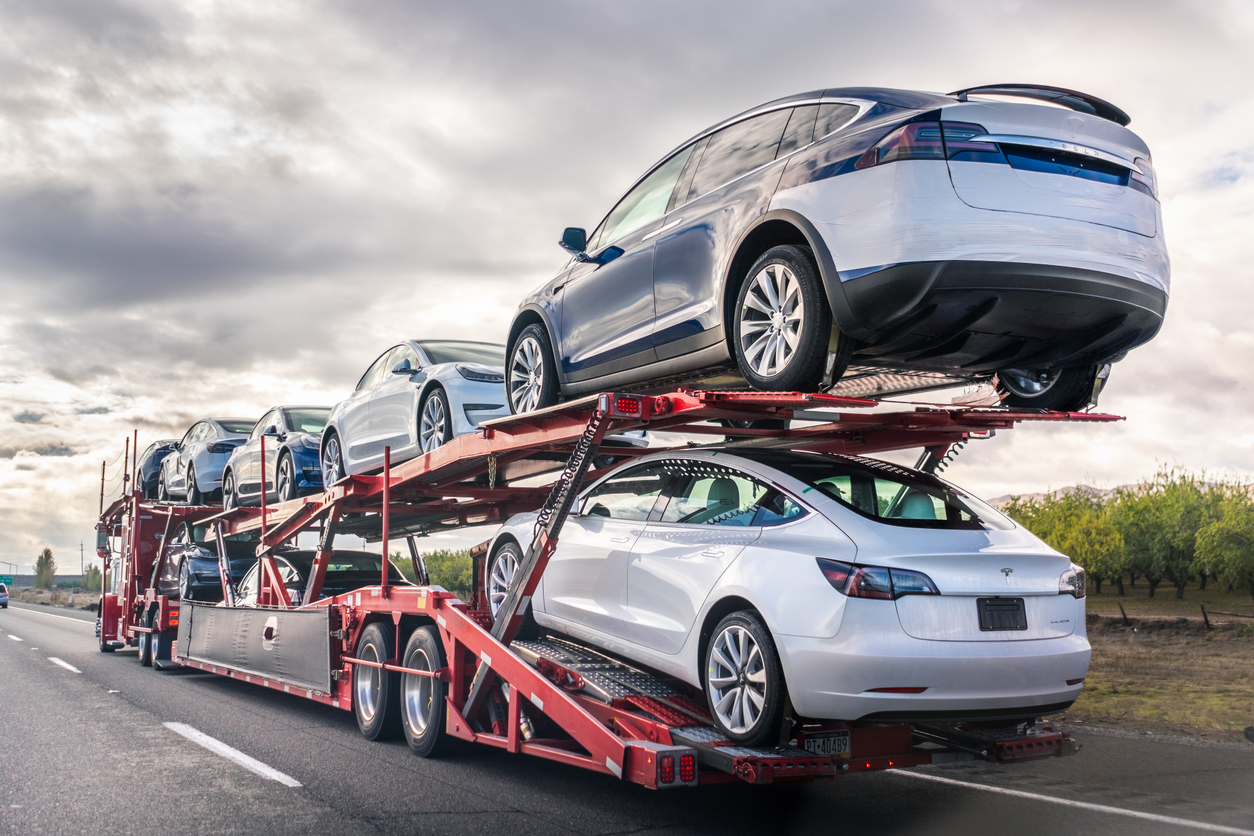
Maybe you just bought a car from a private seller who kept the plates. Maybe you bought it at an auction, the registration expired while it sat in a garage or you are moving to a new state and already turned in your old plates. Whatever the reason, the car needs to travel and there is nothing on the bumper. Can it still be shipped?
In most cases, yes. A car on a carrier is cargo, not a vehicle being driven on public roads, so plates and current registration usually are not required for the trip itself. But "usually" is not "always." What the transport company needs from you, and what you will need once the car arrives, depends on your situation.
Here is how shipping a car without license plates works, which documents to have ready, the situations that need extra care and what to check before you book.
Why Plates Are Usually Not Required
License plates and registration are mostly about driving on public roads. When a car is loaded onto a carrier, it is not being driven. It is being hauled, the same way a dealer moves new inventory that has never had plates. That is why auto transport companies regularly move:
- Cars bought from private sellers who kept their plates
- Vehicles bought at auctions, which often have no plates at all. See our auto auction shipping service
- New and used inventory moving between dealerships. See car dealer shipping
- Project cars, classics and stored vehicles with expired registration
- Cars whose owners turned in their plates before a move
The car will still be driven a short distance on and off the truck by the driver, which is part of the loading process, not road use.
What the Transport Company Will Actually Ask For
Plates are rarely the issue. What matters more is showing that the car is yours to ship, or that you have permission to ship it. Policies vary by company, so ask before you book, but be ready with:
- Proof of ownership. A title, a signed bill of sale or a dealer or auction invoice. Some carriers want to see it at pickup; others only need the details.
- A readable VIN. The vehicle identification number on the dashboard and door jamb should match your paperwork. Without plates, the VIN is how the car is identified on the bill of lading.
- Accurate vehicle details. Year, make, model, color and whether the car runs.
- Contact details at both ends. The names and phone numbers of whoever releases the car and whoever accepts it.
- A release or gate pass if the car is at an auction, impound lot, storage facility or dealership.
If you are shipping a car you do not own yet, such as one you are buying from a seller in another state, the seller usually releases it at pickup. Make sure the sale is final and paid first. Read Buying a Car Out of State: What to Know Before Shipping.
Situations That Need Extra Care
You just bought the car privately
In many states, plates stay with the seller, so the car you buy may have none. That is normal for shipping. Keep the signed title and bill of sale handy, and confirm with the seller who will be at pickup to hand over the keys. If you are on the other side of the deal, see Selling a Car to an Out-of-State Buyer? How to Handle Shipping.
The car came from an auction
Auction cars almost never have plates, and many auctions have strict pickup rules: a gate pass or release, specific pickup hours and storage fees if the car is not picked up in time. Book transport quickly after you win. Read Auction Car Shipping: What to Know Before You Bid.
The registration expired
An expired registration usually does not stop transport. But if the car has been sitting for a long time, check that it still starts, steers and brakes, since that affects how it is loaded. A car that does not run needs a carrier with a winch. See Can You Ship a Non-Running Car?
There is a loan, lease or lien
If a lender or leasing company holds the title, you may need their permission to move the car to another state. Check before you book. Read Shipping a Leased or Financed Car.
The car has a salvage or rebuilt title
Salvage and rebuilt vehicles can usually be shipped, but tell the transport company up front. Damage can affect loading, and some carriers have their own rules for these vehicles.
You are moving to a new state
Rules on returning or keeping old plates differ from state to state. If you can, keep your current plates and registration on the car until it reaches your new home, then register it there. If you have already turned the plates in, shipping is still fine. See our moving to a new state car shipping checklist.
Plan for What Happens After Delivery
Shipping without plates is easy. Driving without plates is not. Once your car arrives, you generally cannot drive it on public roads until it is registered or has a valid temporary permit. Before delivery day:
- Look up your state's rules for registering a car bought out of state or brought in from another state, including inspections, emissions tests and the documents required.
- Ask about temporary tags or a transit permit if you need to drive the car to the DMV or an inspection station.
- Arrange insurance before you drive the car anywhere.
- Choose a delivery spot where the car can sit legally, such as a driveway or garage, until it is registered. Leaving an unplated car on a public street can lead to a ticket or a tow in many areas.
If you will not be home when it arrives, someone else can accept it for you. Read Your Car Arrives Before You Do: Who Can Accept the Delivery?
Should You Leave the Plates On or Take Them Off?
If your car has plates and they belong to you, it is usually fine to leave them on during transport. They help identify the car, and many states expect the plates to stay with the owner's vehicle until it is registered elsewhere.
If you take plates off, do not leave them loose inside the car. Loose items can shift during transport, and personal items are generally not covered by the carrier's insurance. Pack them with your belongings instead. See Can You Put Personal Items in Your Car During Transport?
Either way, remove toll transponders so you are not charged for tolls along the truck's route.
Preparing an Unplated Car for Pickup
- Gather your paperwork: title or bill of sale, any auction or dealer release and your order details.
- Check that the VIN is readable on the dashboard and door jamb.
- Clean the car and take dated photos of every panel, the wheels, the interior and the odometer.
- Leave about a quarter tank of fuel and remove personal items and toll tags.
- Tell the transport company if the car does not run, has low clearance or has damage.
- Have the keys ready, including any spare the driver may need.
Our full preparation guide covers the rest, and Your Car Just Arrived: 7 Things to Check Before Signing helps at delivery.
Questions to Ask Before You Book
- Do you require plates or current registration for this shipment?
- What proof of ownership do you need, and when do you need it?
- Does the pickup location, such as an auction or storage lot, have its own release rules or deadlines?
- Can you handle a car that does not run, or one with a salvage title, if that applies?
- Who needs to be present at pickup and delivery?
Clear answers up front prevent surprises on pickup day. A company that does not ask about ownership at all may not be doing its homework. Read how to avoid auto transport scams.
Quick Checklist: Shipping a Car Without Plates
- Confirm the transport company's policy on plates and registration
- Have the title, bill of sale or auction or dealer release ready
- Make sure the VIN is readable and matches your paperwork
- Check for loans, leases or liens that need lender approval
- Mention non-running, damaged or salvage-title vehicles up front
- Pack plates separately if you removed them, and take out toll tags
- Plan registration, temporary tags and insurance at the destination
- Choose a delivery spot where an unplated car can sit legally
Ship Your Car With or Without Plates
Tiger Auto Transport moves private sales, auction purchases, dealer inventory, project cars and moving-day vehicles across the country every day, plates or not. Our licensed, insured carriers offer door-to-door service, and we will tell you exactly what paperwork you need before pickup. Explore state-to-state car shipping or get your free quote today.
FAQs
Can you ship a car without license plates?
In most cases, yes. A car on a carrier is being hauled, not driven, so plates are usually not required for transport. Policies vary by company, so confirm before you book.
Can you ship a car with expired registration?
Usually, yes. Expired registration typically does not stop transport, but you will need to register the car before driving it at the destination.
What documents do I need to ship a car without plates?
Most often, proof of ownership such as a title, bill of sale or auction or dealer invoice, plus a readable VIN. Auctions, storage lots and dealerships may also require a release or gate pass.
Can I drive the car after it is delivered without plates?
Generally not on public roads. You will need to register the car or get a temporary permit first. Check your state's rules before delivery.
Should I leave my plates on the car during shipping?
If the plates are yours and valid, leaving them on is usually fine. If you remove them, pack them with your belongings instead of leaving them loose in the car.
Can I ship a car I just bought before it is in my name?
Often, yes, as long as the sale is complete and you have a signed bill of sale or title. The seller or auction usually releases the car at pickup.
Read also related blogs:

Seattle to Dallas Car Shipping: What Affects Your Price and Pickup Date?
Shipping a car from Seattle to Dallas? Here is what drives the price and the pickup date on this 2,100-mile route, from mountain passes and ferries to seasonal demand, plus what to do when the car arrives in Texas.
Read more →
Ship or Sell Your Car Before Moving? Compare These 5 Costs
Moving to a new state and not sure whether to ship your car or sell it? Compare these five costs, from a rushed sale and sales tax to insurance and time without a car, before you decide.
Read more →