



 855-720-5244
5 Things to Know About Auction Car Shipping Before You Place a Bid Car Shipping Tips
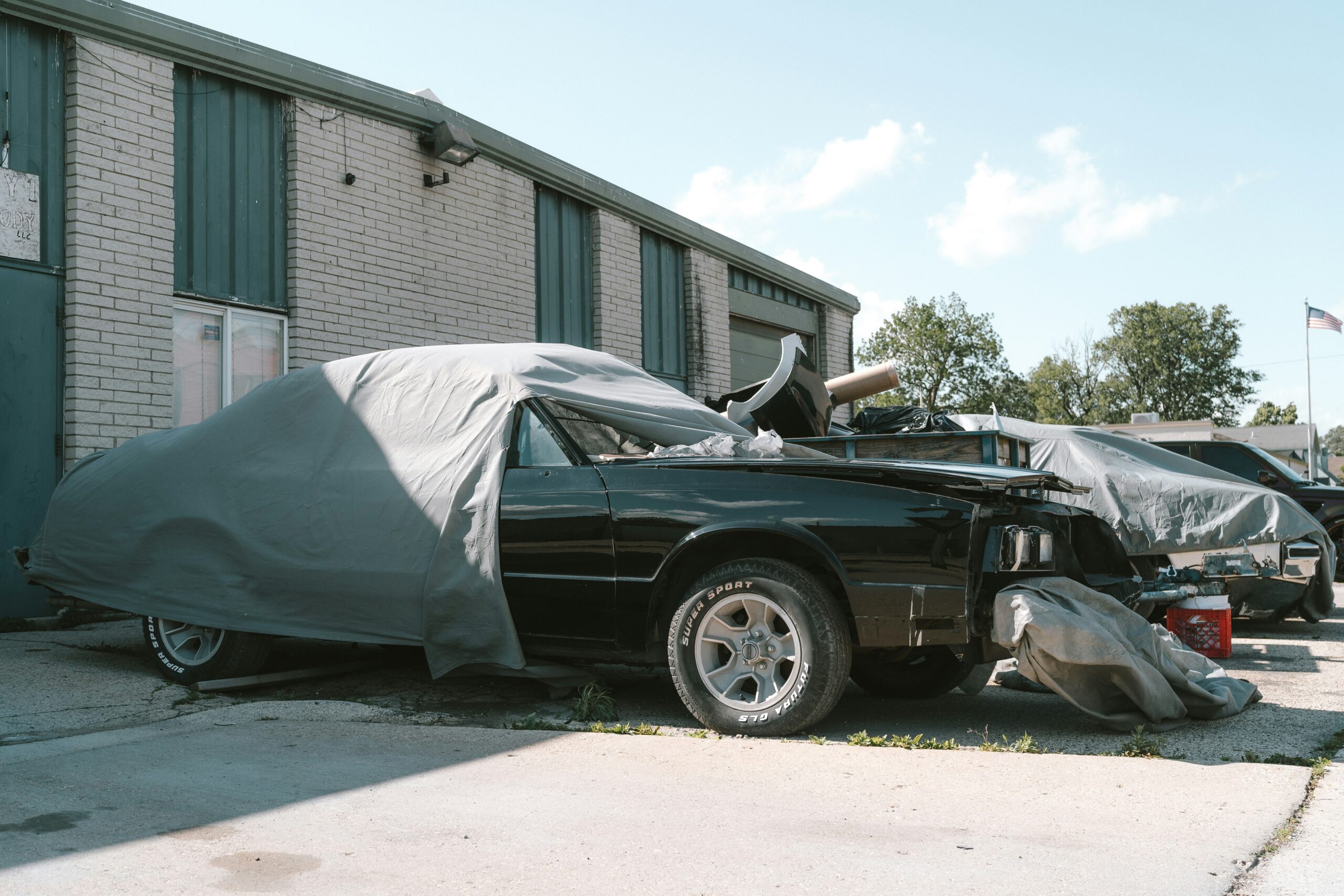
Auto auctions are one of the best places to find a deal. Insurance auctions, dealer auctions and online enthusiast platforms put thousands of vehicles in front of buyers every week, often below retail. But the hammer price is only part of the story. Once you win, the car has to leave the auction yard — usually fast, often from hundreds of miles away, and sometimes in a condition that makes shipping more complicated than a normal move.
Many buyers think about transport only after the auction ends. That is when storage fees start adding up, release paperwork gets confusing and a car that "starts" turns out to need a winch. The smarter approach is to understand auction shipping before you place a bid, so the transport cost and timeline are already part of your decision.
Below are the five things to know, how dealer, salvage and online auctions differ, and a checklist to run through before you bid. If you have already won and need a car moved now, go straight to our auto auction shipping service.
Why Auction Car Shipping Works Differently
Shipping a car you already own is mostly about your schedule. Shipping an auction car runs on the auction's schedule. The vehicle sits in a yard you do not control, under rules you did not write, and it has to be paid for, released and removed within set timeframes. The person handing the car to the driver is a yard employee, not you or a private seller, and the car itself may be damaged, missing keys or unable to roll.
None of this makes auction cars hard to ship. It just means the details matter more — and most of them can be sorted out before the auction even starts.
1. The Shipping Clock Starts the Moment You Win
Auctions want sold vehicles off the lot quickly. Most set a short deadline to pay for the car and then charge daily storage once a limited number of free days runs out. At many yards, that grace period is only a few business days after the sale or payment. Miss the payment deadline and you may face late fees or even lose the vehicle.
Why it costs you
Storage fees are charged per day, per vehicle. A shipment booked a week after the sale can easily rack up fees before a carrier ever arrives, and on a low-priced car those fees can eat a real share of the savings that drew you to the auction. Weekends, holidays and limited yard hours make the window shorter than it looks on the calendar.
How to avoid it
- Read the auction's payment and storage terms before you bid, since they vary by auction and even by yard location.
- Get a shipping quote before the sale so you can book the moment you win instead of starting from scratch.
- Pay promptly. Carriers generally cannot pick up a vehicle until it is paid for and released.
- Ask about faster options if the storage clock is already running. Our expedited shipping service prioritizes carrier assignment for time-sensitive pickups.
For a look at what happens behind the scenes after you book, see What Happens Between Booking and Pickup in Auto Transport.
2. The Yard's Location and Rules Shape the Cost
Online bidding makes every auction feel local, but the car is still sitting in a specific yard. With online platforms, that yard may be in another state from where you are bidding, and two identical cars can carry very different shipping costs depending on where each one is parked.
Check the exact pickup location
Before you bid, find the yard address on the listing. Large auction facilities near major interstates are easy for carriers to reach and fit into existing routes. Smaller or rural yards may require a driver to detour, which can mean a higher price or a longer wait for pickup. Our article on why some ZIP codes are harder to ship cars to explains how location affects pricing.
Know the yard's pickup rules
Auction yards have procedures every transporter must follow, and a missing detail can turn a driver away at the gate:
- Release documents. Most auctions issue a gate pass, release form or pickup authorization tied to the lot or stock number. The driver usually needs it to take the car.
- Pickup hours. Yards often have limited loading hours and are usually closed on weekends and holidays.
- Appointments. Some locations require transporters to schedule a pickup time in advance.
- Authorized transporters. Some auctions require the carrier to be named or registered before release.
Share all of this with your shipping company as soon as you have it. Clear release details are the single biggest factor in a smooth auction pickup.
3. The Vehicle's Condition Changes How It Ships
A large share of auction vehicles — especially at salvage and insurance auctions — are damaged, non-running or missing parts. Carriers can ship them, but they need to know exactly what they are loading.
Read condition labels carefully
Listings often use labels such as "Run and Drive," "Engine Starts" or "Stationary." These describe the vehicle's condition when the auction checked it in, not necessarily on pickup day. A battery can die after weeks in a yard, and "engine starts" does not mean the car can drive, steer or brake. If there is any doubt, plan for the car to be inoperable.
Tell the shipping company everything
- Does it run, roll, steer and brake? A car that does not run but can roll and steer is far easier to load than one with locked wheels.
- Are the keys included? Missing keys can affect steering, gear selection and loading.
- Are all four wheels and tires in place? Missing wheels or flat tires change how the car is loaded.
- Are there loose parts? Hanging bumpers, broken glass or detached panels must be secured before transport.
- Is it oversized or modified? Lifted trucks, dually pickups and large vans take more trailer space.
Inoperable vehicles usually need a carrier with a winch, and fewer carriers have one, so the price is higher and pickup may take a little longer. Many salvage yards load vehicles onto the truck with a forklift, which helps, but the carrier still has to unload at your end. Read Can You Ship a Non-Running Car? and Why Some Vehicles Are Harder to Ship Than Others for more detail.
Salvage titles do not stop shipping
Carriers can transport vehicles with salvage, rebuilt or other branded titles. The title brand matters for registration and insurance at your end — and some titles, such as parts-only or certificate-of-destruction vehicles, may never be registered for the road — but it does not prevent the car from being shipped.
4. The Real Cost Is More Than the Hammer Price
The winning bid is the number everyone focuses on, but it is rarely what you actually pay. Experienced auction buyers set their maximum bid by working backward from the total cost.
What to add to your bid
- Buyer fees. Most auctions charge a buyer's premium or fee that rises with the sale price, plus possible internet bidding, gate, documentation or environmental fees.
- Sales tax and registration in your home state.
- Storage fees if pickup happens after the free period.
- Transport. Distance, vehicle size, running condition and transport type all affect the price.
- Repairs, especially for vehicles bought as-is.
Open or enclosed transport
Open carrier car shipping is the standard choice for most auction vehicles — it costs less and there are far more open carriers available, which helps when the storage clock is running. Enclosed car shipping is worth considering for classic, collector, luxury or exotic cars bought at specialty auctions. Our guide on when enclosed car shipping is worth the extra cost can help you decide.
Watch out for lowball transport quotes
When you are trying to protect a thin margin, a very cheap shipping quote is tempting. But a price no carrier will accept can leave your car sitting in the yard while storage fees grow. Read 5 Things a Cheap Car Shipping Quote Might Leave Out before you choose a transporter.
5. Paperwork and Inspection Protect You After the Sale
Auction vehicles are almost always sold as-is, and many already have damage. That makes documentation more important, not less.
Keep the auction's records
Save the listing photos, condition report and any videos the auction provides. Together with your receipt and release documents, they show what the car looked like at the time of sale.
Make sure the Bill of Lading tells the full story
At pickup, the driver inspects the vehicle and records its condition on the Bill of Lading. On a damaged auction car, that report should note existing damage as thoroughly as possible, since it is the reference point at delivery. Because you will not be at the yard, ask your shipping company for pickup photos. When the car arrives, compare it against the pickup report before you sign. Learn more in What Is the Bill of Lading in Car Shipping? and Your Car Just Arrived: 7 Things to Check Before Signing.
Sort out title and insurance early
Some auctions mail the title separately after payment, so it may arrive after the car. Know how long that typically takes, because you will need it to register. Add the vehicle to your insurance once you own it — the carrier's cargo insurance covers it while in transit, but your own policy matters before and after.
Dealer, Salvage and Online Auctions: What Changes
The five points above apply everywhere, but each type of auction has its own quirks:
- Dealer auctions such as Manheim are generally limited to licensed dealers. Vehicles tend to be in better condition, yards are large and organized, and many dealers ship several cars at a time. See our car dealer shipping and fleet cars shipping services.
- Salvage and insurance auctions such as Copart and IAA sell many damaged, flooded or non-running vehicles. Expect strict release rules, short storage grace periods and a higher chance the car needs a winch.
- Online enthusiast auctions often sell cars that stay with the seller until pickup, not in a yard. That means coordinating with a private seller, and enclosed transport is more common. Our classic car shipping service is a good fit for these purchases.
- Government and public auctions can have unique pickup rules and short removal windows, so read the terms closely.
If the car is in another state, our guide on buying a car out of state covers taxes, title and registration in more depth.
How Much Does Auction Car Shipping Cost?
Auction car shipping is priced like any other vehicle transport, with a few auction-specific factors on top:
- Distance and route — a yard near a major interstate costs less to serve than a remote one.
- Running condition — inoperable vehicles cost more because they need a winch.
- Vehicle size — trucks, vans and oversized vehicles take more space.
- Transport type — enclosed usually adds 30–60% over open transport.
- Urgency — expedited pickup to beat storage fees costs more than a flexible schedule.
For an exact number, request a free quote with the yard's ZIP code, your ZIP code, the vehicle and its condition. Getting that quote before the auction lets you build transport into your maximum bid. For more on how pricing works, see Why Car Shipping Quotes Vary So Much.
How Long Does It Take?
Once the car is loaded, regional moves often take around 2–3 days, mid-range routes 4–6 days and long cross-country routes roughly 7–12 days. Before that, allow time for payment, release and a pickup window of a few business days. Yards with limited hours or appointment requirements can add a day or two, so book as early as possible.
Quick Checklist: Before You Place a Bid
- Read the auction's payment, storage and pickup terms
- Find the exact yard address
- Get a shipping quote based on the vehicle's real condition
- Add buyer fees, taxes, storage and transport to your maximum bid
- Check whether the car runs, rolls, steers and has keys
- Decide on open or enclosed transport
- Save the listing photos and condition report
And once you win:
- Pay promptly and get the release documents
- Book transport right away and share the release details
- Ask for pickup photos and a thorough Bill of Lading
- Add the vehicle to your insurance
- Inspect the car carefully at delivery
Win the Bid, Then Let Us Handle the Haul
A great auction deal stays great when the shipping is planned before you bid. Know the storage clock, the yard's rules, the vehicle's real condition, the full cost and the paperwork, and getting the car home becomes the easy part.
Tiger Auto Transport moves vehicles from Copart, IAA, Manheim and auctions across the country, with carriers experienced in auction releases, pickup windows and non-running vehicles. Request your free quote before your next auction, and we will have a plan ready the moment the hammer falls.
FAQs
How soon do I need to pick up a car after an auction?
It depends on the auction, but many give only a few business days before storage fees begin. Check the terms before you bid and book transport as soon as you win.
Can you ship a non-running car from an auction?
Yes. Inoperable vehicles are shipped on carriers equipped with a winch. Tell the shipping company whether the car rolls, steers and brakes so the right equipment is sent.
What does the driver need to pick up my auction car?
Usually the release document, such as a gate pass or pickup authorization, along with the lot or stock number. Some yards also require an appointment or a registered transporter.
Can a car with a salvage title be shipped?
Yes. Carriers transport salvage and rebuilt-title vehicles regularly. The title brand affects registration and insurance, not shipping.
Should I get a shipping quote before bidding?
Yes. Knowing the transport cost in advance helps you set a realistic maximum bid and book immediately after you win, before storage fees start.
Read also related blogs:
5 Things a Cheap Car Shipping Quote Might Leave Out
A low car shipping quote is only a deal if it covers the same shipment. Here are five things a cheap quote might leave out, the questions to ask, and how to compare quotes fairly.
Read more →
Your Car Just Arrived: 7 Things to Check Before Signing
The carrier is in your driveway and the driver needs a signature. Before you sign the Bill of Lading, run through these seven checks. They take about 15 minutes and protect your right to file a claim.
Read more →