



 855-720-5244
Can You Request a Top-Deck Spot on an Open Car Carrier? Car Shipping Tips
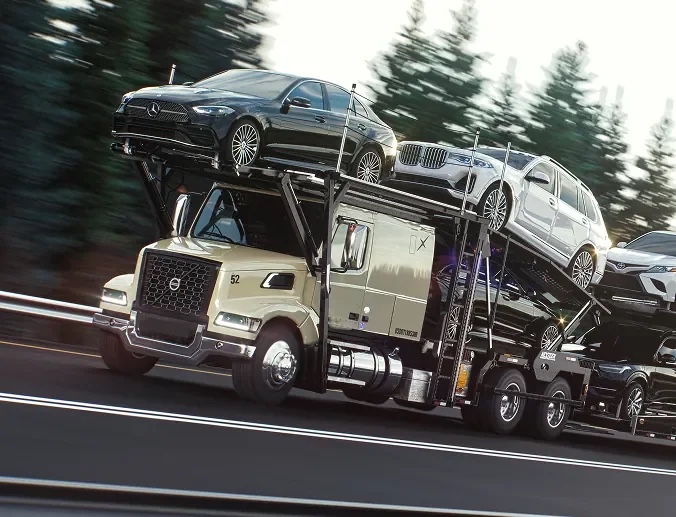
If you have ever watched an open car carrier roll down the highway, you have probably noticed that some cars ride high on the upper deck while others sit low, just above the road. When it is your car going on the truck, that difference suddenly matters. A lot of owners ask the same question when they book: can I request that my car goes on the top?
The short answer is yes, you can usually ask for a top-deck spot, often called a "top load" request. But it is a request, not a seat reservation. Where your car actually rides depends on its size and weight, the route, the order of pickups and deliveries and the type of trailer the carrier is running.
Here is how loading positions work on an open carrier, when a top-deck spot is worth asking for, what it might cost and when a different option makes more sense.
How Cars Are Positioned on an Open Carrier
A standard open car hauler carries up to 8 to 10 vehicles on two levels. Each deck has several positions, and hydraulic ramps let the driver raise, lower and tilt sections to fit cars of different shapes. The driver is not just stacking cars. They are solving a puzzle every time they load.
Several things decide where each car goes:
- Weight. Heavier vehicles usually go on the bottom deck to keep the center of gravity low and the axle weights legal. A full-size pickup or a large SUV is rarely placed up top.
- Height. The truck has to stay under legal height limits, usually around 13 feet 6 inches in most states. Tall vehicles often fit only in certain positions.
- Length and shape. Long cars, cars with low front lips and vehicles with roof racks or spoilers need specific spots where ramps can be angled safely.
- Delivery order. Cars that come off first need to be easy to unload. A car dropped off at the last stop can sit deeper in the load, while an early drop-off has to be reachable without moving everything else.
- Pickup order. The driver plans positions before the route starts, but each new pickup has to fit into the space that is left.
Because of all this, the position is usually decided by the driver and the dispatcher together, not by the customer. If you want to understand how a car gets matched to a truck in the first place, see how dispatchers match cars to carriers.
Why Some Owners Want the Top Deck
A top-deck spot is popular for a few practical reasons:
- No cars above yours. On the bottom deck, other vehicles sit directly over your car. If one of them has a small oil, coolant or brake fluid leak, drips can land on your paint or roof.
- Less road spray. Bottom positions sit closer to the pavement, so they pick up more dirt, water, salt and small debris kicked up by the truck and other traffic.
- Fewer close-quarter moves. Lower positions sometimes have tighter clearance between your roof and the deck above, which leaves less room for error during loading.
- Peace of mind. For a new car, a freshly restored vehicle or a car with a fresh paint job, many owners simply feel better knowing nothing is above it.
For an everyday car on a short route, the difference is small. Most cars ship on the bottom deck without any problem every day. But if your car is valuable, newly detailed or has delicate paint, asking for the top is a reasonable request.
The Top Deck Is Not Perfect Either
Before you insist on the upper level, it helps to know the trade-offs:
- More exposure to weather. A top-deck car takes the full force of rain, hail, sun and wind. It is shielded from drips, but not from the sky.
- Steeper ramp angles. Getting a car up top means driving it up a ramp and sometimes tilting it. Cars with very low ground clearance or long front overhangs can be harder to load up high.
- Not every car is allowed up there. Heavy or tall vehicles may simply not be placed on the upper deck for safety and legal reasons, no matter what the customer asks for.
If your car sits low, read shipping a lowered car? ground clearance can change your transport options before you book. In some cases a lowered car is actually safer on a specific bottom position or on a trailer with a liftgate.
Can You Guarantee a Top-Deck Spot?
Usually you can request one and have it written into your order, but a firm guarantee depends on the carrier. Here is what typically happens:
- You make the request at booking. Tell your transport company you want a top-load position. The request is passed to dispatch and noted on the order.
- Dispatch looks for a carrier who can do it. Some trucks already have most top positions planned for other cars on the route. The dispatcher looks for a driver who can fit your car up top.
- The driver confirms at pickup. Final placement happens when the car is loaded. If something changes, such as a heavier car being added or a delivery order shifting, the driver may need to adjust.
The more flexible you are on dates, the easier it is to find a carrier who can honor the request. A top-load request on a tight, last-minute pickup is harder to guarantee than one booked with a few days of flexibility.
Does a Top-Deck Spot Cost More?
Often, yes. Many carriers charge a modest top-load fee because the request limits how they can arrange the rest of the load. The amount varies by company, route and season, so ask for it to be listed clearly in your quote. If the fee is not on paper, do not assume it is included. Our guide on what a cheap car shipping quote might leave out covers other line items worth checking.
Keep the price difference in perspective. A top-load fee is usually much smaller than the jump to enclosed car shipping, which can cost noticeably more but protects the car from weather and road debris completely.
Top Load vs. Enclosed Transport: Which One Do You Need?
A top-deck spot is a middle ground. It keeps your car out from under other vehicles, but it is still open to the elements. Here is a simple way to decide:
- Standard open transport is fine for most daily drivers, used cars and leases. It is the most common and affordable option. See our open carrier car shipping service.
- A top-load request makes sense for newer cars, cars with fresh paint or a recent detail, or any car you would rather not have under other vehicles, when you still want open-transport pricing.
- Enclosed transport is the better call for classic cars, luxury and exotic cars, show cars and vehicles with very low clearance. If you are on the fence, read when enclosed car shipping is worth the extra cost.
Season matters too. If your car is crossing snowy, salted roads in winter, the top deck helps with spray from below, but an enclosed trailer protects it from everything.
How to Make a Top-Load Request the Right Way
- Ask when you book, not at pickup. By the time the truck arrives, the load plan is already set. Late requests are hard to honor.
- Get it in writing. Make sure the top-load request, and any fee, appears on your order or booking confirmation.
- Give accurate vehicle details. Year, make, model, any modifications, lift kits, lowered suspension, roof racks or oversized tires all affect where the car can go.
- Ask whether it is guaranteed or best effort. Some companies guarantee the spot, others promise to try. Know which one you are getting.
- Be flexible on dates if you can. A wider pickup window gives dispatch more trucks to choose from.
- Confirm with the driver at pickup. A quick, friendly question before loading helps avoid surprises.
Pickup timing is always a window rather than an exact hour, and top-load requests can narrow the pool of available trucks. Learn more in why pickup dates are windows, not exact times.
Protecting Your Car Wherever It Rides
Whether your car ends up on the top or the bottom deck, a few simple steps help protect it:
- Wash the car before pickup so you and the driver can see the paint clearly during inspection.
- Take dated photos of every side, the roof, the wheels and any existing scratches or chips.
- Review the inspection report carefully. The bill of lading records the car's condition at pickup and delivery.
- Remove loose exterior items such as bike racks, cargo boxes and removable antennas.
- Check the car at delivery before you sign, and note any new damage on the paperwork. If something did happen, see what happens if your car is damaged during transport.
For a complete prep list, read how to prepare your car for shipping.
Quick Checklist: Requesting a Top-Deck Spot
- Decide whether top load, standard open or enclosed transport fits your car and budget.
- Request the top-deck position when you book.
- Ask whether there is a fee and whether the spot is guaranteed or best effort.
- Share accurate size, weight and modification details.
- Keep your pickup dates as flexible as you can.
- Get the request written on your order.
- Confirm placement with the driver before loading.
- Inspect and photograph the car at pickup and delivery.
Ship Your Car With the Right Protection
Tiger Auto Transport ships cars across the country on open and enclosed carriers. Tell us at booking if you want a top-deck spot, and we will note it on your order and look for a carrier who can fit your car up top. If your car needs more protection than an open trailer can give, we can quote enclosed transport too. Get your free quote and tell us what matters most for your car.
FAQs
Can I request that my car is loaded on the top deck?
Yes. Most transport companies accept top-load requests. Make the request when you book so dispatch can find a carrier who can fit your car on the upper level.
Is a top-deck spot guaranteed?
It depends on the company. Some guarantee it, others treat it as a best-effort request. The final position is confirmed by the driver at pickup based on weight, height and delivery order.
How much does a top-load request cost?
Many carriers charge a modest extra fee. The amount varies by company, route and season, so ask for it to be listed in your quote.
Is the top deck safer than the bottom deck?
It avoids leaks from cars above and reduces road spray, but it is more exposed to weather. For most daily drivers, both positions are safe. For high-value cars, enclosed transport offers the most protection.
Can a pickup truck or large SUV go on the top deck?
Usually not. Heavy and tall vehicles are typically loaded on the bottom deck for weight balance and to keep the truck under legal height limits.
Should I choose top load or enclosed shipping?
Top load is a budget-friendly step up for newer cars or fresh paint. Enclosed shipping is the better choice for classic, luxury, exotic and show cars or any vehicle that must be fully protected from weather and debris.
Read also related blogs:

Ship or Sell Your Car Before Moving? Compare These 5 Costs
Moving to a new state and not sure whether to ship your car or sell it? Compare these five costs, from a rushed sale and sales tax to insurance and time without a car, before you decide.
Read more →
Chicago to Phoenix Car Shipping: What Snowbirds Should Know Before Booking
Heading from Chicago to Phoenix for the winter? Here is what snowbirds should know about the route, seasonal timing, Chicago pickups, Phoenix-area HOAs, cost, transit time and booking the spring trip home.
Read more →