




 855-720-5244
Shipping a Lowered Car? Ground Clearance Can Change Your Transport Options Car Shipping Tips
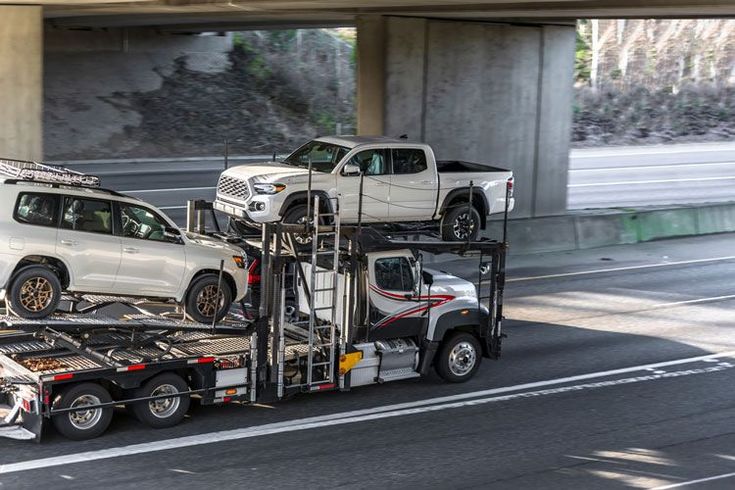
If you own a lowered car, you already know the routine: approach driveways at an angle, take speed bumps at a crawl and wince at every steep parking ramp. Now picture that car going up a pair of steel ramps onto a car carrier. That is exactly the moment lowered cars run into trouble in auto transport.
Low ground clearance does not mean your car cannot be shipped. It does mean that not every truck, every ramp or every driver is a good fit for it. Lowered cars, sports cars with front splitters and bagged cars on air suspension often need different equipment, more loading time and a carrier who knows what they are doing.
Here is how ground clearance affects your transport options, what the right equipment looks like, how to measure and prepare your car and what to tell the transport company before you book.
Why Ground Clearance Matters in Auto Transport
Most car carriers load vehicles by driving them up ramps onto the trailer. The angle of those ramps, the transition from ramp to deck and the gaps between deck sections are designed for everyday cars and SUVs. A car with only a few inches of clearance can hit any of these points:
- The front lip or splitter hits the ramp as the front wheels start to climb.
- The underside or side skirts catch on the top of the ramp where it meets the deck, sometimes called "high-centering."
- The exhaust or rear diffuser scrapes as the rear wheels leave the ground.
- Tie-down points are harder to reach on cars with very low body kits.
The same problem can happen before the car even reaches the truck. A steep driveway, a curb or a gutter at the pickup address can be just as hard on a low front end as the ramps.
Is Your Car "Low" for Shipping Purposes?
There is no single industry cutoff, but as a rough guide, many everyday sedans sit around 5–6 inches or more off the ground, and many SUVs and trucks sit much higher. Cars become a concern for standard loading when the lowest point sits roughly 4 inches or less from the ground, and that point is often the front lip, not the frame.
Vehicles that often need special attention include:
- Cars lowered on coilovers or lowering springs
- Bagged cars on air suspension, especially if the system is not working
- Sports cars and supercars with front splitters, side skirts or rear diffusers
- Track and race cars set up for low ride height
- Classic and custom cars with aftermarket suspension or low-hanging exhausts
Even a stock sports car can be low enough to need extra care. If you are not sure, measure.
How to Measure Your Car's Ground Clearance
Give the transport company real numbers, not "it's a little low." Park on a flat, level surface with normal tire pressure and measure from the ground to:
- The bottom of the front lip, bumper or splitter
- The lowest point under the middle of the car, such as side skirts or the frame
- The lowest point at the rear, such as the exhaust or diffuser
Also note how far the front bumper extends past the front wheels. A long front overhang hits ramps sooner, even at the same height. Take photos of the tape measure at each point and send them with your quote request.
Transport Options for Lowered Cars
Enclosed carrier with a liftgate
Many enclosed carriers use a hydraulic liftgate instead of ramps. The car drives onto a flat platform at ground level, and the platform lifts it straight up to the deck. There is no ramp angle to clear, which makes a liftgate the gentlest way to load a very low car. Enclosed transport also protects expensive paint, wraps and aero parts from road debris. Read When Enclosed Car Shipping Is Worth the Extra Cost.
Carriers with low-angle or extended ramps
Some carriers, both open and enclosed, carry longer or low-profile ramps that reduce the loading angle. Wooden blocks or ramp extensions are also used to ease the transition at the top of the ramp. This can work well for moderately lowered cars, but it has to be planned. Not every truck carries this equipment.
Open carrier, carefully matched
A mildly lowered daily driver can often ship on an open carrier at a lower price, as long as the dispatcher matches it with a driver who has the right ramps and the experience to load it. The position on the trailer matters too, since some spots are easier to reach than others.
Single-car or flatbed transport
For short distances or special cases, a single-car trailer or a tilting flatbed may be an option. It is typically more expensive per mile but gives more control over how the car is loaded.
For high-value lowered cars, our luxury and exotic car shipping and classic car shipping services are designed around this kind of careful handling.
How Low Clearance Affects Price and Timing
A lowered car can cost more to ship and may take longer to schedule. That is not a penalty. It reflects real limits:
- Fewer trucks qualify. Only carriers with liftgates or suitable ramps can take the car, so there are fewer options on any given route.
- Loading takes longer. Careful loading with extra blocks or a liftgate adds time at pickup and delivery.
- Enclosed transport costs more. If a liftgate is required, the shipment usually moves to an enclosed trailer.
Booking early and allowing a flexible pickup window helps. See How Far in Advance Should You Book Car Shipping? For more on why some cars cost more, read Why Some Vehicles Are Harder to Ship Than Others.
How to Prepare a Lowered Car for Transport
- Raise the car if you can. If your suspension is adjustable, set it to the highest ride height for transport.
- For air suspension, leave clear instructions. Show the driver how to raise and lower the car, and make sure the system works. If it fails, the car may sit on its lowest setting. Keep the battery charged so the system does not lose power during transport.
- Remove what you can. Detachable front splitters, canards, lip extensions and low-hanging accessories can often come off before pickup.
- Disclose every modification. Aftermarket suspension, body kits, wide wheels, big brakes and exhaust changes all affect how the car is loaded and strapped.
- Point out tie-down points. If your car has specific tow hooks or recommended strap points, tell the driver. Wheel straps that secure the tires rather than the frame are often the safer choice for lowered cars.
- Photograph the underside. Along with the usual dated photos of every panel, take pictures of the front lip, skirts and exhaust so existing scuffs are documented.
- Follow the standard checklist. Clean the car, leave about a quarter tank and remove personal items and toll tags. Our preparation guide covers the details.
Plan the Pickup and Delivery Spots
A full-size car carrier is about 75–80 feet long and cannot reach every address. For a low car, the spot matters even more. Look for:
- A flat, level surface with no steep driveway, curb or gutter to cross
- Enough room for the truck to park and lower its ramps or liftgate
- A location away from heavy traffic, so loading is not rushed
A large, flat parking lot is often better than a sloped residential driveway. Our door-to-door service gets as close as is safe, and we can help you choose a better meeting point. See Why Some ZIP Codes Are Harder to Ship Cars To.
What to Tell the Transport Company Before Booking
- Your measured ground clearance at the front, middle and rear
- That the car is lowered, bagged or has aero parts, and what kind
- Whether the ride height can be raised, and how
- Any modifications that affect loading or tie-downs
- Whether you need or prefer a liftgate
- The surface and access at pickup and delivery
Then ask the company to confirm that the assigned carrier has a liftgate or suitable ramps. A low quote that sends a standard truck with steep ramps can end with a refused pickup, a delay or a damaged splitter. Read 5 Things a Cheap Car Shipping Quote Might Leave Out.
At Pickup and Delivery
Be there for loading if you can. Watch how the car goes onto the truck, confirm the driver is using the agreed equipment and do not be shy about pointing out a low spot. Check the condition report on the bill of lading carefully, including the underside.
At delivery, inspect the front lip, skirts and exhaust before signing, and note any new scrapes on the bill of lading. Our checklist, Your Car Just Arrived: 7 Things to Check Before Signing, walks through the rest.
Quick Checklist: Shipping a Lowered Car
- Measure clearance at the front, middle and rear, and take photos
- Tell the transport company about lowering, air suspension and aero parts
- Ask for a carrier with a liftgate or low-angle ramps
- Consider enclosed transport for very low or high-value cars
- Raise adjustable suspension and leave air-ride instructions
- Remove detachable splitters and low accessories
- Choose flat, open pickup and delivery spots
- Book early and allow a flexible pickup window
Ship Your Lowered Car With Confidence
Tiger Auto Transport matches lowered, bagged and low-clearance cars with carriers that have the right equipment, including enclosed trailers with hydraulic liftgates. Our licensed, insured carriers handle sports cars, custom builds and exotics nationwide. Tell us your measurements and we will find the right truck. Get your free quote today.
FAQs
Can you ship a lowered car?
Yes. Lowered cars ship regularly, but they often need a carrier with a liftgate or low-angle ramps. Tell the transport company your ground clearance before booking so they can assign the right truck.
How low is too low for a standard car carrier?
There is no exact cutoff, but cars with roughly 4 inches of clearance or less at the lowest point, often the front lip, usually need special loading equipment. Long front overhangs make loading harder too.
Do I need enclosed transport for a lowered car?
Not always. A mildly lowered car may ship on an open carrier with suitable ramps. Very low cars often go enclosed because many enclosed trailers use hydraulic liftgates.
Does shipping a lowered car cost more?
Often, yes. Fewer trucks can take it, loading takes longer and enclosed transport costs more. Booking early and staying flexible helps keep the price down.
What if my car has air suspension?
Raise it to the highest setting for loading, keep the battery charged and leave clear instructions for the driver. Make sure the system works before pickup.
Should I remove my front splitter before shipping?
If it is detachable, removing it lowers the risk of damage during loading. If it is fixed, tell the transport company its height so they can plan accordingly.
Read also related blogs:

Seattle to Dallas Car Shipping: What Affects Your Price and Pickup Date?
Shipping a car from Seattle to Dallas? Here is what drives the price and the pickup date on this 2,100-mile route, from mountain passes and ferries to seasonal demand, plus what to do when the car arrives in Texas.
Read more →
Ship or Sell Your Car Before Moving? Compare These 5 Costs
Moving to a new state and not sure whether to ship your car or sell it? Compare these five costs, from a rushed sale and sales tax to insurance and time without a car, before you decide.
Read more →