





 855-720-5244
Why Some Car Shipping Routes Cost More Than Others Car Shipping Guides

If you’ve ever compared car shipping quotes for different routes, you may have noticed something confusing: some routes are consistently affordable, while others cost significantly more—even when the distance is similar.
This isn’t random. Car shipping prices are heavily influenced by route-specific logistics, not just mileage. In this article, we’ll explain why some car shipping routes cost more than others and what factors have the biggest impact on pricing.
Distance Is Only One Part: High-Demand vs Low-Demand Routes
It’s easy to assume longer routes always cost more. In reality, distance is just one factor. A shorter route can cost more if demand is low, carrier availability is limited, or return loads are hard to find. Meanwhile, long, popular routes may be cheaper due to high traffic and efficiency.
Routes with consistent demand—like California ↔ Texas, Florida ↔ New York, or Arizona ↔ Midwest—are more attractive to carriers. On these routes, carriers can fill trailers easily, minimize empty miles, and predict schedules accurately. This efficiency leads to lower costs and faster transit times. Routes that involve rural areas, remote ZIP codes, or one-way traffic are harder to service. Carriers may need to drive extra miles without a load, wait longer to fill trailers, and adjust routes inefficiently. These added costs are passed on through higher shipping prices.
Understanding How Auto Transport Routes Are Planned helps explain why demand matters more than distance.
Seasonal Imbalances and Location Accessibility
Seasonality plays a major role in route pricing. During snowbird season, southbound routes become more expensive in fall and northbound routes rise in spring. Summer relocations also increase demand on popular corridors, raising prices across the board. This ties closely to How Gas Prices and Seasonality Affect Car Shipping Costs.
Location accessibility directly impacts route cost. Routes involving narrow streets, restricted areas, or difficult loading zones require more time and planning. With Door To Door Car Shipping, carriers must factor in how easily they can access pickup and delivery locations, which can increase pricing on certain routes.
Vehicle Type and Carrier Preferences
Larger or heavier vehicles take up more trailer space, reduce total capacity, and limit route flexibility. On tight or low-demand routes, vehicle size can amplify cost differences even further.
Carriers often specialize in specific regions or lanes. Routes outside a carrier’s preferred lanes may require higher pay, be accepted less frequently, and take longer to schedule. This specialization affects which routes are cheaper and more reliable.
What This Means for Your Quote
If your route costs more than expected, it usually means demand is low, carrier availability is limited, or seasonal factors are at play. A higher price often reflects the true cost of moving a vehicle on that route—not an arbitrary markup.
Final Thoughts
Some car shipping routes cost more because they’re harder to service—not because companies are overcharging. Understanding how routes, demand, seasonality, and logistics interact helps you set realistic expectations and choose smarter options when shipping your car.
FAQs
Are longer routes always more expensive?
No. High-demand long routes can be cheaper than short, low-demand ones.
Why do rural routes cost more?
They offer fewer pickup opportunities and more empty miles for carriers.
Do seasons affect route pricing?
Yes. Seasonal demand can raise or lower prices on specific routes.
Can I lower the cost of an expensive route?
Flexibility with timing and location can help.
Does door-to-door shipping affect route costs?
Yes. Limited access locations can increase pricing.
Read also related blogs:
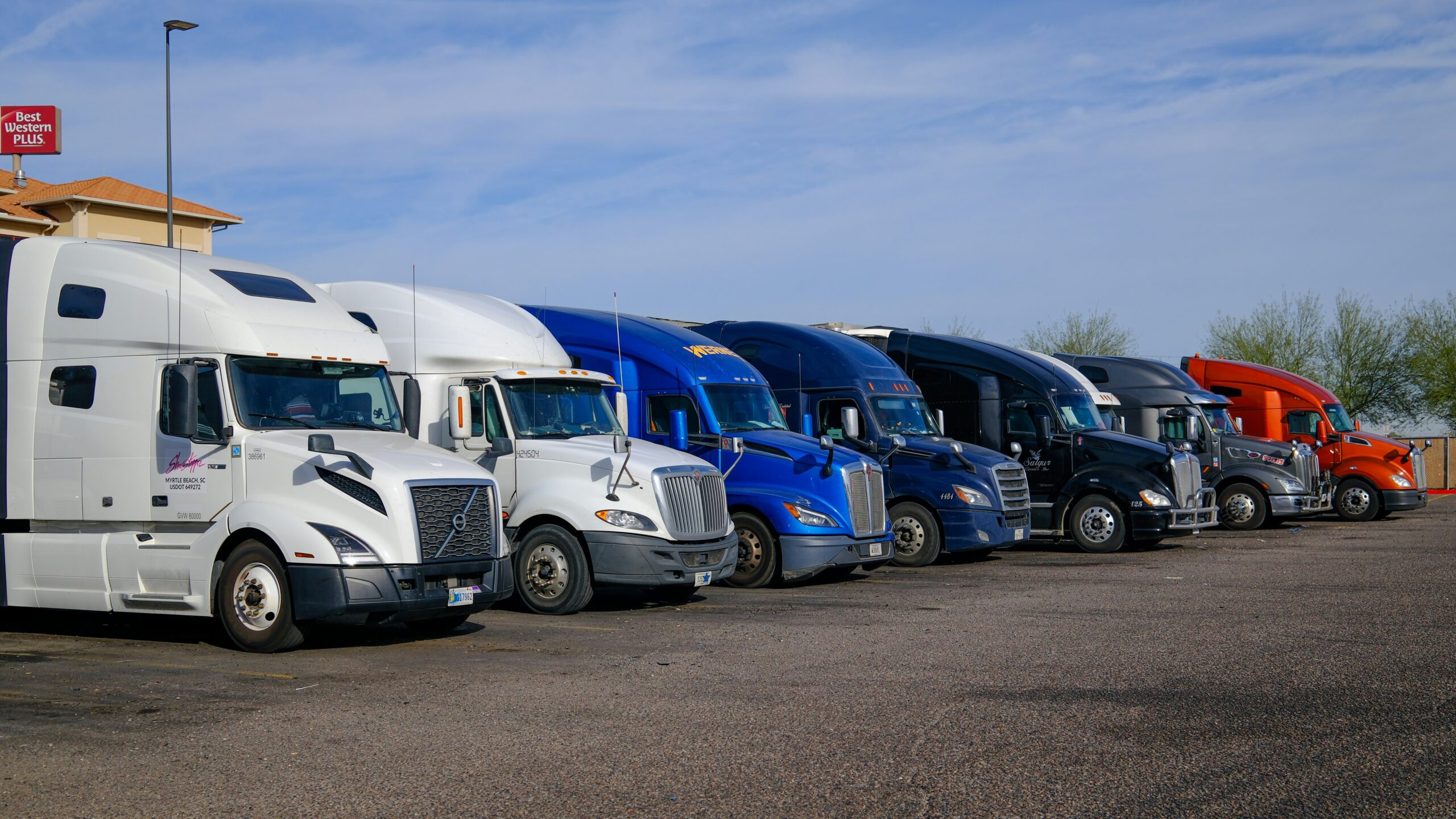
California to Texas Car Shipping: 5 Things to Know Before You Book
California to Texas is one of the busiest moving routes in the country. Here are five things to know about cities, timing, desert heat, transport type and Texas registration before you book your car shipment.
Read more →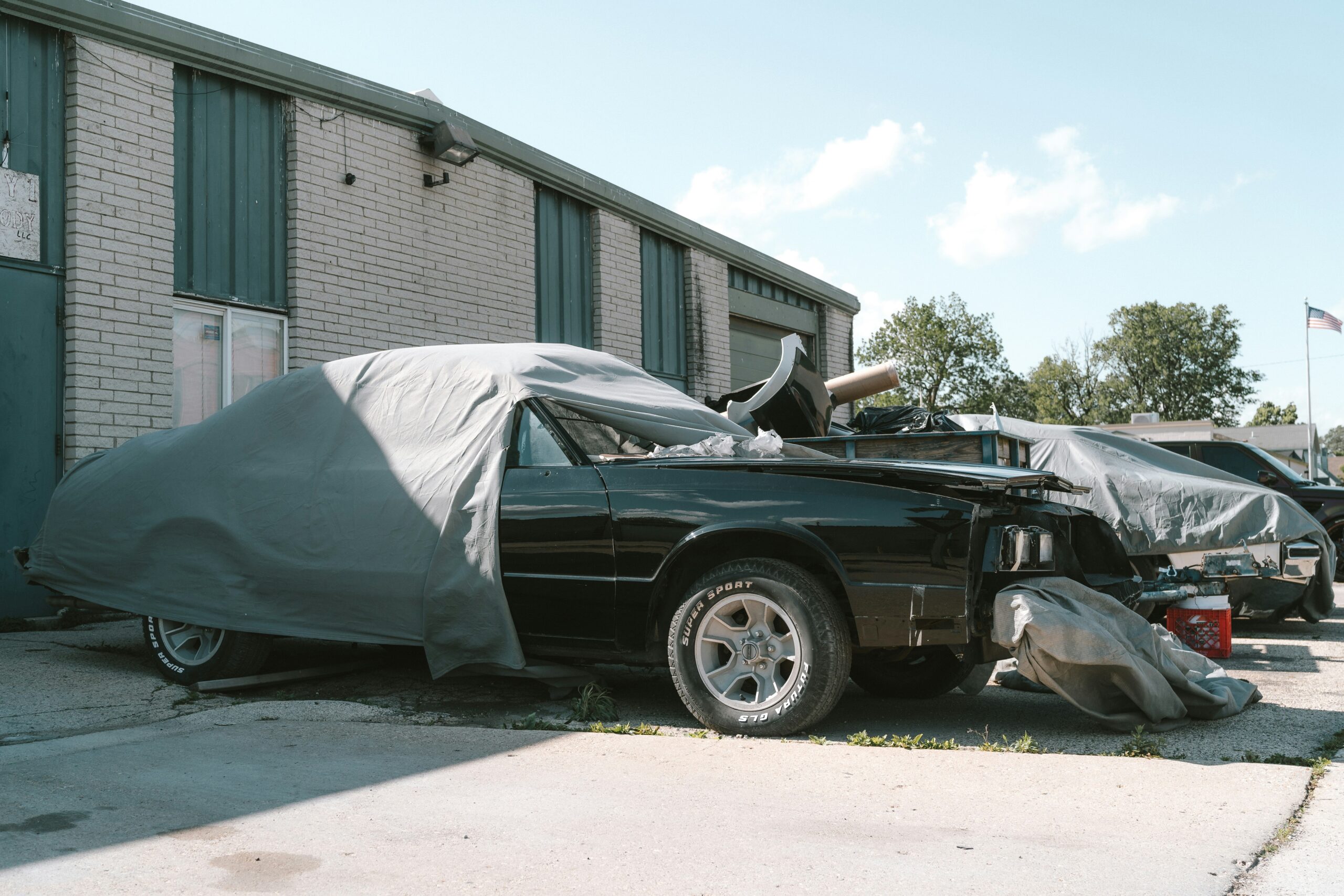
5 Things to Know About Auction Car Shipping Before You Place a Bid
Storage fees, yard rules, vehicle condition and hidden costs can turn an auction deal sour. Here are five things to know about auction car shipping before you place a bid.
Read more →