





 855-720-5244
Why Some Car Shipments Get Priority Over Others Auto Logistics
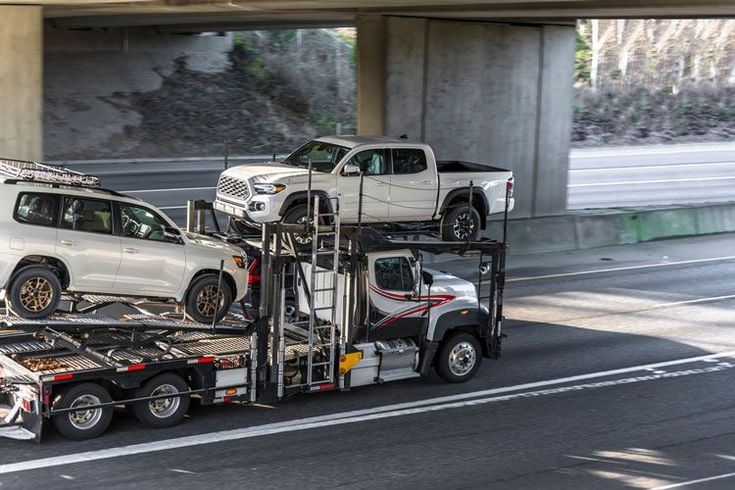
One of the most frustrating moments in auto transport is watching another vehicle get picked up while yours is still waiting. Even more confusing is when that other shipment was booked later or doesn’t seem especially urgent.
This often creates the impression that the process is random or unfair. In reality, shipment priority in auto transport follows structured logistical logic. It is shaped by route efficiency, capacity limits, market conditions, and dispatcher decision-making—not by booking order or personal urgency.
Understanding how priority actually works removes uncertainty and helps customers make smarter decisions that improve pickup speed.
How Efficiency and Route Alignment Drive Priority
Auto transport cannot function on a chronological basis. Unlike parcel shipping, vehicles are moved on multi-car trailers where each position must make sense within a larger route. Carriers plan shipments to maximize trailer utilization, minimize empty miles, and stay within legal driving and rest limits. A shipment booked earlier may still wait if it disrupts efficiency, while a later shipment that fits cleanly into an existing route can move immediately. Priority flows toward efficiency, not booking time.
Route alignment is the foundation of shipment priority. Shipments move faster when they sit close to major highways, align with common origin–destination corridors, and are located in regions with consistent two-way demand. Even small deviations—rural locations, dead-end routes, or low-demand ZIP codes—can lower priority. Geographic demand balance matters as well. Areas with strong outbound traffic but limited inbound demand often experience lower priority because carriers struggle to find return loads.
Timing Flexibility, Pricing, and Seasonal Conditions
Pickup windows are not a courtesy—they are a logistical requirement. Wide pickup windows allow dispatchers to fit shipments into multiple route options, absorb delays from earlier stops, and avoid rescheduling entire loads. Exact-date or narrow windows significantly reduce scheduling freedom. Unless pricing compensates for the added risk, such shipments often lose priority.
Pricing does far more than determine cost—it signals feasibility. A realistic rate tells carriers that route difficulty is acknowledged, extra miles or delays are compensated, and the shipment is worth integrating into a load. Underpriced shipments don’t move slowly because they’re ignored—they move slowly because carriers decline them. Seasonality compounds this effect: during peak periods, capacity tightens and dispatchers naturally focus on shipments that offer maximum flexibility and efficiency.
Vehicle Characteristics and Dispatcher Judgment
Not all vehicles are equal from a carrier’s perspective. Higher-priority shipments usually involve running vehicles, standard sedans and SUVs, and unmodified dimensions. Lower priority often applies to vehicles that don’t run, require winches or lift gates, are oversized or heavily modified, or need enclosed transport. These vehicles reduce carrier options and increase loading complexity, limiting scheduling flexibility.
Dispatchers don’t simply assign the first available carrier. They weigh carrier reliability and past performance, familiarity with specific routes or regions, and risk tolerance for certain vehicle types. Over time, carriers develop preferences, and dispatchers learn which shipments fit those patterns best. Vehicles that align with trusted carrier behavior often move faster—even at similar prices. Dispatching is part data, part experience.
How Customers Can Actively Improve Shipment Priority
While not every factor is controllable, customers have more influence than they realize. Priority improves when customers book early, offer flexible pickup windows, provide accurate vehicle details, choose accessible pickup locations, and respond quickly to communication. Small adjustments often unlock carrier interest and significantly accelerate pickup.
Final Thoughts
Shipment priority in auto transport is driven by logistics, not luck or favoritism. Route alignment, timing flexibility, pricing realism, vehicle characteristics, equipment availability, and market conditions all interact to determine which shipments move first. Once these forces are understood, the process becomes far more predictable—and far less frustrating. Flexibility, preparation, and realistic expectations remain the strongest tools customers have to gain priority.
FAQs
Why did another car get picked up before mine?
Because it likely fit a carrier’s route more efficiently.
Does paying more guarantee priority?
It increases carrier interest but doesn’t guarantee exact timing.
Are flexible pickup windows important?
Yes. They significantly improve scheduling options.
Do non-running vehicles get lower priority?
Often yes, due to limited equipment availability.
Can I request priority shipping?
Yes, but it usually requires higher pricing and flexibility.
Read also related blogs:
California to Texas Car Shipping: 5 Things to Know Before You Book
California to Texas is one of the busiest moving routes in the country. Here are five things to know about cities, timing, desert heat, transport type and Texas registration before you book your car shipment.
Read more →
5 Things to Know About Auction Car Shipping Before You Place a Bid
Storage fees, yard rules, vehicle condition and hidden costs can turn an auction deal sour. Here are five things to know about auction car shipping before you place a bid.
Read more →