





 855-720-5244
One-Way Moves: Why Car Shipping Makes Sense Car Shipping Guides

One-way moves are becoming more common than ever.
Whether it’s a job relocation, a permanent lifestyle change, a college move, or a long-term transition, more people are packing up and moving without planning a return trip.
And when a move is truly one-way, the question of what to do with your car becomes especially important.
Driving it yourself may seem like the default option—but in many one-way moves, car shipping simply makes more sense.
This article explains why auto transport is often the smarter, safer, and more efficient choice for one-way moves, and when it’s worth considering over driving.
What Makes One-Way Moves Different and the Hidden Costs of Driving
A one-way move usually involves no return timeline, long distances, tight schedules, and multiple logistics happening at once. Unlike temporary relocations, one-way moves are about starting fresh, not planning a round trip. That changes how you should think about transportation.
Driving your car across the country looks cheaper on paper—but the real costs add up quickly: fuel and tolls, hotels and meals, time off work, vehicle wear and tear, unexpected repairs, and physical fatigue. When you calculate everything together, driving is often more expensive than expected, especially for moves over 800–1,000 miles.
Time Pressure, Long Distances, and Wear and Tear
One-way moves usually come with deadlines: lease start dates, job start dates, school schedules, and housing availability. Driving takes days—and sometimes weeks if delays occur. Shipping your car allows you to fly or travel directly, arrive rested, focus on settling in, and avoid unpredictable road delays.
Most one-way moves are not local—they often involve cross-country relocations, East Coast to West Coast moves, or northern-to-southern transitions. Long distances increase driving fatigue, mechanical risk, and exposure to weather and traffic. Every mile driven also reduces the value and lifespan of your car, adding thousands of miles, tire wear, engine strain, and higher maintenance costs. Shipping preserves your vehicle’s condition—especially important for newer cars, leased vehicles, or vehicles you plan to keep long-term.
Safety, Multiple Vehicles, and Alternatives to Driving
Long-distance driving increases risk through accidents, weather hazards, breakdowns in unfamiliar areas, and driving fatigue. Shipping your car transfers these risks to professional drivers who follow regulated driving limits, carry cargo insurance, and are experienced with long-haul routes.
Many households own more than one car. Driving multiple vehicles one-way requires coordinating multiple drivers, paying for return flights, and splitting travel logistics. Shipping one or more vehicles simplifies the process and keeps the move manageable. One-way vehicle rentals are often pricey, have limited availability, and still require you to do the driving—car shipping eliminates these issues entirely.
When Driving Still Makes Sense and How to Plan Shipping
Driving may be reasonable if the distance is short, you enjoy road trips, time is flexible, or the car needs to be driven anyway. For most long-distance one-way moves, shipping remains the more practical option.
Best practices include booking 2–4 weeks in advance, being flexible with pickup windows, preparing the vehicle properly, and planning arrival without relying on same-day delivery. Common mistakes to avoid: booking shipping too late, choosing the cheapest quote, expecting exact pickup times, and underestimating travel fatigue.
The Emotional Side and Door-to-Door Convenience
One-way moves are often tied to major life changes—new careers, new cities, new chapters. Reducing logistical stress like long drives helps make the transition smoother and more positive. With door-to-door shipping, your car is picked up near your old address and delivered near your new location—no terminals or extra driving required. This reduces coordination during an already busy transition.
Final Thoughts
One-way moves are fundamentally different from temporary relocations, and they require smarter planning.
Driving may feel familiar, but for long-distance, one-way moves, car shipping often saves time, reduces stress, protects your vehicle, and simplifies logistics.
When you’re focused on building a new life in a new place, letting professionals handle your car is often the best decision.
FAQs
Is car shipping worth it for a one-way move?
Yes, especially for long-distance relocations.
Is shipping cheaper than driving one-way?
Often yes, once time, fuel, lodging, and wear are considered.
Can my car arrive after I do?
Yes. Many people plan for delivery a few days later.
Is door-to-door shipping available for one-way moves?
Yes. It’s the most common option.
How far in advance should I book?
Ideally 2–4 weeks before your move.
Read also related blogs:
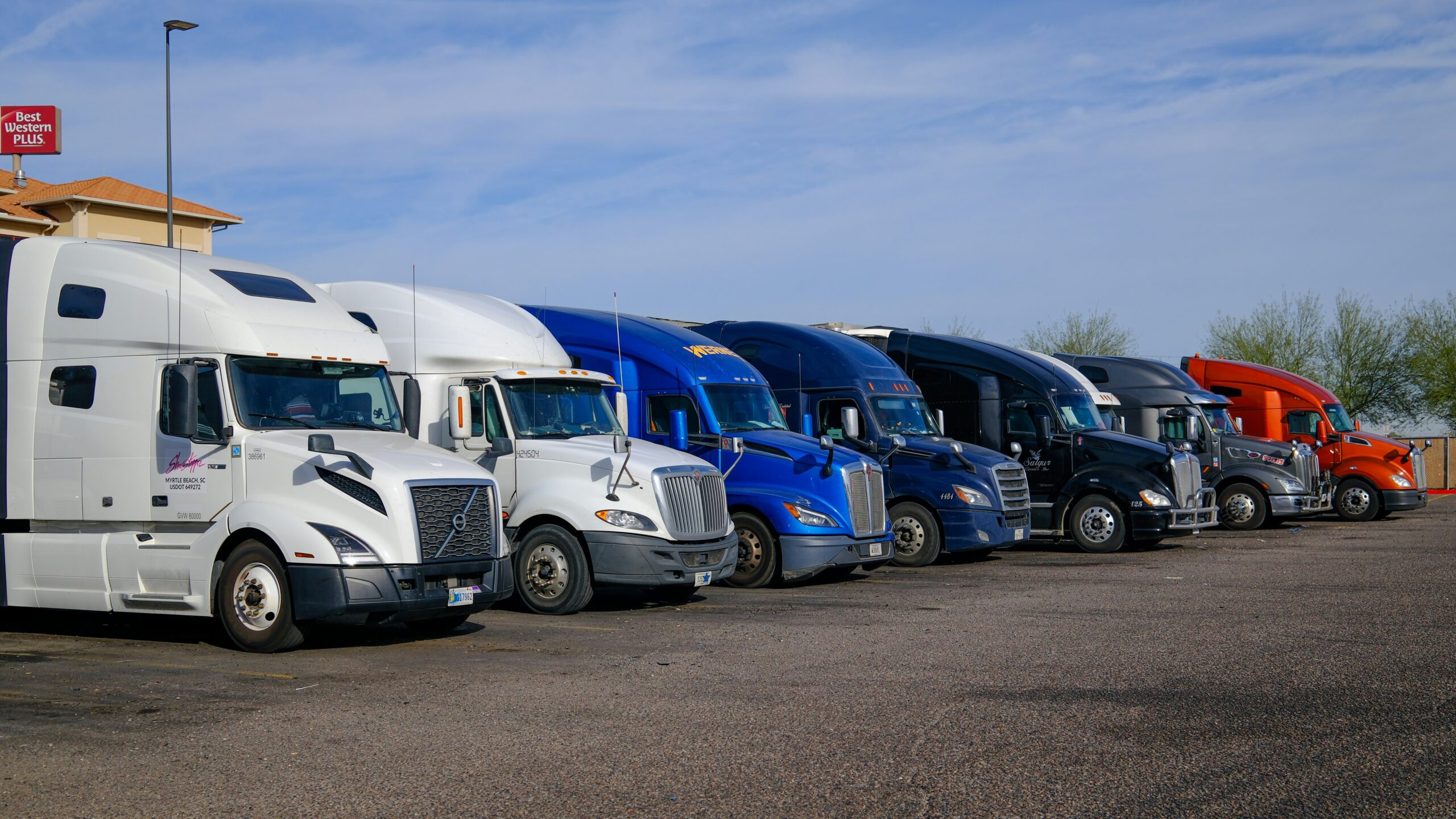
California to Texas Car Shipping: 5 Things to Know Before You Book
California to Texas is one of the busiest moving routes in the country. Here are five things to know about cities, timing, desert heat, transport type and Texas registration before you book your car shipment.
Read more →
5 Things to Know About Auction Car Shipping Before You Place a Bid
Storage fees, yard rules, vehicle condition and hidden costs can turn an auction deal sour. Here are five things to know about auction car shipping before you place a bid.
Read more →